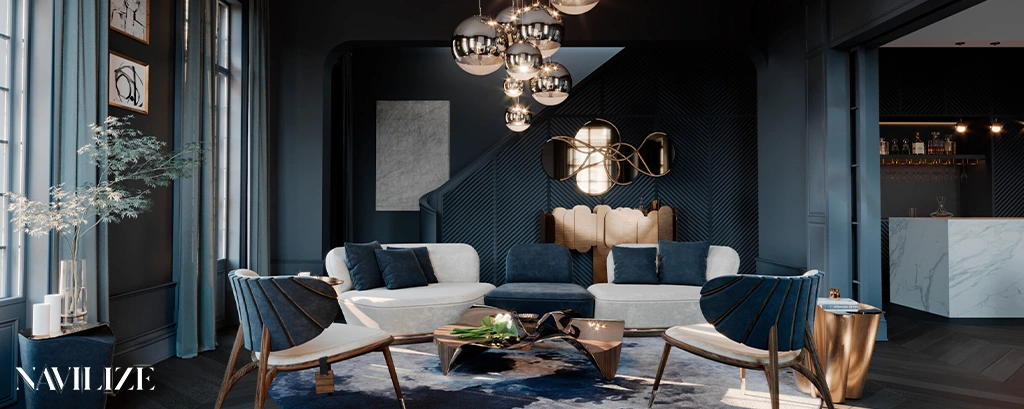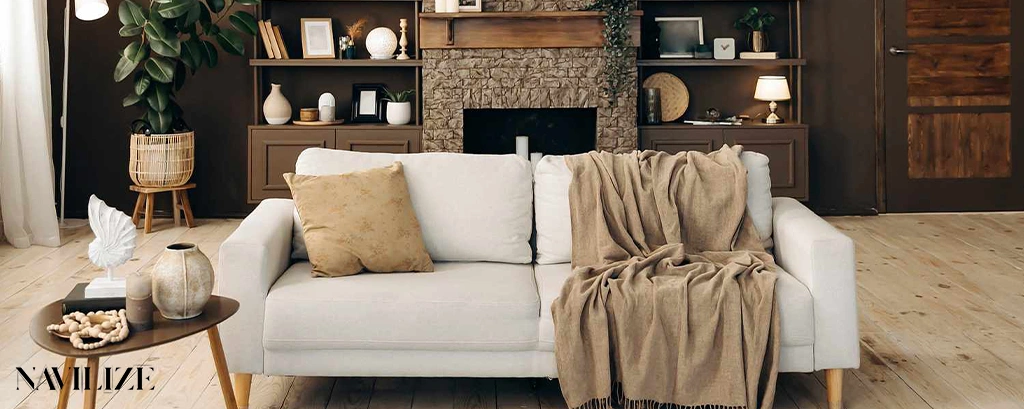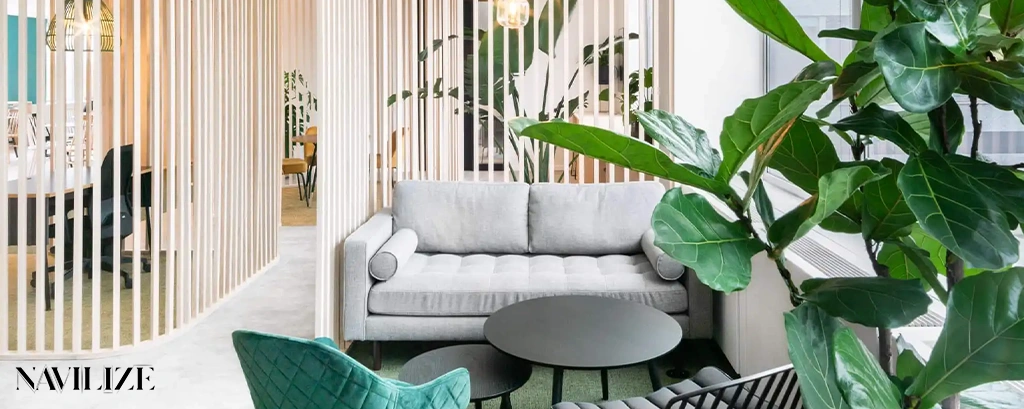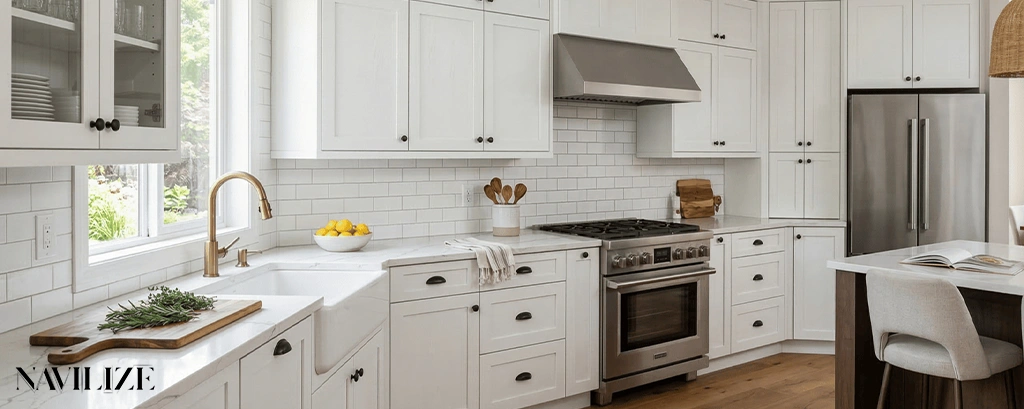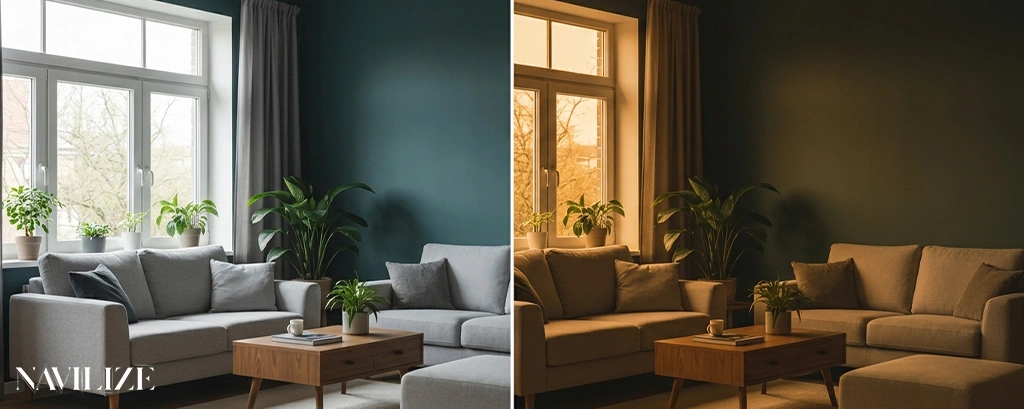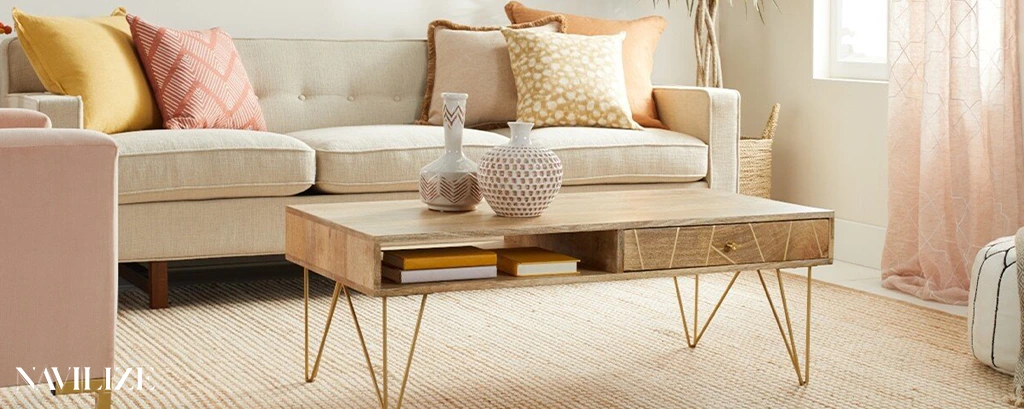
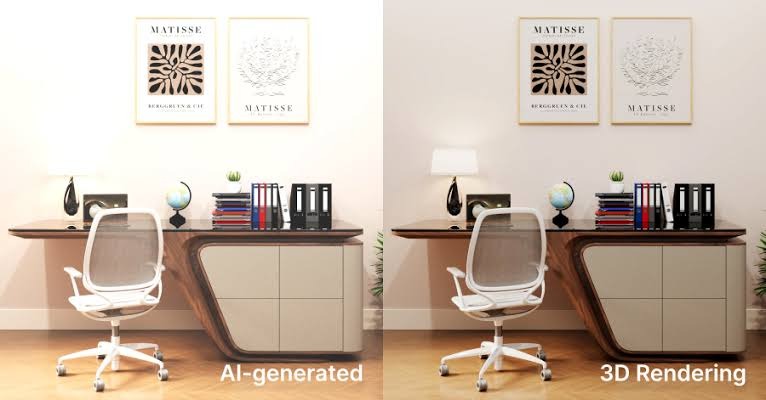
In 2026, AI and 3D rendering are fundamentally reshaping interior design workflows and creativity. Designers now use AI to generate layout options, color palettes, and material combinations in seconds, based on user preferences and spatial data. Advanced 3D rendering enables real time visualization with near photorealistic quality, allowing clients to experience spaces before execution. These technologies reduce design errors, accelerate decision making, and lower overall costs. AI interior design trends 2026 emphasize personalization, sustainability assessment, and smart space optimization. As a result, designers move away from repetitive manual tasks and focus more on concept development, storytelling, and strategic design decisions.
Why AI and 3D Rendering Matter in Interior Design
AI and 3D rendering play a crucial role in modern interior design by improving accuracy, speed, and communication. With AI interior design tools, designers can analyze space usage, user preferences, and functional needs to create smarter layouts in less time. High quality 3D rendering helps clients visualize materials, lighting, and proportions before execution, reducing costly revisions. These technologies also support sustainable choices and data driven decisions. Platforms like Navilize use these tools to deliver efficient and creative solutions. Learn more about professional services on the dedicated interior design page.
The Shift from Manual to Intelligent Visualization
The interior design industry is rapidly moving from manual drafting to intelligent, technology driven visualization. Traditional sketches and static plans are being replaced by smart systems that adapt in real time. With 3D rendering interior design, designers can instantly test lighting, materials, and spatial layouts with high accuracy. Intelligent visualization reduces miscommunication, shortens project timelines, and improves client confidence. Instead of imagining the final result, clients can experience it visually before execution. This shift allows designers to focus less on repetitive technical work and more on creativity, storytelling, and user centered design decisions that add real value to projects.
AI Tools Transforming Interior Design
AI is becoming a core driver of innovation in interior design workflows. Modern tools analyze user behavior, space constraints, and design preferences to generate optimized layouts automatically. Through AI 3D visualization trends, designers can produce multiple concepts in minutes, compare alternatives, and refine details with data driven insights. These tools also enhance realism in rendering, predicting lighting behavior and material performance more accurately. As AI tools evolve, they support faster collaboration, reduce design errors, and enable deeper personalization. The result is a smarter design process where technology amplifies creativity rather than replacing the designer’s vision.
Generative Design Platforms
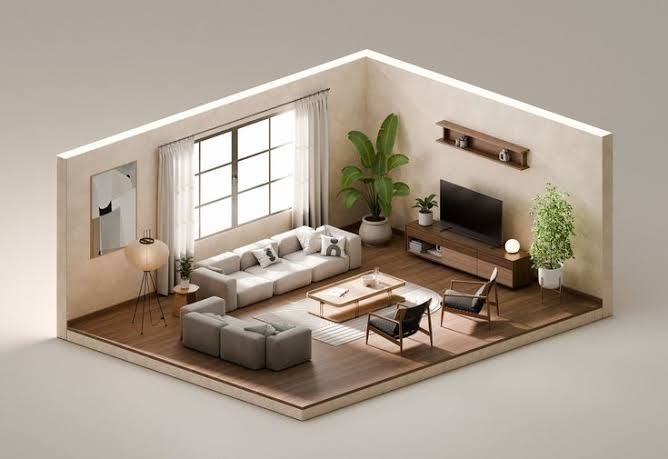
Generative design platforms are redefining the future of interior design by allowing designers to explore thousands of layout options automatically. These platforms use AI algorithms to test spatial efficiency, circulation, lighting, and functional constraints in seconds. Designers set goals and parameters, and the system proposes optimized solutions that would take days manually. When combined with AR/VR in interior experiences, clients can walk through multiple design alternatives and compare them intuitively. This approach reduces trial and error, supports sustainable decisions, and empowers designers to focus on concept refinement and emotional impact rather than repetitive technical exploration.
AI-Driven Material & Texture Libraries
AI-driven material and texture libraries are transforming how finishes are selected and visualized. Instead of browsing static catalogs, designers receive intelligent suggestions based on lighting conditions, user preferences, and project context. These systems predict how materials age, reflect light, and interact with surrounding colors, which directly supports the future of interior design. Integrated with AR/VR in interior tools, clients can see realistic surfaces at scale and in motion before approval. This reduces costly changes, improves confidence, and allows designers to balance aesthetics, durability, and sustainability with far greater precision.
Predictive Design Based on Client Data
Predictive design uses client data to anticipate needs before they are explicitly stated. By analyzing lifestyle patterns, budget behavior, and aesthetic preferences, AI proposes tailored interior solutions that evolve with the user. This data driven approach represents a major step in the future of interior design, shifting projects from reactive to proactive. When paired with AR/VR in interior visualization, clients can experience how a space adapts to daily routines or future changes. Predictive design increases satisfaction, minimizes redesign cycles, and helps designers deliver spaces that feel personal, functional, and future ready.
How 3D Rendering Enhances Client Experience
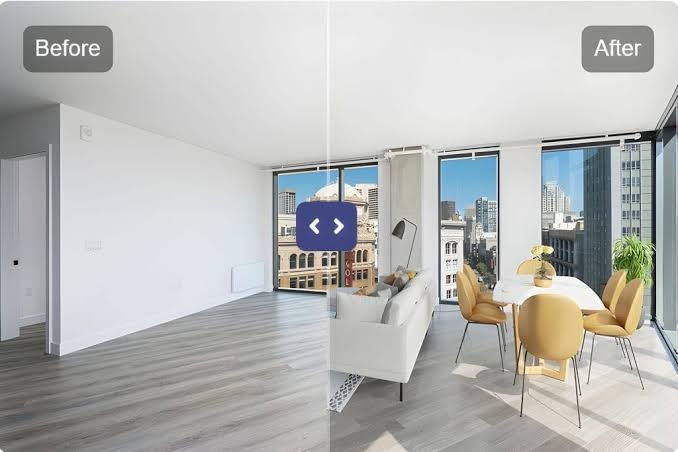
3D rendering significantly improves the client experience by turning abstract ideas into clear, realistic visuals. Instead of relying on floor plans or verbal explanations, clients can see materials, lighting, and spatial proportions before any work begins. This reduces uncertainty and builds trust in design decisions. Realistic renders also make feedback easier, helping clients express preferences with confidence. By using advanced visualization, design teams minimize revisions and speed up approvals. Professional studios like those offering interior design services use 3D rendering to create transparency, align expectations, and deliver a smoother, more engaging design journey from concept to execution.
Realistic Visuals Before Construction
Realistic visuals before construction have transformed how clients understand interior projects. High quality 3D renders show exact proportions, lighting behavior, textures, and color interactions long before execution begins. This clarity reduces misunderstandings and unrealistic expectations. Clients feel more confident approving designs when they can clearly see the final outcome. In line with AI interior design trends 2026, these visuals are no longer static images but adaptive models that update instantly with design changes. This approach minimizes revisions during construction and creates a smoother collaboration between designers, contractors, and clients from the earliest project stages.
VR & AR Walkthroughs
VR and AR walkthroughs take visualization beyond static renders by allowing clients to experience spaces immersively. Clients can virtually walk through rooms, evaluate scale, and sense spatial flow before construction starts. This experience helps identify design issues that might be missed in drawings or images. Designers benefit from more precise feedback, while clients gain confidence in their decisions. VR and AR also improve communication with non technical clients, making design more accessible. As immersive tools mature, they become an essential part of client centered interior design workflows.
What This Means for San Diego Designers and Clients
Faster Decision Making
For San Diego designers and clients, intelligent visualization leads to faster and more informed decision making. Clear visuals and data driven insights reduce back and forth discussions and shorten approval cycles. Clients no longer need to imagine outcomes, which eliminates hesitation. According to AI interior design trends 2026, faster decisions are a direct result of predictive tools and real time design updates. Designers can present multiple options quickly, compare scenarios, and finalize concepts earlier. This efficiency is especially valuable in competitive markets like San Diego where time and budget control are critical.
Cost Estimation & Error Reduction
Accurate cost estimation and error reduction are major benefits of advanced visualization. By simulating materials, quantities, and construction details early, designers can identify conflicts before they become expensive mistakes. This proactive approach reduces change orders and unexpected costs during execution. Clients gain clearer budget expectations, while designers protect project margins. Integrated visualization tools help align design intent with construction reality. As a result, projects become more predictable, transparent, and financially controlled, improving trust between designers, clients, and contractors throughout the process.
Future Outcomes & Predictions for 2026
AI as a Creative Partner, Not Replacement
In 2026, AI is increasingly viewed as a creative partner rather than a replacement for designers. It handles repetitive analysis, optimization, and visualization tasks, allowing designers to focus on storytelling, emotion, and human experience. This balance defines AI interior design trends 2026, where technology enhances creativity instead of limiting it. Designers guide the vision, while AI supports exploration and refinement. The result is a more strategic role for designers, combining artistic intuition with intelligent tools to deliver richer and more meaningful interior spaces.
Conclusion
The integration of AI, 3D rendering, and immersive technologies marks a defining shift in interior design. Designers gain efficiency, accuracy, and creative freedom, while clients enjoy clarity, confidence, and engagement. From realistic visuals to predictive workflows, these tools reshape expectations on both sides. As AI interior design trends 2026 continue to evolve, interior design becomes more collaborative, data informed, and experience driven. The future points toward smarter processes, fewer errors, and spaces that are not only visually appealing but deeply aligned with how people live and interact.