
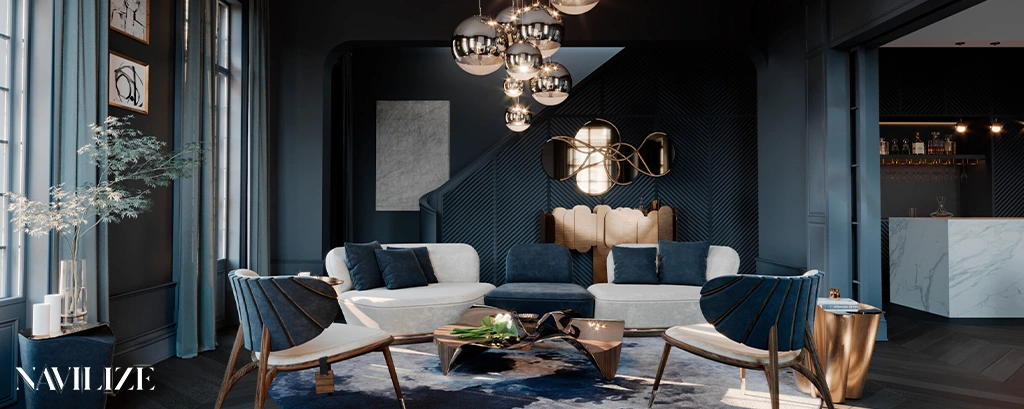
How Interior Design Affects Your Brain: The Neuroscience Behind Beautiful Spaces
The spaces we inhabit do more than house us — they actively reshape how we think, feel, and function. Every color choice, texture, and light source sends signals to your brain, influencing everything from stress hormones to creative problem-solving. Understanding
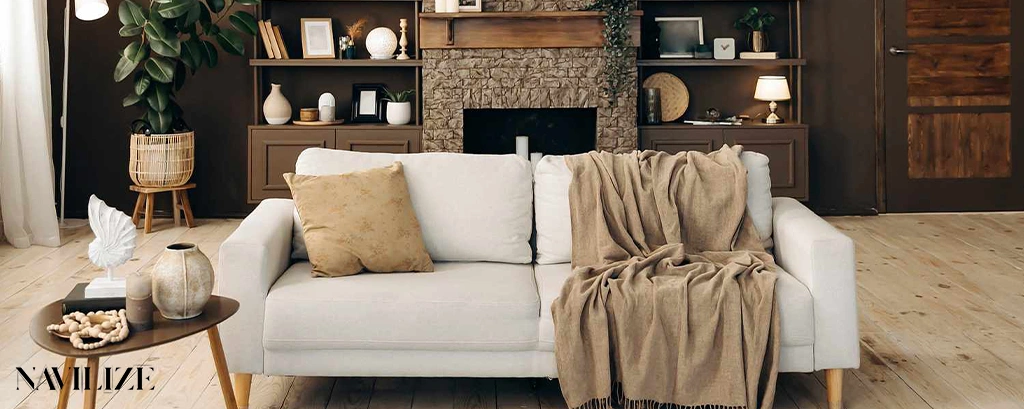
Why Interior Designers Rarely Choose Paint First (And What They Do Instead)
When most people decide to redecorate, they head straight to the paint store. It feels like the logical starting point — pick a color you love, then build the room around it. But professional interior designers almost never work this
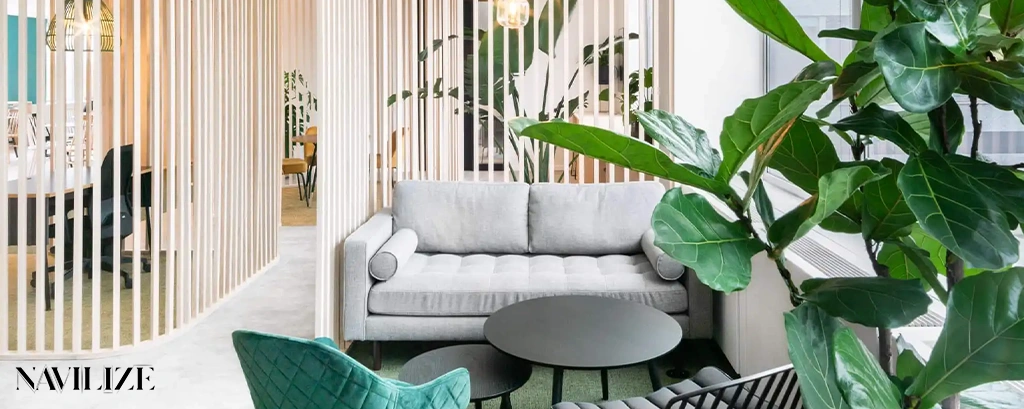
Biophilic Design Backed by Science: How Nature Improves Your Home and Well-Being
Biophilic design isn’t a trend — it’s a design approach rooted in how humans evolved. Our brains are wired to respond to natural elements: daylight, greenery, water, organic textures. When those elements are missing from our indoor environments, we feel
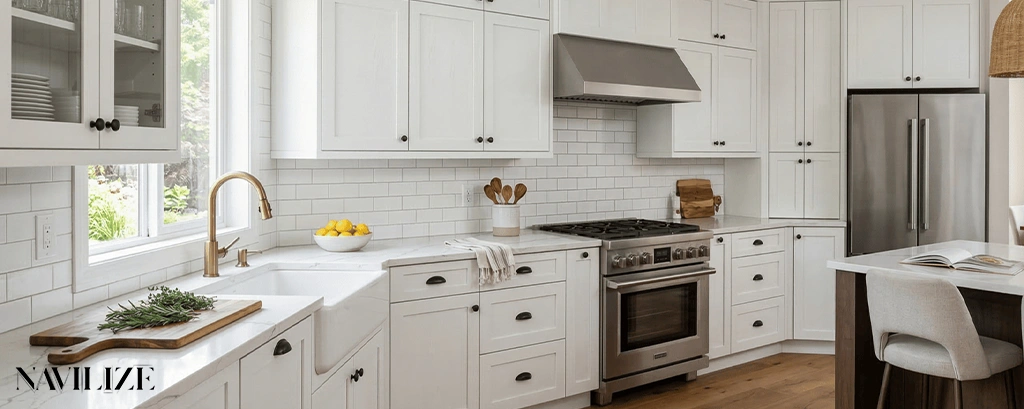
How to Clean and Maintain White Kitchen Cabinets Without Damaging the Finish
White kitchen cabinets are one of the most requested finishes I see in design projects — and one of the most misunderstood when it comes to care. The good news: keeping them looking sharp doesn’t require expensive products. It requires
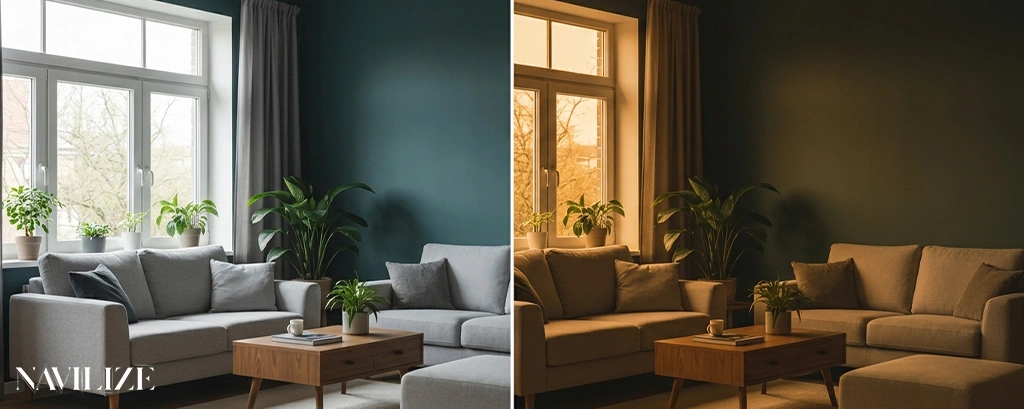
How Lighting Changes Color Perception: Why Your Paint Never Looks the Same
There’s a reason professional designers never choose paint colors from a small chip held under a store’s fluorescent lights. The color you see in that moment has almost nothing to do with what you’ll live with on your walls. Lighting
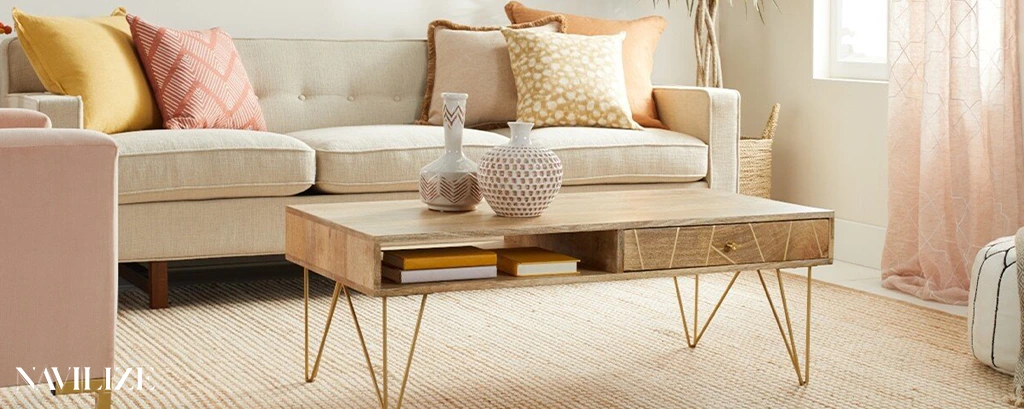
Coffee Table Size Guide: How to Choose the Perfect Dimensions for Your Living Room
There’s a moment in almost every living room project when a client sends me a photo of a coffee table they’ve fallen in love with — and it’s completely wrong for their space. Too tall, too wide, too far from
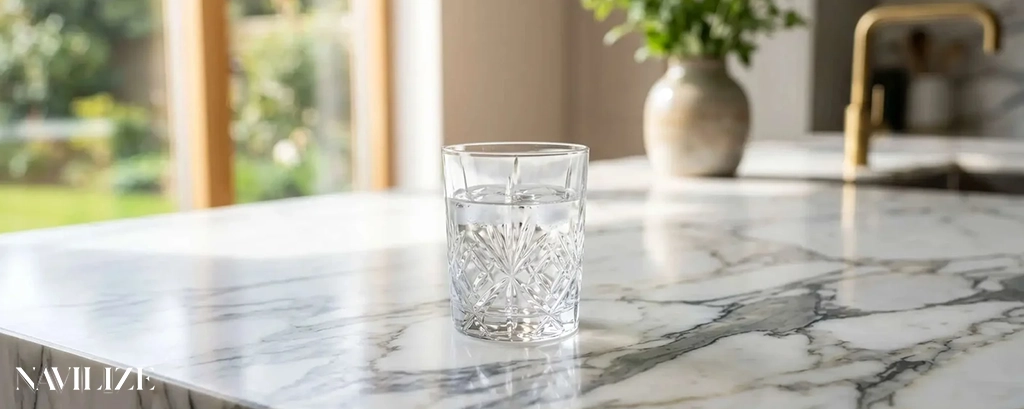
Are Marble Countertops Worth It? Pros, Cons, Costs & Long-Term Value
There’s a moment in almost every kitchen renovation when a client points to a slab of Calacatta marble and says, “I want that.” And honestly? I get it. I’ve been working in interior design for over a decade, and marble
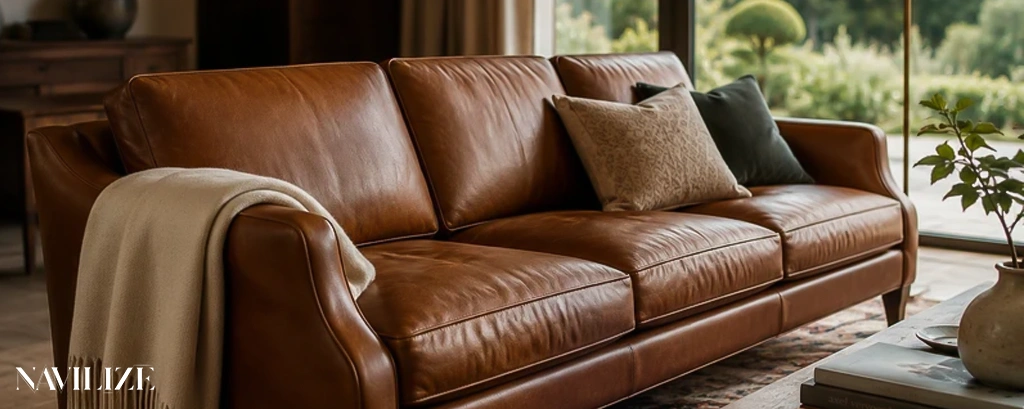
How to Buy a Sofa That Will Last 15 Years: An Interior Designer’s Guide
I’ve watched clients spend 4,000on a sofa that looked incredible in the showroom and was sagging within two years..I′ve also seen a 1,200 sofa from a small manufacturer still looking perfect after a decade. The difference had nothing to do
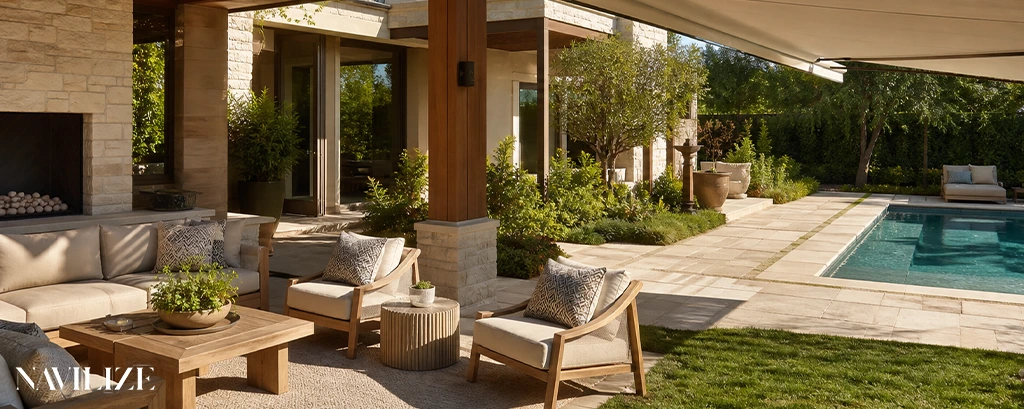
Modern Pergolas & Awnings: The Secret to a Cool, Luxury Backyard in the Summer Heat
As the California summer intensifies, the allure of the outdoors is often tempered by the harsh, unrelenting glare of the sun. For many homeowners, the backyard becomes a beautiful, yet underutilized space—too hot to enjoy during the peak of the
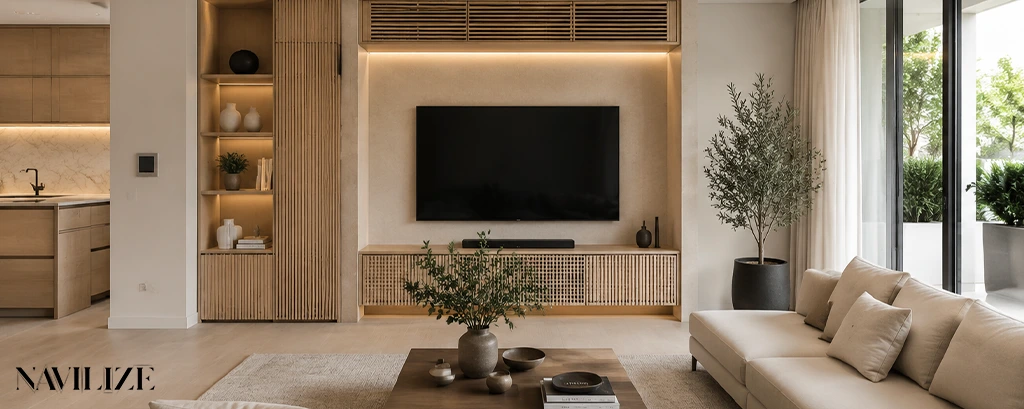
Clever Ways to Hide AC Units and Air Vents in Your Interior Design
In the world of high-end residential architecture, the goal is always perfection: clean lines, curated art, and a sense of effortless flow. Yet, there is often an unavoidable intruder in this vision—the bulky, utilitarian presence of HVAC systems. Whether it
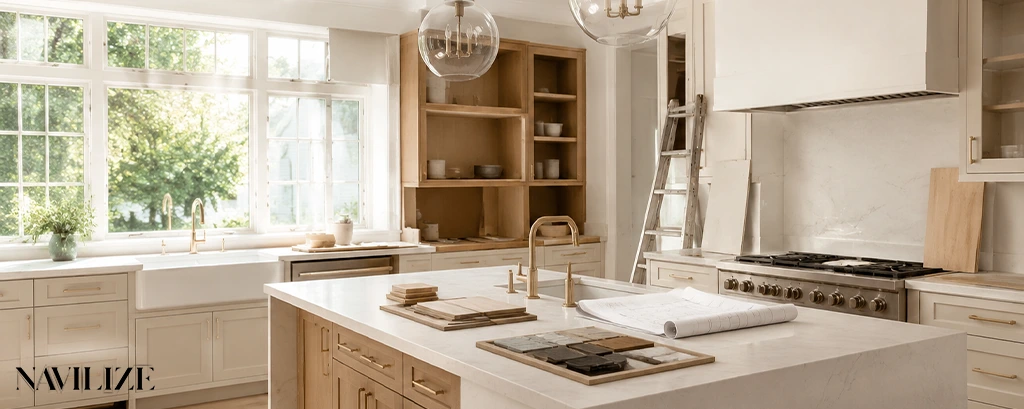
Why Summer is the Perfect Time to Start Your Kitchen Remodel
There is a common misconception that remodeling projects are best left for the “off-season.” However, for homeowners looking to transform their living spaces, summer is undeniably the strategic sweet spot. If you have been debating a summer kitchen remodel, there
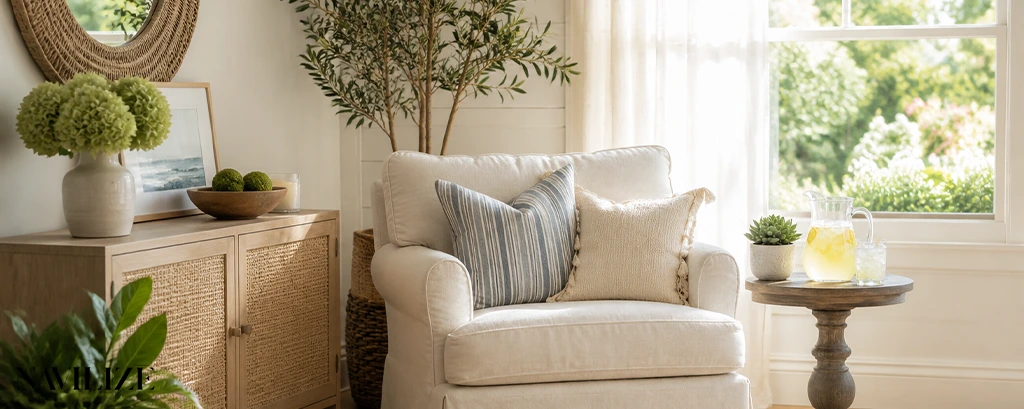
Designing Instagram-Worthy Nooks That Summer Guests Will Love
In the digital age, travel is as much about the sharing as it is about the staying. When guests browse for summer retreats, they aren’t just looking for a place to sleep; they are subconsciously scouting for the perfect backdrop