

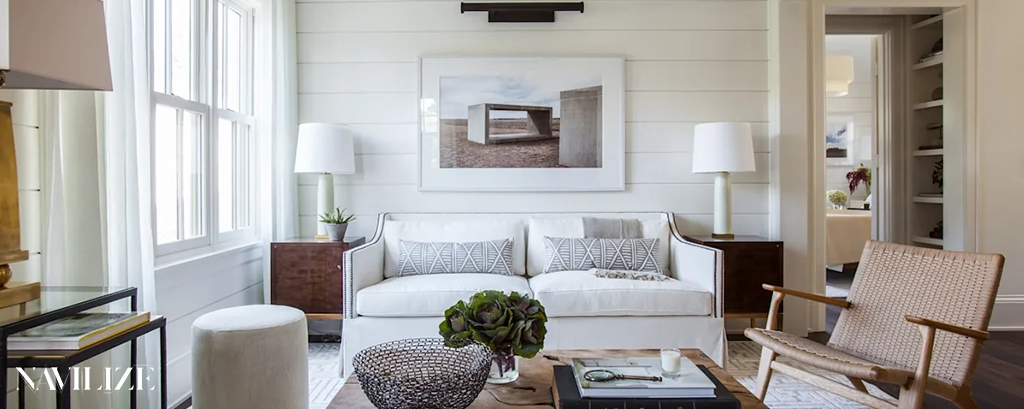
How to Bring Modern Luxury Coastal Style into Your Home
The allure of the coast is timeless. It is the rhythmic sound of waves, the softness of sun-bleached sand, and the endless horizon that promises peace. But when it comes to interior design, the “coastal” label has often been misunderstood,

Best Window Treatments to Beat the Summer Heat Without Losing Natural Light
As the California sun climbs higher, the desire to embrace the bright, airy aesthetic of summer often clashes with the reality of rising indoor temperatures. For many homeowners, the instinctive reaction to a heatwave is to pull down heavy drapes

Luxury Patio Design Ideas for Summer Entertaining in California
There is an undeniable magic to the California lifestyle. It’s a rhythmic blend of golden hour sunlight, the cooling Pacific breeze, and a culture that refuses to keep life confined within four walls. In cities like San Diego, your backyard

Key Decor Upgrades to Double Your Airbnb Bookings This Summer
Summer is the golden season for short-term rental hosts. As days grow longer and the urge for a getaway intensifies, demand for vacation rentals skyrockets. However, in an increasingly saturated market, having a clean space is no longer enough to

Designing for Fast Turnovers: How to Cut Cleaning Time in Half
For most short-term rental owners, occupancy rates get most of the attention. Yet one of the biggest factors affecting profitability often happens between bookings: turnover cleaning. Every additional minute spent cleaning a vacation rental increases labor costs, creates scheduling challenges,

How to Prioritize Renovation Upgrades for the Best ROI
One of the biggest challenges homeowners face during a renovation is deciding where to spend their money. Every project comes with budget limitations, which means every upgrade competes for the same pool of resources. Should you renovate the kitchen? Replace
Why Does My Home Always Look Cluttered? 9 Surprising Reasons + Fixes
Have you ever spent an entire afternoon cleaning your home only to step back and feel like it still looks messy? If so, you’re not alone. Many homeowners assume clutter is simply the result of having too many belongings. In

How to Read a Renovation Timeline (and Tell If It’s Realistic)
One of the most common questions homeowners ask before starting a renovation is simple: “How long is this going to take?” Unfortunately, the answer is rarely as straightforward as many people expect. A contractor may promise six weeks. Another may

How to Spot a Good Contractor by Reading Their Quote
Most homeowners spend weeks researching contractors, reading reviews, and asking for referrals. Yet when the actual quotes arrive, many people focus almost exclusively on the bottom-line price. That is often where costly mistakes begin. A contractor quote is far more

Renovation Budgeting: “Home to Live In” vs “Home to Sell”
One of the biggest mistakes homeowners make is budgeting for a renovation without first defining the purpose behind it. A renovation designed to improve everyday life should be approached differently than one intended to maximize resale value. The challenge is

How to Define Your Renovation Scope (So You Don’t Get Endless Add-Ons)
A renovation can start with a clear vision and still end up over budget, behind schedule, and filled with frustrating surprises. In many cases, the problem is not poor craftsmanship or bad contractors—it is an unclear project scope. If you

Do I Need an Interior Designer—or Is an Hourly Consultation Enough?
Do I need an interior designer—or is an hourly consultation enough? The answer depends on the scope, budget, and complexity of your project. If you’re renovating an entire home, coordinating contractors, managing layouts, materials, lighting, and timelines, a full interior