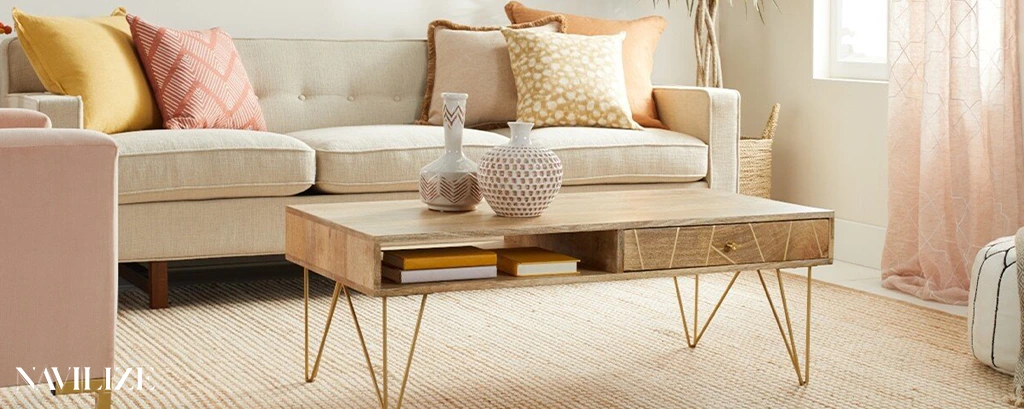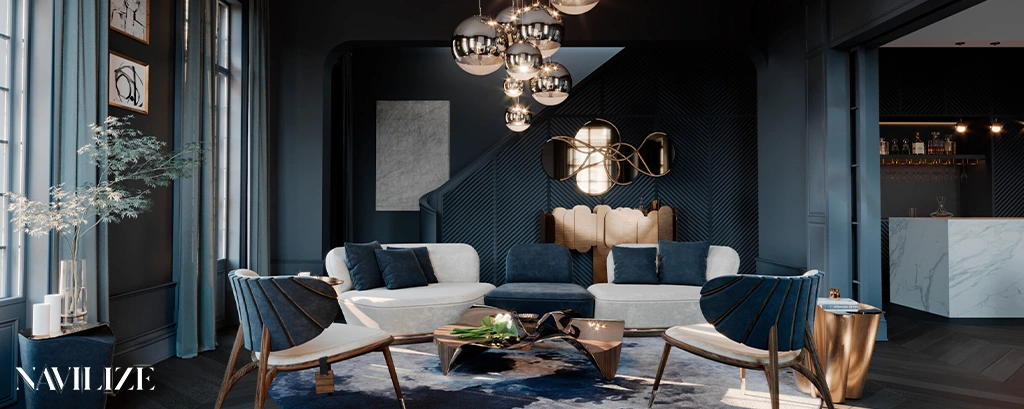
The spaces we inhabit do more than house us — they actively reshape how we think, feel, and function. Every color choice, texture, and light source sends signals to your brain, influencing everything from stress hormones to creative problem-solving. Understanding this relationship between environment and cognition is no longer just philosophy; it’s neuroscience.
What Is Neuroarchitecture?
Neuroarchitecture is the study of how built environments affect the brain and nervous system. It bridges neuroscience, psychology, and design to understand which spatial features promote well-being — and which undermine it.
The field emerged from decades of research showing that architecture isn’t neutral. A landmark 1984 study by Roger Ulrich found that hospital patients recovering from surgery healed faster and needed less pain medication when their rooms had windows facing trees rather than brick walls. The view alone changed measurable health outcomes.
Today, neuroarchitecture uses brain imaging, biometric sensors, and behavioral data to identify design elements that reduce stress, improve focus, and support mental health. It’s not about aesthetics for their own sake — it’s about designing spaces that align with how the brain actually works.
How Your Brain Responds to Space
Your brain constantly evaluates your surroundings for safety, novelty, and resource availability — a survival mechanism inherited from ancestors who needed to assess shelter quickly. Modern interiors trigger the same ancient neural circuits.
Ceiling height affects cognition. Research shows that high ceilings promote abstract thinking and creativity, while lower ceilings encourage detailed, focused work. The brain interprets vertical space as freedom to explore ideas, or as a constraint that demands precision.
Clutter activates stress pathways. Visual disorder competes for attention in the brain’s prefrontal cortex — the region responsible for focus and decision-making. When too many objects demand processing, cognitive performance drops and stress responses rise.
Curves calm, angles alert. The amygdala — the brain’s threat-detection center — shows heightened activity in response to sharp angles and rigid geometry. Rounded furniture and organic shapes reduce this activation, creating a neurological sense of safety.
In one project where a client wanted an all-white minimalist office, we suggested introducing curved shelving and a single textured accent wall. They reported feeling less “on edge” during long work sessions — a shift that likely came from reducing both visual clutter and angular dominance.
The Science Behind Stress-Reducing Interiors
Chronic stress damages the hippocampus, impairs memory, and increases risk for anxiety and depression. Interiors that lower baseline stress aren’t luxuries — they’re interventions.
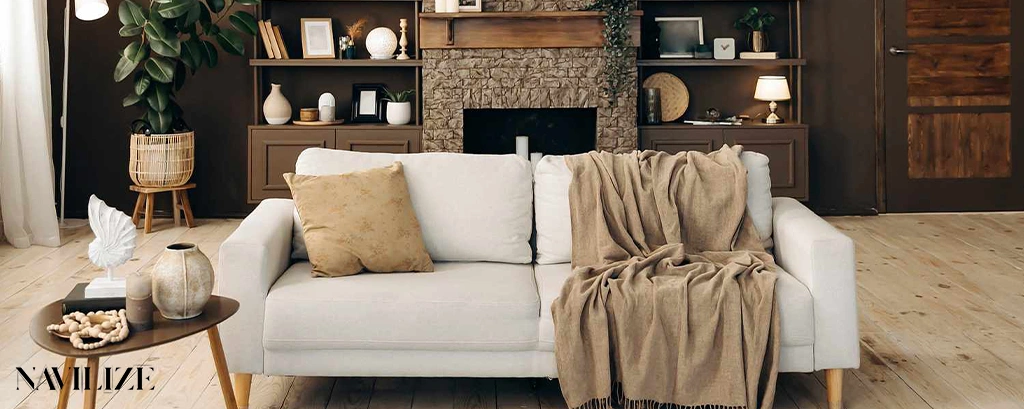
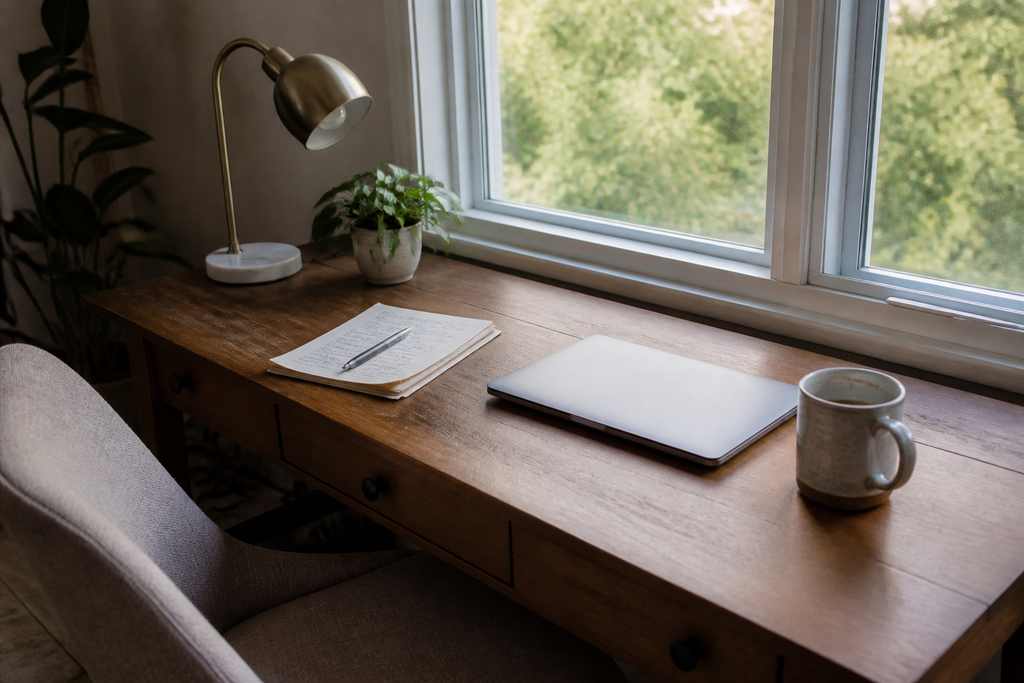
Natural materials lower cortisol. Research consistently shows that spaces featuring wood, stone, and other organic materials produce lower stress responses than those dominated by metal and plastic. The brain recognizes natural materials as part of the environment it evolved in, triggering parasympathetic (“rest and digest”) nervous system activity.
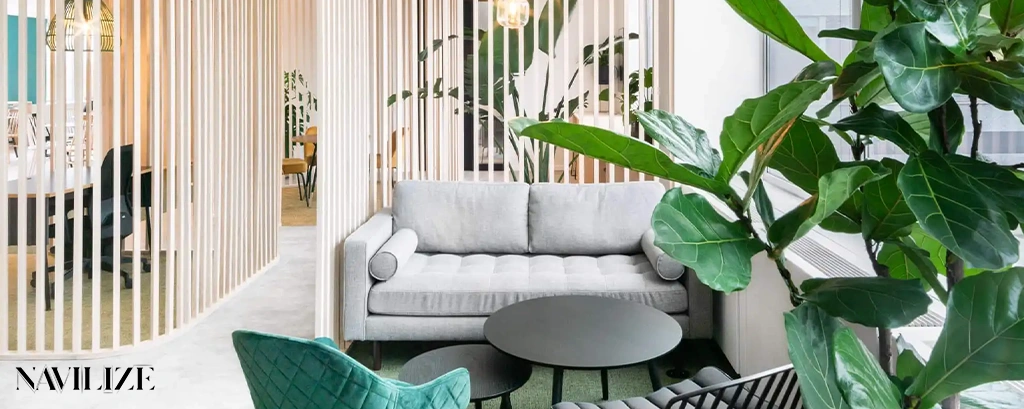
Views of nature restore attention. Attention Restoration Theory, developed by environmental psychologists Rachel and Stephen Kaplan, explains that natural environments allow the prefrontal cortex to recover from directed attention fatigue. Even representations of nature — landscapes on walls, plant-filled corners — provide measurable cognitive rest.
Controlled complexity engages without overwhelming. The brain seeks environments with moderate complexity: enough variation to maintain interest, but not so much that processing becomes exhausting. Spaces with layered textures, varied materials, and thoughtful focal points hit this balance.
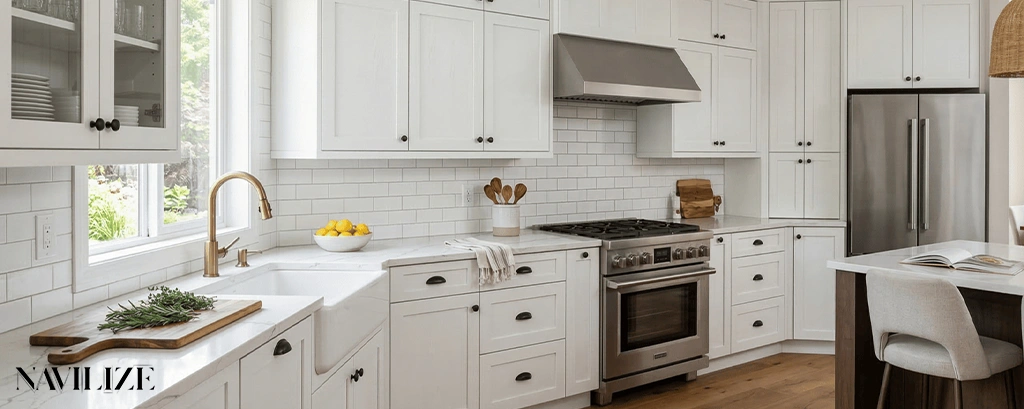
I once worked with a client whose kitchen felt “exhausting” despite being objectively beautiful. The issue was too many competing finishes: three metal types, patterned tile, veined marble, glass backsplash. We unified the palette by replacing the glass with matte subway tile and swapping nickel hardware for brushed brass. The reduction in visual competition made the space feel immediately calmer.
How Lighting, Color, and Texture Affect the Brain
Light is the brain’s primary time-keeper. The suprachiasmatic nucleus (SCN) — your internal clock — uses light exposure to regulate circadian rhythms, which control sleep, mood, hormone release, and even immune function.
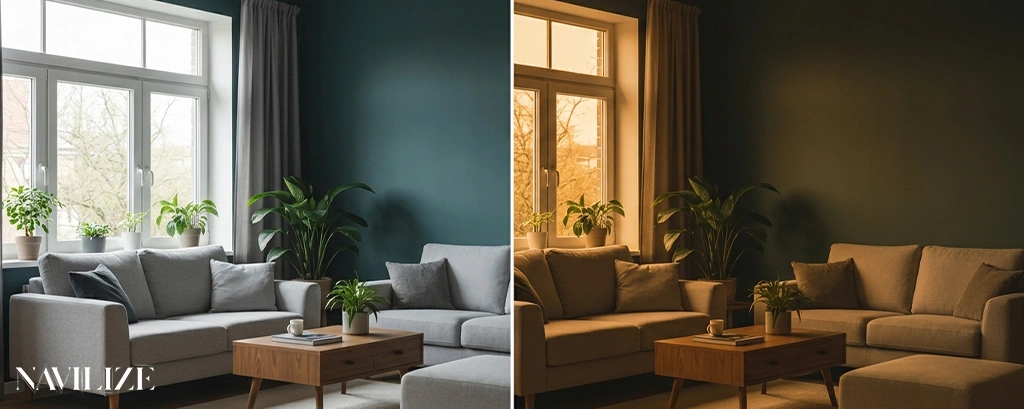
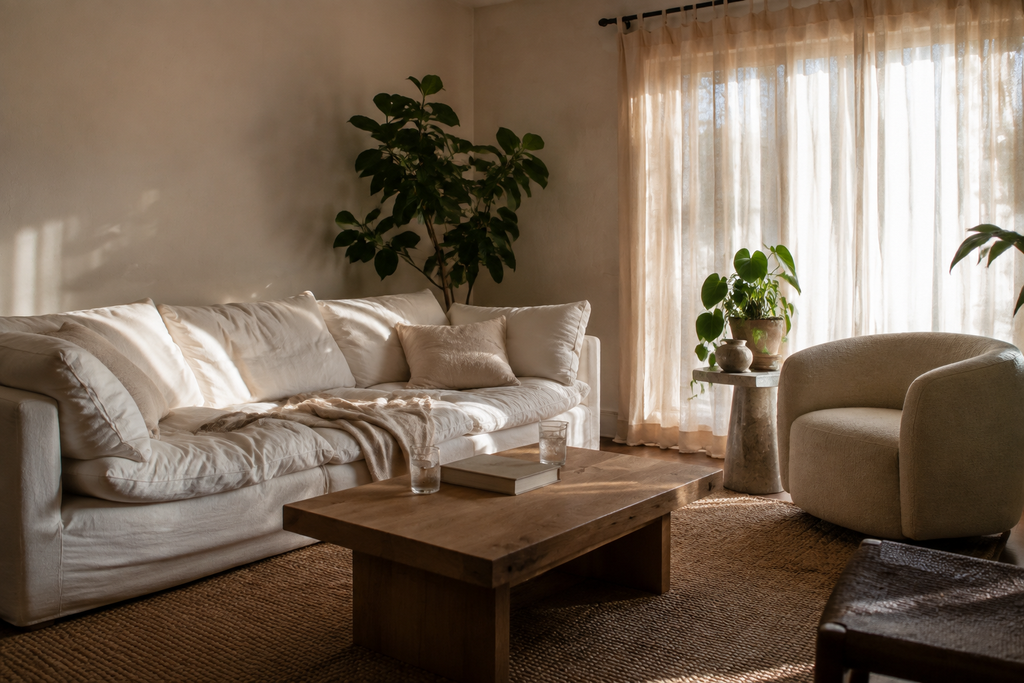
Blue-rich light activates, warm light relaxes. Blue wavelengths (5000K+) suppress melatonin and increase alertness, making them ideal for workspaces. Warm light (2700–3000K) has the opposite effect, signaling the brain to prepare for rest. Layering both types — task lighting for focus, ambient warmth for evenings — supports natural energy rhythms.
Color influences emotional tone via learned associations and direct neural response. While some color psychology is cultural, certain reactions appear consistent across populations. Red increases heart rate and arousal, making it useful in dining spaces to stimulate appetite and conversation. Blue promotes focus and activates the prefrontal cortex. Green — associated with nature and growth — reduces eye strain and mental fatigue, and research suggests it may support creative problem-solving by signaling expansiveness rather than constraint.
Texture adds cognitive richness. Tactile variety — linen upholstery, matte ceramics, rough-hewn wood — gives the brain more sensory information to process, which can increase feelings of comfort and presence. Overly smooth, uniform surfaces provide less neural stimulation and can feel sterile over time.
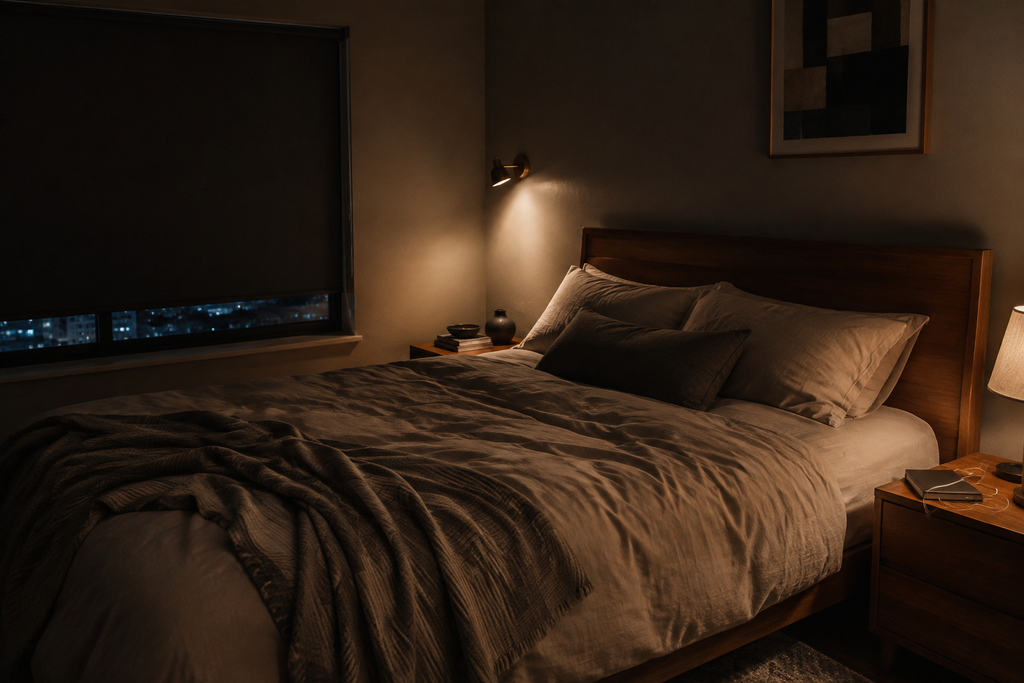
For one client dealing with chronic insomnia, we replaced overhead lighting with dimmable wall sconces and warm bedside lamps, and added blackout cellular shades. Sleep latency dropped noticeably within two weeks — no medication, just better light management.
Design Choices That Improve Mental Well-Being
Translating neuroscience into livable interiors means making targeted choices that support how your brain functions best.
| Design Element | Brain Effect | Implementation |
| Natural light access | Regulates circadian rhythm, boosts serotonin | Position desks near windows; use sheer curtains instead of blackout during the day |
| Biophilic elements | Reduces cortisol, improves focus | Add live plants, natural wood furniture, stone accents |
| Defined zones | Supports cognitive clarity, reduces decision fatigue | Use rugs, lighting, or furniture arrangement to create distinct areas for work, rest, socializing |
| Acoustic control | Prevents auditory overload, preserves focus | Install soft furnishings (curtains, upholstered pieces); use rugs on hard floors |
| Personal meaning | Activates reward centers, strengthens identity | Display art, photos, or objects tied to positive memories |
Avoid common traps:
- All-white everything. While visually clean, monochrome environments provide little sensory variation and can feel stark or clinical over time.
- Overhead-only lighting. Harsh, uniform light eliminates shadows and depth cues, flattening the space and causing eye strain.
- Zero personalization. Spaces devoid of personal objects fail to activate the brain’s self-referential network, reducing emotional connection and comfort.
The most effective interiors aren’t always the most photographable. They’re the ones that adapt to how you actually live — supporting focus when you need it, promoting rest when you don’t, and offering enough complexity to stay interesting without becoming chaotic.
At Navilize, we design spaces that account for both how they look and how they make you feel. If you’re ready to create an environment that supports your mental well-being, explore our interior design services to get started.
Frequently Asked Questions
Can changing my interior design really reduce anxiety?
Yes. Environmental factors — lighting quality, visual clutter, access to nature — directly affect cortisol and autonomic nervous system activity. Design changes won’t replace therapy or medication for clinical anxiety, but they can meaningfully lower baseline stress.
What’s the most impactful change I can make for better mental health at home?
Improve your lighting. Add task lighting where you work, use warm ambient light in rest areas, and maximize natural light exposure during the day. Light regulates circadian rhythm, which influences mood, sleep, and cognitive function.
Does neuroarchitecture apply to small spaces?
Absolutely. Even in compact apartments, you can control light quality, reduce clutter, introduce natural materials, and define zones. The principles scale — it’s about working with your brain’s needs, not square footage.
How long does it take to notice the effects of a redesign?
Some changes — like better lighting or reduced clutter — can produce noticeable shifts within days. Deeper benefits (improved sleep patterns, sustained focus, lower baseline stress) typically emerge over 2–4 weeks as your nervous system adjusts to the new environment.
Are certain colors universally calming or energizing?
Some effects are consistent across cultures (blue tends to promote focus, red increases arousal), but personal associations matter. If a color has positive meaning for you, your brain will likely respond favorably regardless of general trends.