Have you ever spent an entire afternoon cleaning your home only to step back and feel like it still looks messy?
If so, you’re not alone.
Many homeowners assume clutter is simply the result of having too many belongings. In reality, a home can be relatively organized and still appear chaotic. The reason often comes down to something designers call visual clutter.
Understanding why does my house look cluttered is not always about cleaning more or buying additional storage. Often, the issue lies in how items are displayed, arranged, and perceived by the eye.
A room can be spotless yet feel overwhelming because of furniture scale, lighting, color choices, exposed cables, or dozens of small objects competing for attention.
The good news is that visual clutter is usually easier to fix than physical clutter. Small adjustments can dramatically change how a space feels without requiring a major renovation or expensive redesign.
In this guide, we’ll explore the most common cluttered room reasons, practical fixes that work, and long-term systems that help keep your home feeling calm, functional, and visually organized.
What “Visual Clutter” Really Is (and Why It Happens)
Before solving the problem, it’s important to understand what visual clutter actually means. Many people confuse clutter with messiness, but they are not the same thing.
The Difference Between Messy vs Visually Busy
A messy room typically contains items that are out of place.
Examples include:
- Laundry on the floor
- Unwashed dishes
- Toys scattered around
- Papers stacked randomly
Visual clutter, on the other hand, can exist even when everything is technically organized.
Examples include:
- Too many decorative objects
- Excessive color variation
- Busy patterns
- Open shelving filled with unrelated items
- Multiple focal points competing for attention
Interior designers often focus on reducing visual noise because the brain processes every visible object in a room. The more information your eyes must process, the more cluttered the space feels.
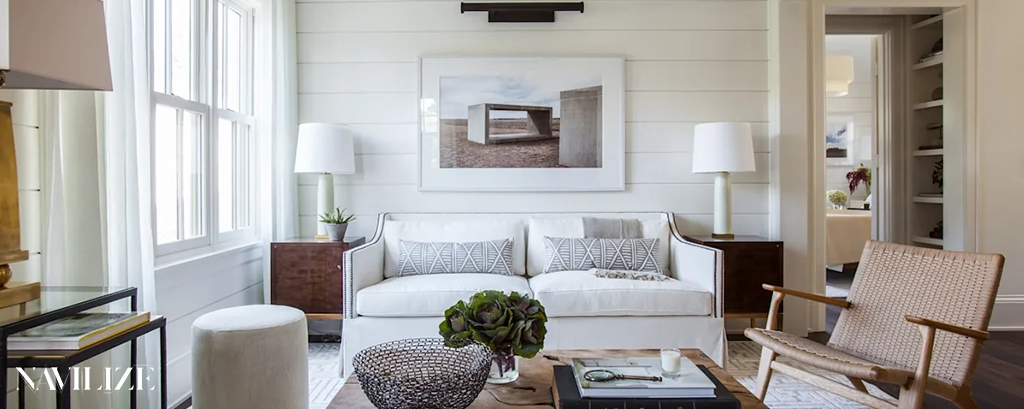
This is one of the most important concepts in visual clutter interior design. The goal is not necessarily owning less—it is creating a space where the eye can rest.
The 9 Reasons Your Home Looks Cluttered
Many homeowners are surprised to discover that a few common design mistakes can make even well-maintained spaces feel crowded and disorganized.
Let’s explore the most common causes.
Too Many Small Items on Open Surfaces
Small decorative objects are often the biggest contributors to visual clutter.
Examples include:
- Candles
- Small frames
- Souvenirs
- Decorative figurines
- Miscellaneous accessories
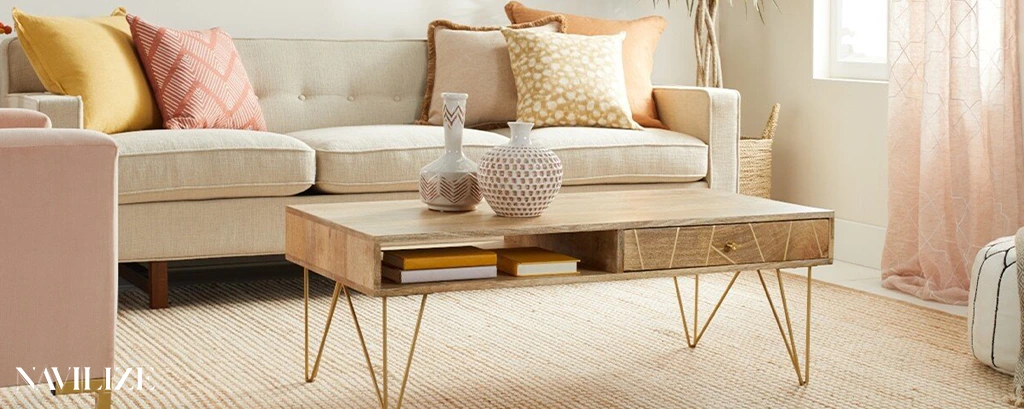
One or two carefully placed items can create interest. Ten unrelated items scattered across a surface create distraction.
Fix:
Edit aggressively. Group items into intentional arrangements and leave some surfaces partially empty. Negative space helps objects stand out and makes rooms feel more organized.
Incorrect Furniture Scale
Furniture that is too large or too small can disrupt visual balance.
Common problems include:
- Oversized sectionals in small rooms
- Tiny accent chairs floating awkwardly
- Large coffee tables blocking circulation
When furniture scale feels wrong, the room often appears crowded regardless of how tidy it is.
Fix:
Choose furniture proportional to the room and maintain clear pathways for movement. Proper scale instantly improves visual harmony.
Too Many Competing Patterns and Colors
Patterns add personality, but too many competing designs create visual tension.
Examples include:
- Bold rugs
- Patterned curtains
- Busy throw pillows
- Decorative wallpaper
When multiple patterns fight for attention, the space feels overwhelming.
Fix:
Limit dominant patterns and maintain a consistent color palette throughout the room. Most professionally designed spaces rely on restraint rather than constant visual stimulation.
Exposed Cords and Charging Zones
Modern homes contain more technology than ever. Unfortunately, cords create visual chaos surprisingly quickly.
Common offenders include:
- Phone chargers
- TV cables
- Laptop wires
- Gaming equipment
- Smart home devices
Even a clean room can feel disorganized when cables are visible everywhere.
Fix:
Use cable management systems, cord covers, hidden charging drawers, or furniture designed to conceal electronics.
No “Drop Zone” at Entry
The entryway often determines how clutter spreads throughout the home. Without a designated location for everyday items, belongings migrate to random surfaces.
Common examples include:
- Keys
- Wallets
- Shoes
- Bags
These items accumulate quickly and create a constant sense of disorder.
Fix:
Create a simple drop zone near the entrance with:
- Hooks
- Trays
- Small baskets
- Shoe storage
One organized landing area can dramatically reduce clutter throughout the house.
Open Shelving Without Grouping Rules
Open shelving is visually appealing when styled intentionally. However, it often becomes a collection point for unrelated objects. Without structure, shelves can look crowded and chaotic.
Fix:
Follow simple grouping principles:
- Group similar items together
- Vary heights intentionally
- Leave empty space
- Limit color variation
- Create visual repetition
Designers often treat shelves as curated displays rather than storage zones.
Wrong Lighting
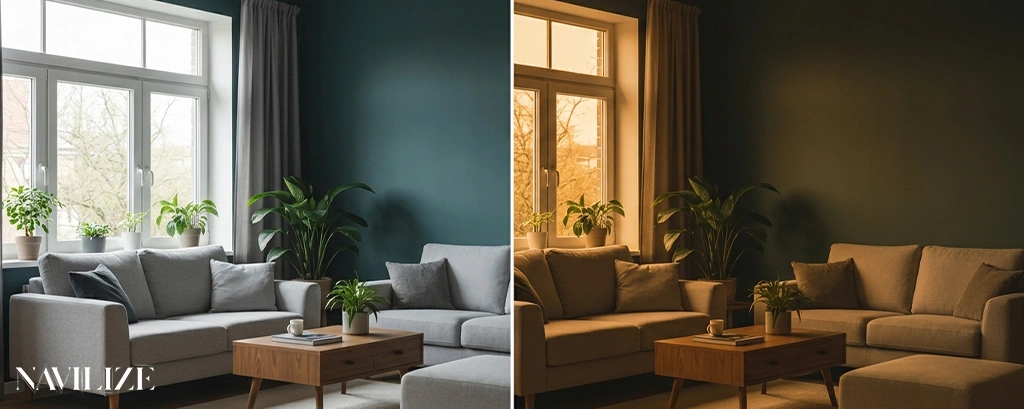
Lighting affects how organized a room feels. Dark corners create visual confusion and emphasize clutter. Inadequate lighting can make rooms feel smaller, heavier, and less inviting.
Fix:
Layer lighting using:
- Ambient lighting
- Task lighting
- Accent lighting
Even a cluttered room can feel more spacious with proper illumination.
Too Many Decor “Collections” Spread Out
Collections are meaningful, but they become problematic when distributed throughout multiple rooms.
Examples include:
- Travel souvenirs
- Family photos
- Decorative figurines
- Hobby-related items
When collections appear everywhere, they create visual fragmentation.
Fix:
Consolidate collections into dedicated display areas. Grouping creates stronger visual impact while reducing overall clutter.
Storage That’s Hard to Access
One of the most overlooked cluttered room reasons is inconvenient storage. If putting items away feels difficult, people naturally leave them out.
Common issues include:
- Overfilled closets
- High shelves
- Hard-to-open containers
- Deep cabinets
Convenience drives behavior.
Fix:
Create storage solutions that are easy to use daily.
The easier it is to put something away, the more likely you are to maintain order.
A 30-Minute Reset Checklist
Sometimes a room does not need a complete overhaul. A quick reset can significantly improve visual clarity.
What to Remove, Hide, Group, and Relocate
Remove
- Unnecessary decorative items
- Expired paperwork
- Duplicate accessories
- Broken items
Hide
- Cords
- Chargers
- Remote controls
- Everyday clutter
Group
- Books
- Decorative objects
- Family photos
- Similar materials
Relocate
- Seasonal items
- Rarely used equipment
- Overflow storage
- Excess décor
This simple exercise often produces immediate results. Many homeowners discover that removing just a handful of visible distractions dramatically changes how a room feels. If you’re searching for how to make home look less cluttered quickly, this is often the fastest starting point.
Long-Term Systems That Keep It Tidy
While decluttering sessions can provide short-term improvement, sustainable organization requires systems. The best organizing strategies reduce future decision-making.
One-Touch Storage + Container Strategy
One of the most effective organizing tips that work is the one-touch rule.
The concept is simple:
Whenever possible, handle an item only once.
Instead of placing something temporarily on a counter, put it directly into its designated location.
This prevents accumulation and reduces future cleanup.
Another powerful strategy is container-based organization.
Use baskets, bins, trays, and drawers to define boundaries.
For example:
- One basket for incoming mail
- One tray for keys
- One container for charging devices
- One drawer for remote controls
Containers naturally limit accumulation because they establish physical capacity. This approach works particularly well for small space clutter solutions where every square foot matters.
The goal is not perfection. The goal is creating systems that are easy enough to maintain consistently.
For homeowners looking to improve space planning, organization strategies, and overall home functionality, resources available through Navilize can help provide greater clarity before making larger design or renovation decisions.
Final Thoughts
If you’ve ever wondered why does my house look cluttered despite regular cleaning, the answer may have less to do with organization and more to do with visual perception.
Visual clutter interior design principles show that factors such as furniture scale, lighting, exposed cords, excessive décor, and poor storage systems often contribute more to a room’s appearance than actual mess.
By addressing the nine common cluttered room reasons discussed above, homeowners can create spaces that feel larger, calmer, and more intentional. Small adjustments—such as grouping objects, simplifying color palettes, improving lighting, and creating functional drop zones—often deliver dramatic results.
The most effective small space clutter solutions combine thoughtful design with practical systems that support everyday habits. When storage is accessible and organization becomes effortless, maintaining a tidy home requires far less effort.
Ultimately, the goal is not achieving a perfectly minimalist space. It is creating an environment where visual distractions are reduced, daily routines become easier, and your home feels more comfortable every time you walk through the door.