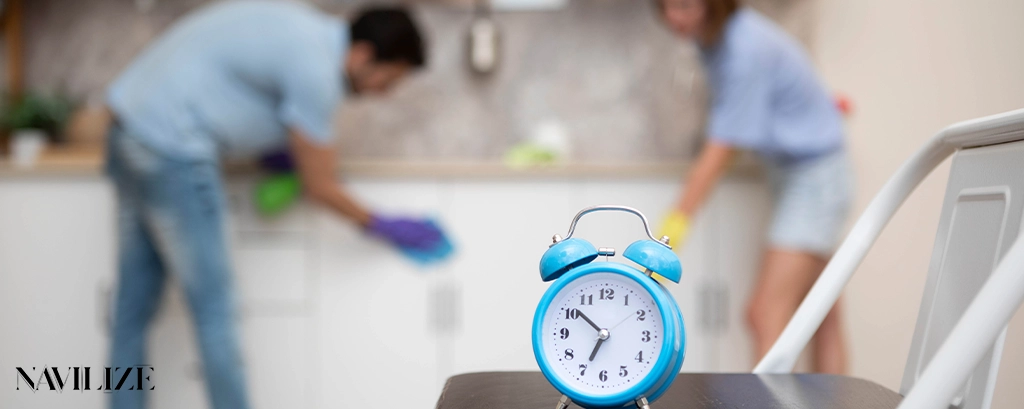
For most short-term rental owners, occupancy rates get most of the attention. Yet one of the biggest factors affecting profitability often happens between bookings: turnover cleaning.
Every additional minute spent cleaning a vacation rental increases labor costs, creates scheduling challenges, and raises the risk of delayed check-ins. While many hosts focus on improving cleaning procedures, fewer realize that cleaning efficiency is heavily influenced by design decisions made long before guests arrive.
The truth is that STR turnover cleaning design can have a greater impact on operational efficiency than almost any cleaning checklist. Flooring materials, furniture selection, surface finishes, storage organization, and room layouts all affect how quickly a property can be reset between guests.
Properties designed with turnover efficiency in mind require less labor, experience fewer maintenance issues, and create more consistent guest experiences.
Whether you manage a single Airbnb or an entire portfolio of vacation rentals, understanding how design influences cleaning performance can help reduce operational costs while improving property performance.
This guide explores the design choices that support vacation rental cleaning faster, highlights common mistakes that slow cleaning teams down, and provides a practical framework for creating a turnover-friendly rental.
Why Turnover Time Is a Design Problem
When turnover delays occur, many operators assume the issue lies with cleaners, staffing levels, or cleaning procedures.
In reality, design often plays a much larger role than people realize.
Surfaces, Materials, and Layout Drive Labor Time
Every surface inside a rental requires attention.
The more difficult those surfaces are to clean, the longer turnover takes.
For example:
- Glossy surfaces reveal fingerprints more easily.
- Open shelving collects dust.
- Complex furniture layouts create cleaning obstacles.
- Fragile finishes require extra care.
- Tight spaces slow vacuuming and mopping.
Cleaning labor is directly affected by how a property is designed.
A cleaner working in a thoughtfully designed rental can often complete the same quality of work significantly faster than someone working in a property filled with maintenance-heavy features.
This is why many professional operators now view cleaning efficiency as a design consideration rather than simply an operations issue.
When planning renovations or furnishing a short-term rental, turnover efficiency should be evaluated alongside aesthetics and guest experience.
The Biggest Design Choices That Reduce Cleaning Time
Some design decisions have a disproportionately large impact on cleaning performance.
These choices can reduce labor requirements without making the property feel less attractive or welcoming.
Flooring That Hides Dust + Wipes Fast
Flooring influences nearly every turnover.
Some materials reveal every speck of dust, while others remain visually clean much longer.
Generally effective choices include:
- Luxury vinyl plank (LVP)
- Quality laminate flooring
- Mid-tone engineered hardwood
- Large-format tile
These materials typically:
- Clean quickly
- Resist staining
- Tolerate moisture
- Require minimal maintenance
By contrast, high-gloss dark flooring often highlights dust, footprints, and hair almost immediately.
For vacation rental cleaning faster, flooring should prioritize durability and ease of maintenance over dramatic visual impact.
Matte vs Glossy Finishes
Many hosts choose glossy finishes because they initially appear luxurious.
However, glossy surfaces often require significantly more maintenance.
Common examples include:
- Gloss cabinetry
- Polished countertops
- Reflective wall finishes
- High-shine fixtures
These materials tend to reveal:
- Fingerprints
- Water spots
- Smudges
- Dust accumulation
Matte finishes generally conceal imperfections more effectively.
They also require less detailed polishing between guests.
For high-turnover properties, matte surfaces often provide a better balance between aesthetics and maintenance efficiency.
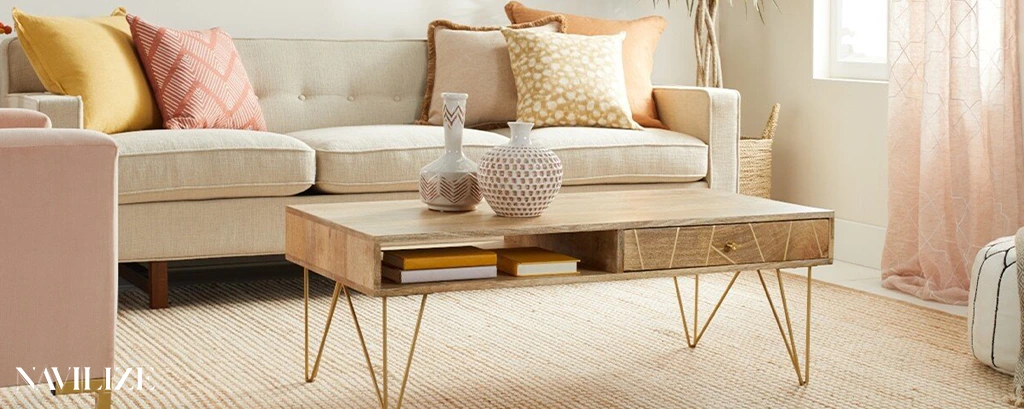
Furniture Legs/Clearance for Vacuum Access
Furniture design directly affects cleaning speed.
Large pieces that sit flush against the floor can trap:
- Dust
- Hair
- Debris
- Lost guest items
When cleaners must move furniture repeatedly, turnover times increase substantially.
Furniture with adequate clearance allows:
- Faster vacuuming
- Easier mopping
- Better inspection visibility
Many professional operators intentionally select furniture with raised legs to simplify cleaning access.
Fewer Horizontal Dust-Catchers
Every horizontal surface becomes a maintenance responsibility.
Examples include:
- Decorative ledges
- Floating shelves
- Display tables
- Oversized décor pieces
While these features may look attractive, they also accumulate dust quickly.
Reducing unnecessary horizontal surfaces decreases the number of touchpoints cleaners must address during every turnover.
In rental design, simplicity often outperforms complexity from both operational and maintenance perspectives.
“Replace, Don’t Scrub” Strategy
One of the most effective approaches to turnover management is minimizing deep-cleaning requirements.
Instead of investing labor into difficult cleaning tasks, operators can design systems that allow quick replacement.
Washable Covers, Extra Linen Sets, Modular Items
Professional hospitality operations frequently follow a simple principle:
Replace first. Clean later.
Examples include:
Washable Slipcovers
- Sofa covers
- Cushion covers
- Dining chair covers
Extra Linen Sets
- Bedding backups
- Pillow covers
- Towels
- Kitchen textiles
Modular Components
- Replaceable cushions
- Swappable décor items
- Interchangeable accessories
This strategy allows cleaning teams to:
- Maintain quality standards
- Reduce turnover pressure
- Minimize delays
Rather than spending excessive time removing stains or treating fabrics on-site, items can be replaced immediately and cleaned separately.
For hosts seeking low maintenance design for rentals, this approach can significantly improve operational efficiency.
The Turnover-Friendly Setup Checklist
Even the best materials cannot compensate for poor organization.
A well-designed turnover system makes cleaning faster, more consistent, and less dependent on individual staff members.
Supply Zones, Labels, Backups, Owner Closet
Every short-term rental should include dedicated operational infrastructure.
Supply Zones
Cleaning supplies should be:
- Easy to access
- Clearly organized
- Stored consistently
Searching for supplies wastes valuable turnover time.
Labels
Labels reduce confusion and improve consistency.
Consider labeling:
- Storage bins
- Linen shelves
- Cleaning products
- Replacement inventory
Clear organization helps cleaners move quickly and confidently.
Backups
Maintain backups of frequently used items:
- Light bulbs
- Batteries
- Remote controls
- Towels
- Sheets
- Guest amenities
Waiting for replacement items creates avoidable delays.
Owner Closet
A locked owner closet provides centralized storage for:
- Cleaning supplies
- Maintenance tools
- Replacement inventory
- Seasonal items
Many operators consider an owner closet essential to an effective STR maintenance checklist.
Mistakes That Slow Cleaners Down
Some design choices create recurring operational problems.
While they may appear attractive during setup, they often increase labor requirements throughout the property’s life cycle.
Open Shelving, Heavy Decor, Hard-to-Reach Lighting
Open Shelving
Open shelves attract dust and require constant attention.
Every visible item becomes part of the cleaning process.
Closed storage generally reduces maintenance demands significantly.
Heavy Decor
Decorative objects may improve aesthetics, but excessive décor often creates cleaning obstacles.
Examples include:
- Large sculptures
- Numerous accessories
- Fragile decorative items
- Layered tabletop displays
The more objects present, the more surfaces require attention.
Hard-to-Reach Lighting
Statement fixtures can become maintenance challenges.
Examples include:
- Chandeliers
- High pendant lights
- Decorative ceiling installations
Difficult access increases cleaning complexity and maintenance costs. When evaluating durable materials for vacation rentals, ease of maintenance should always be considered alongside visual appeal.
Mini Case Study Layout
To understand the impact of design decisions, consider a simplified turnover scenario.
Before/After Time Savings Breakdown
Before Optimization
Property Features:
- Dark glossy flooring
- Open shelving
- Decorative collections
- Large furniture without clearance
- Limited storage organization
Average Turnover Time:
- 4.5 hours
After Optimization
Improvements:
- Mid-tone LVP flooring
- Reduced decorative surfaces
- Furniture with cleaning clearance
- Labeled storage systems
- Backup linen inventory
- Simplified shelf styling
Average Turnover Time:
- 2.5 hours
Estimated Savings:
- Approximately 44% reduction in labor time
While actual results vary, many operators discover that design improvements generate significant operational benefits over the life of the property. The cumulative impact becomes especially meaningful for rentals with frequent guest turnover.
For property owners looking to optimize layouts, maintenance planning, renovation decisions, and operational efficiency, resources available through Navilize can help bring greater structure and clarity to vacation rental improvement projects.
Final Thoughts
The fastest way to improve turnover efficiency is not always hiring more cleaners or creating longer checklists. Often, the most effective solution is improving the design of the property itself.
A thoughtful STR turnover cleaning design strategy reduces labor demands, simplifies maintenance, and creates a more reliable guest-ready process. Flooring choices, furniture selection, storage organization, surface finishes, and layout decisions all influence how quickly a rental can be cleaned between stays.
By implementing vacation rental cleaning faster strategies such as matte finishes, durable flooring, raised furniture, replaceable textiles, and organized supply systems, hosts can significantly reduce operational friction.
At the same time, avoiding common Airbnb turnover tips mistakes—such as excessive open shelving, heavy décor, and hard-to-maintain fixtures—helps create a property that remains attractive without becoming labor-intensive.
The most successful short-term rentals balance aesthetics with practicality. When design supports cleaning efficiency, owners benefit from lower labor costs, fewer maintenance headaches, and more consistent guest experiences.
Ultimately, the best low maintenance design for rentals is not just about appearances. It is about creating a property that performs efficiently every day, every turnover, and every season.