Vacation Rental Interior Design Tips That Boost Bookings by Airbnb Guests
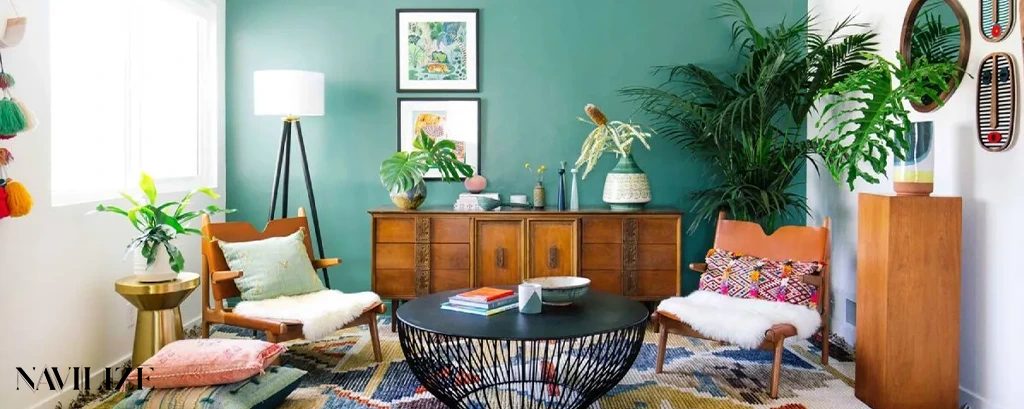
Well planned interior design plays a major role in increasing Airbnb bookings and guest satisfaction. Clean layouts, neutral colors, and good lighting help spaces feel larger and more inviting in photos. Comfortable beds, quality textiles, and thoughtful details like mirrors or local decor create a memorable stay. Functionality is just as important as style, with […]
How AI and 3D Rendering Are Changing Interior Design in 2026

In 2026, AI and 3D rendering are fundamentally reshaping interior design workflows and creativity. Designers now use AI to generate layout options, color palettes, and material combinations in seconds, based on user preferences and spatial data. Advanced 3D rendering enables real time visualization with near photorealistic quality, allowing clients to experience spaces before execution. These […]
Low-Stress Home Design: Creating Interiors That Reduce Screen Time

Modern homes have become increasingly dominated by screens, often blurring the boundaries between work, rest, and personal life. low stress home design focuses on reshaping interiors to encourage presence, calm, and intentional living rather than constant digital engagement. Instead of eliminating technology entirely, this approach prioritizes balance through spatial planning, material selection, and sensory awareness. […]
Interior Design Trends 2026: Lived-In Luxury and Truly Livable Homes
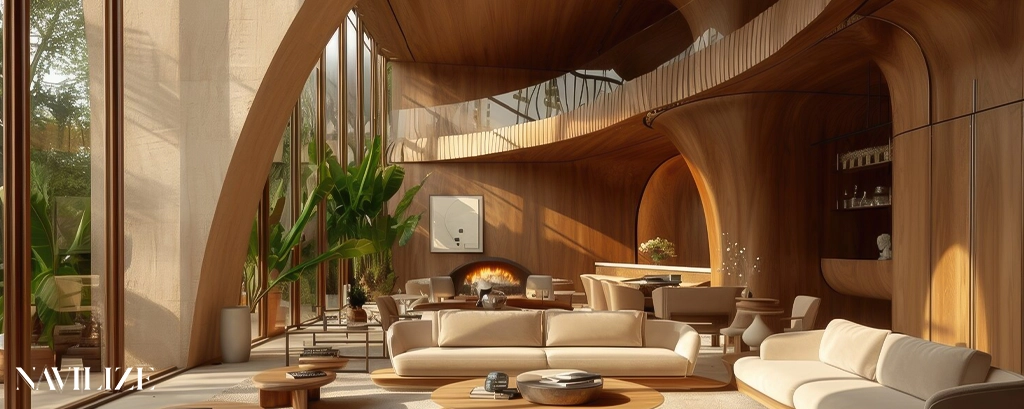
The year 2026 brings a fresh perspective on residential interiors, emphasizing comfort, functionality, and personality. Designers are moving away from stark minimalism toward spaces that feel warm, lived-in, and approachable. Thoughtful layouts, layered textures, and personalized details create homes that are both luxurious and truly livable. Integrating sustainable materials, versatile furniture, and practical storage solutions […]
Adaptive Living Design: Stylish Homes for Aging in Place
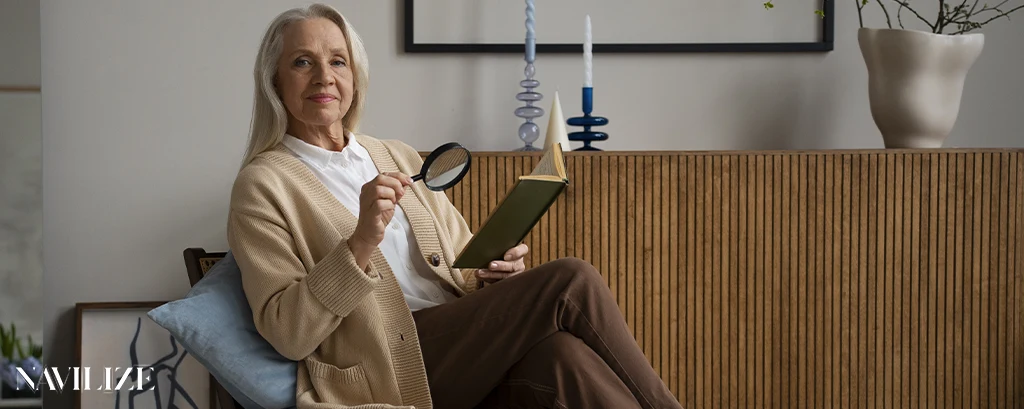
Designing homes for aging residents requires careful planning that balances safety, comfort, and style. Spaces should accommodate mobility changes, prevent accidents, and support daily activities without compromising aesthetics. Thoughtful layout, furniture selection, and accessible pathways enhance functionality while maintaining visual appeal. Incorporating ergonomic solutions ensures independence and ease of use. Implementing adaptive living design creates […]
Circadian Lighting Design: Night Lighting That Improves Sleep and Safety
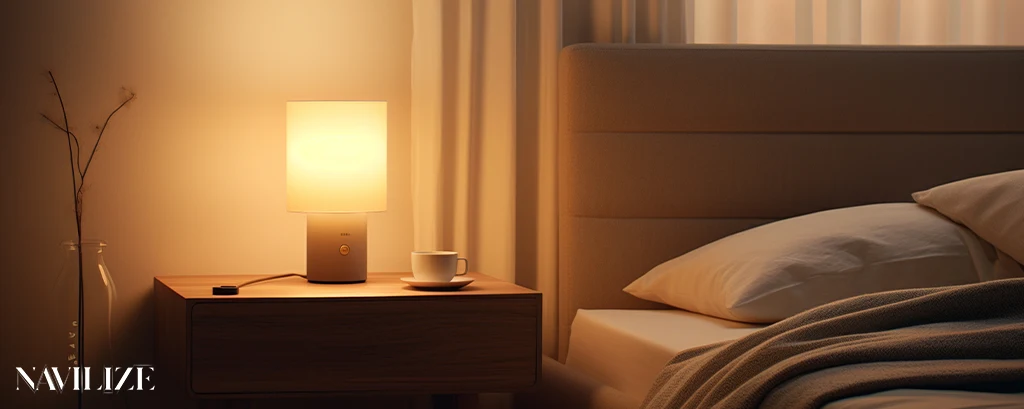
Proper nighttime lighting is essential for maintaining both health and safety at home. Poorly planned lighting can disturb sleep cycles and reduce nighttime visibility, increasing the risk of accidents. Thoughtful placement, intensity control, and color temperature adjustments create an environment that supports natural circadian rhythms. Designing with circadian lighting design principles in mind balances safety, […]
Indoor Air Quality Design: How to Create a Healthier, Allergy-Resistant Home
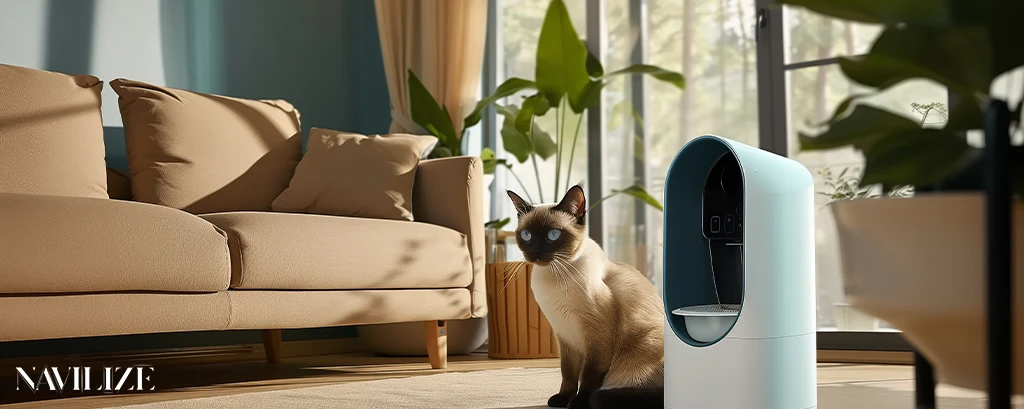
Creating a healthier living space starts with intentional design choices that influence what residents breathe daily. Indoor environments can silently accumulate dust, allergens, and chemical pollutants when ventilation, layout, and material selection are overlooked. Thoughtful furniture placement, surface finishes, and careful organization improve airflow and reduce irritants. Effective planning considers both aesthetics and functionality, balancing […]
Acoustic Interior Design for Apartments: Affordable Ways to Reduce Noise
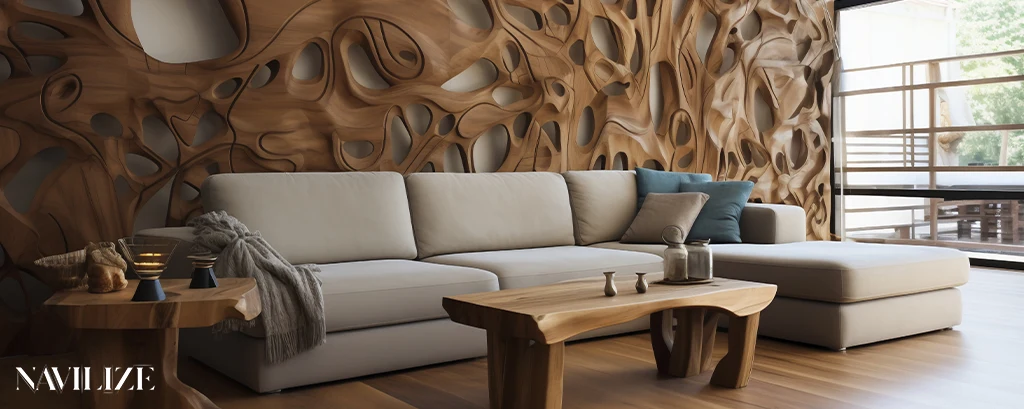
Apartment living often exposes residents to constant background noise that gradually affects concentration, sleep quality, and overall comfort. acoustic interior design focuses on controlling how sound travels, reflects, and dissipates within interior spaces, without requiring structural renovations. Instead of complete soundproofing, this approach prioritizes sound absorption, diffusion, and spatial balance. Thoughtful material selection, soft finishes, […]
Designing for Neuro diversity: ADHD & Autism-Friendly Homes
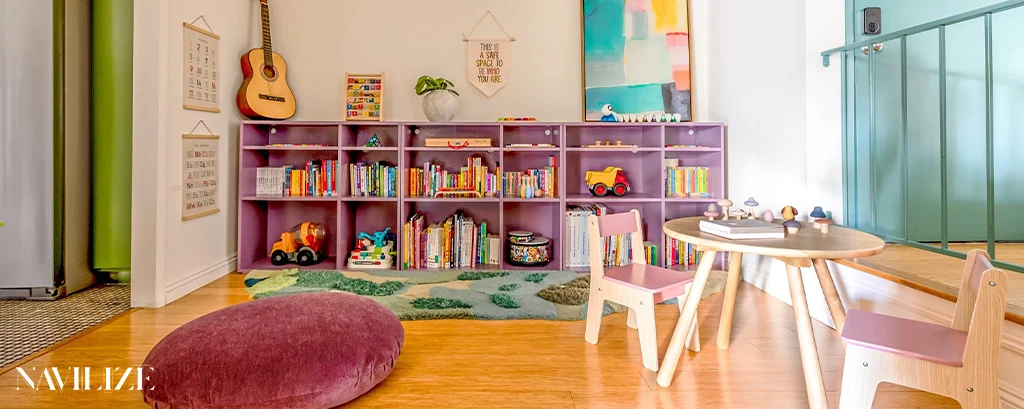
Modern homes are often designed for visual impact rather than mental comfort, which can lead to constant sensory strain. Neuro diversity interior design addresses this gap by focusing on how different brains perceive space, light, sound, and texture. Instead of overstimulation, these interiors prioritize clarity, predictability, and emotional regulation. Design decisions are guided by neurological […]
Is the Broken Plan Replacing Open-Plan Living?
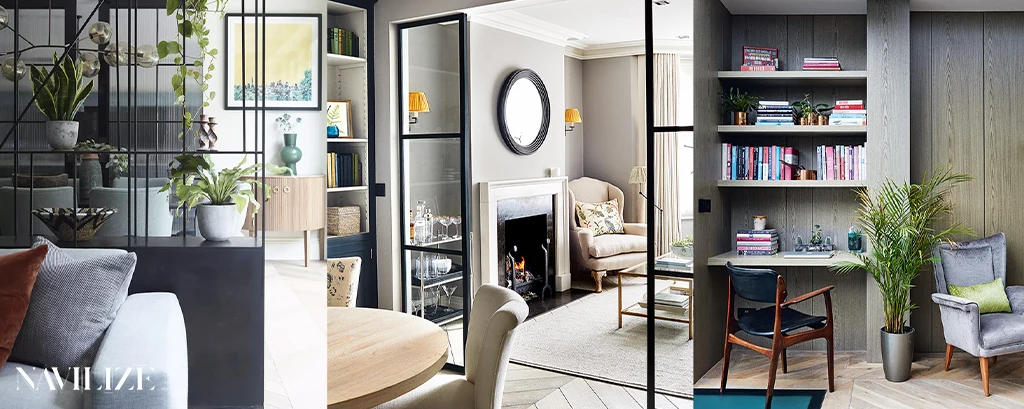
Open-plan living has long symbolized modern homes, openness, and social interaction, but evolving lifestyles are reshaping how spaces need to function. As daily routines become more layered, homeowners increasingly turn to Broken plan interior design to regain privacy without sacrificing light or flow. This approach introduces subtle separations that improve acoustics and usability while preserving […]