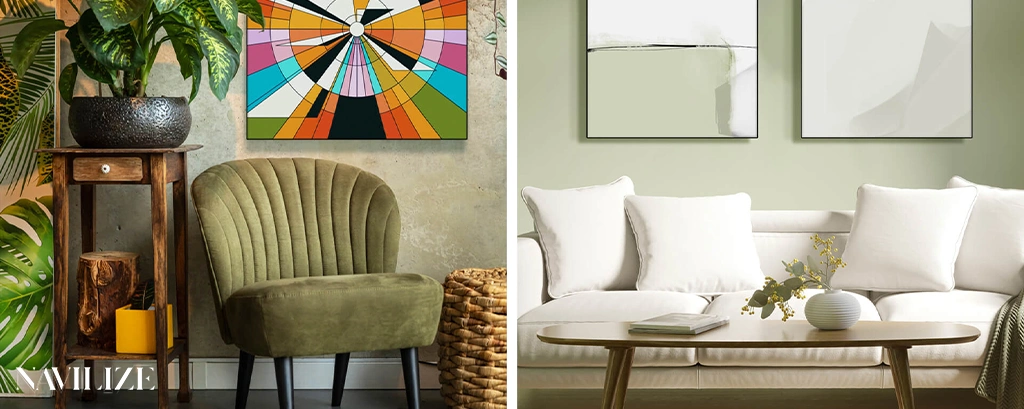
Apartment living often exposes residents to constant background noise that gradually affects concentration, sleep quality, and overall comfort. acoustic interior design focuses on controlling how sound travels, reflects, and dissipates within interior spaces, without requiring structural renovations. Instead of complete soundproofing, this approach prioritizes sound absorption, diffusion, and spatial balance. Thoughtful material selection, soft finishes, and strategic layouts can dramatically reduce echo and perceived loudness. For renters and homeowners alike, acoustic design offers affordable solutions that improve daily living while preserving aesthetics. By addressing noise at its source and within the space itself, apartments can feel calmer, more private, and significantly more comfortable.
Why Acoustics Matter in Apartment Living
Noise in apartments is not just an inconvenience; it directly influences mental health, productivity, and rest. Thin walls, shared ceilings, and compact layouts amplify everyday sounds. Using acoustic panels for homes helps manage sound reflection and reduces reverberation inside living spaces. Proper acoustic planning enhances speech clarity, minimizes echo, and creates a sense of privacy even in dense buildings. Many modern interior strategies integrate acoustic awareness into overall spatial planning, aligning with contemporary residential concepts explored in professional interior architecture frameworks such as those discussed on interior architecture platforms. When acoustics are considered early, apartments feel more balanced, functional, and emotionally comfortable.
Common Sources of Noise in Apartments
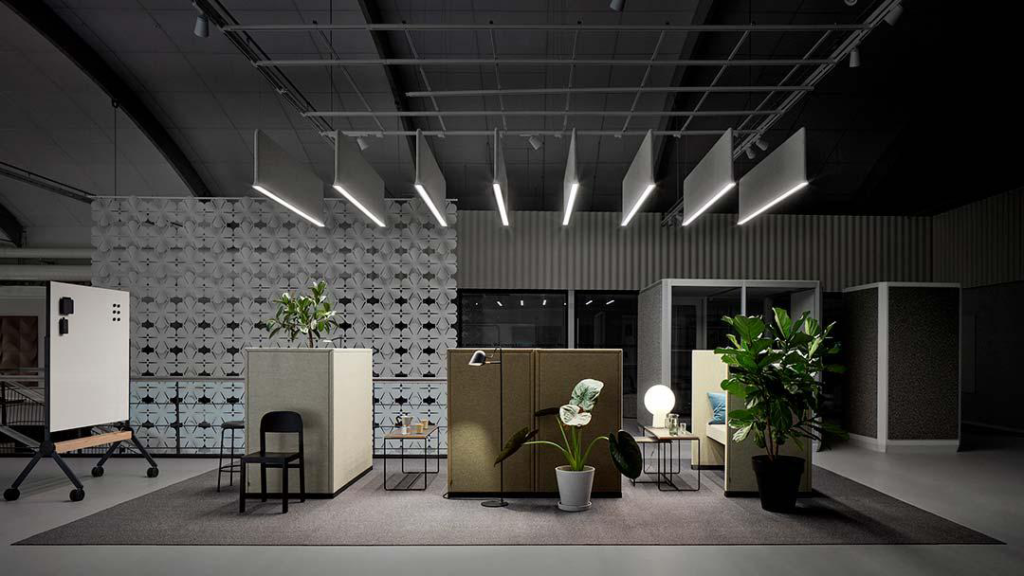
Understanding where noise originates is essential for effective apartment soundproofing. External sounds include traffic, neighbors, elevators, and street activity, while internal noise comes from appliances, footsteps, and reverberation within the unit itself. Hard surfaces such as tile floors, bare walls, and glass intensify sound by reflecting it across rooms. Open-plan layouts further increase noise spread. Interior design solutions that address these challenges are often integrated into broader residential planning approaches, similar to those applied in professional interior design services. Identifying noise sources allows designers to apply targeted solutions rather than costly, ineffective fixes.
External vs Internal Noise
External noise enters apartments through walls, windows, ceilings, and structural gaps, while internal noise is generated and amplified within the living space. Effective noise reduction at home requires addressing both types simultaneously. External noise benefits from sealing gaps, layering materials, and adding sound-absorbing surfaces near entry points. Internal noise control focuses on reducing echo and vibration through soft furnishings and strategic layouts. Treating only one source often leads to disappointing results. A balanced approach ensures quieter spaces without sacrificing natural light, airflow, or design quality.
Budget-Friendly Acoustic Design Solutions
Affordable apartment soundproofing does not rely on heavy construction or expensive materials. Instead, it uses layered solutions that absorb and soften sound. Soft finishes, textile elements, and thoughtful room planning significantly reduce noise levels. Budget-friendly acoustic strategies include adding rugs, curtains, upholstered furniture, and wall treatments that reduce sound reflection. These solutions work gradually but effectively, especially in small apartments. By combining multiple low-cost elements, residents can achieve noticeable acoustic improvement without altering the building structure or violating rental agreements.
Rugs, Curtains, and Soft Furnishings
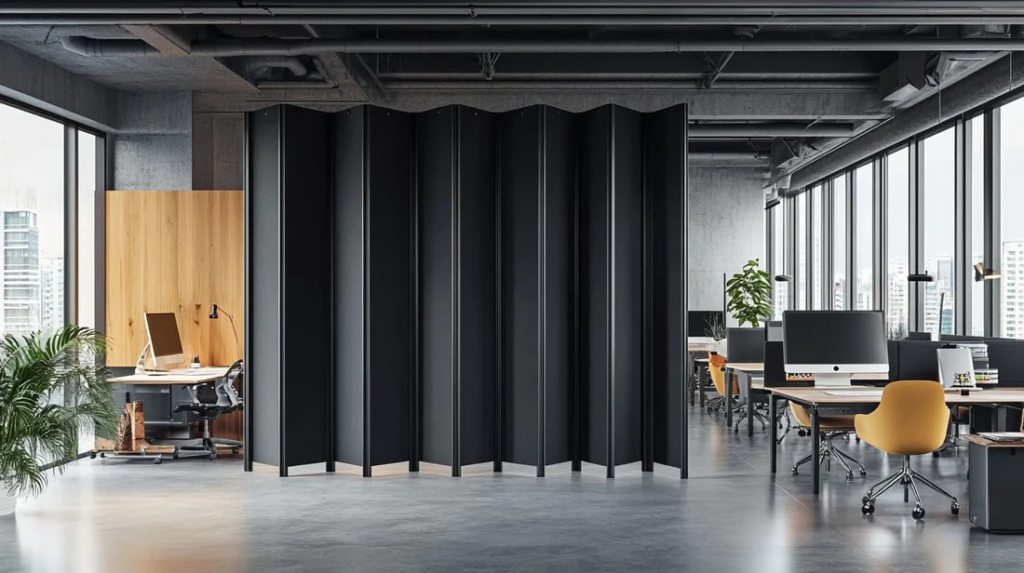
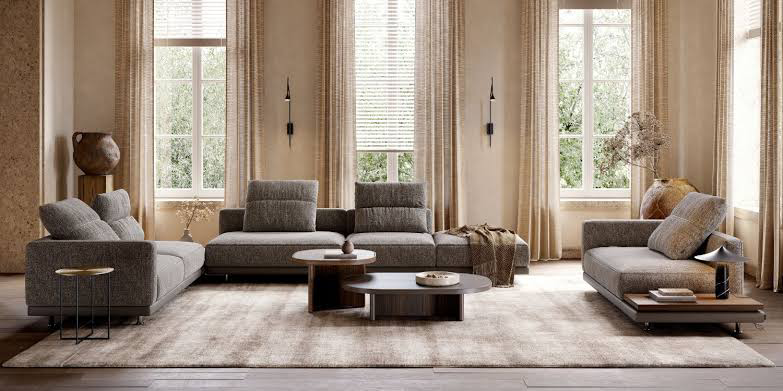
Textiles play a critical role in noise reduction at home by absorbing sound waves before they bounce across surfaces. Thick rugs reduce footstep noise and echo, especially in apartments with hard flooring. Heavy curtains limit sound transmission through windows while also controlling light. Upholstered furniture, cushions, and fabric wall hangings further soften acoustic reflections. When distributed evenly throughout the space, soft furnishings create a calmer sound environment without visually overwhelming the interior.
Wall Treatments and Acoustic Panels
Wall-based solutions are highly effective for quiet apartment design. Acoustic panels, fabric-covered boards, and decorative wall treatments absorb mid- and high-frequency sounds that cause echo. These elements can be installed without structural changes and often double as visual features. Strategic placement behind seating areas or along shared walls maximizes performance. Modern panels blend seamlessly into interior aesthetics while providing measurable acoustic improvement.
Furniture Placement for Better Sound Control
Furniture arrangement directly influences sound behavior in a room. sound absorption interiors rely on breaking up sound paths and reducing large reflective surfaces. Positioning bookshelves, sofas, and cabinets against shared walls adds mass and absorption. Avoiding large empty areas prevents sound from traveling freely. Layered furniture layouts create acoustic barriers that enhance privacy and comfort. Thoughtful placement transforms ordinary furnishings into functional sound-control tools.
Mistakes That Make Apartments Louder
Many design choices unintentionally increase noise levels. Excessive hard surfaces, minimal furniture, and glossy finishes amplify sound reflections. Ignoring acoustic balance undermines even well-intended layouts. Proper acoustic interior design avoids empty spaces, untreated walls, and overly open plans. Instead, it emphasizes material variety and spatial zoning. Correcting these common mistakes can dramatically improve apartment acoustics without major investment.