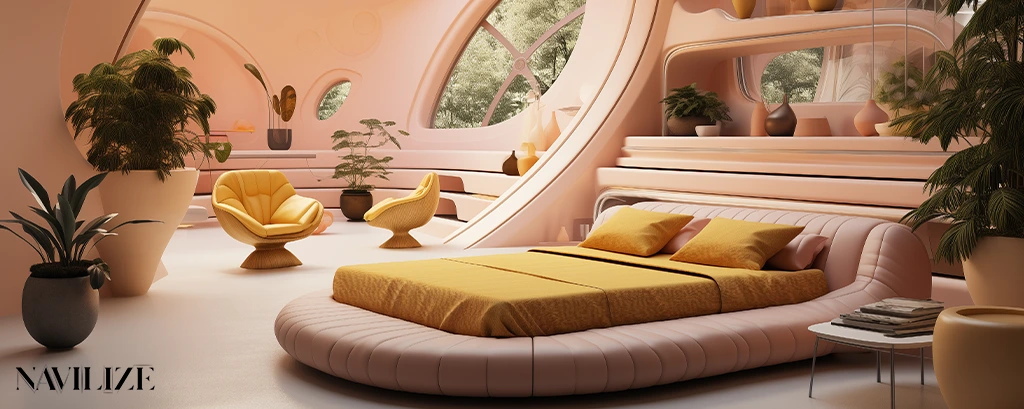
Designing homes for aging residents requires careful planning that balances safety, comfort, and style. Spaces should accommodate mobility changes, prevent accidents, and support daily activities without compromising aesthetics. Thoughtful layout, furniture selection, and accessible pathways enhance functionality while maintaining visual appeal. Incorporating ergonomic solutions ensures independence and ease of use. Implementing adaptive living design creates environments that are practical, safe, and stylish, allowing older adults to remain in their homes longer. Integrating safety features, accessible layouts, and elegant finishes provides both convenience and a high-quality living experience for all generations.
What Is Adaptive and Universal Design?
Adaptive and universal design focuses on creating spaces that are functional for people of all ages and abilities. These design principles emphasize accessibility, flexibility, and inclusivity while preserving style. Features such as zero-step entrances, adjustable fixtures, and thoughtfully arranged layouts make homes easier to navigate. Implementing universal design homes ensures spaces accommodate changing mobility, vision, and dexterity needs. Integrating these principles aligns with accessible and inclusive homes that support aging in place, enhance comfort, and remain attractive, functional, and user-friendly over time.
Common Challenges in Aging Homes
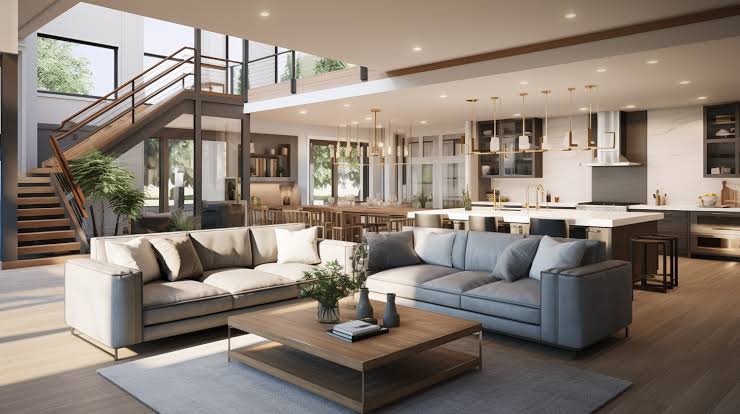
Older homes often present obstacles that reduce safety and independence. Narrow hallways, uneven flooring, poor lighting, and inaccessible bathrooms or kitchens increase fall risk. Furniture placement, clutter, and restricted circulation can exacerbate difficulties. Addressing these problems through thoughtful planning of aging in place interiors improves mobility and reduces hazards. Professional strategies demonstrated in interior design solutions show how reconfiguring layouts, updating finishes, and incorporating accessibility features can transform older homes. Early intervention ensures residents maintain autonomy, comfort, and safety while reducing long-term modifications and maintenance challenges.
Key Design Features for Aging in Place
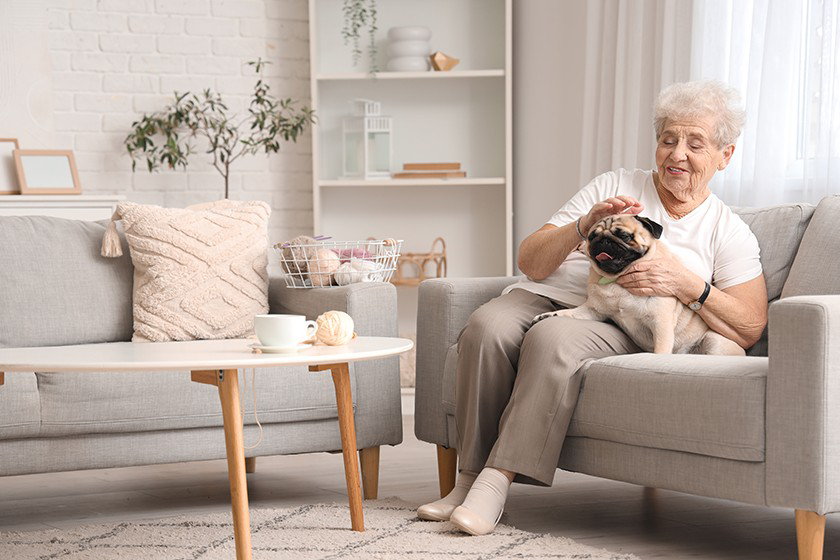
Successful aging-in-place design integrates accessibility, safety, and comfort. Features like wide hallways, lever handles, non-slip flooring, and proper lighting reduce accidents and support independence. Open layouts and ergonomic furniture enhance mobility and usability. Thoughtful accessible interior design balances functionality and aesthetics, ensuring spaces remain comfortable and visually appealing. Early incorporation of these features allows homes to accommodate changing needs without compromising style. Coordinating accessibility with design creates long-term usability, promotes independence, and integrates safety seamlessly, providing a practical, elegant living environment that supports residents as they age.
Flooring, Lighting, and Circulation
Flooring, lighting, and circulation are crucial for safe, comfortable living. Non-slip floors, smooth transitions, and consistent illumination reduce fall risks while maintaining aesthetic appeal. Proper lighting supports navigation day and night, while clear, unobstructed pathways enhance mobility. Strategically placed fixtures improve safety and usability. Implementing senior-friendly home design ensures residents move confidently throughout the home. Coordinating flooring, lighting, and circulation creates elegant, functional spaces that support both safety and comfort, enabling older adults to perform daily activities independently while enjoying modern, visually appealing interiors.
Bathrooms and Kitchens
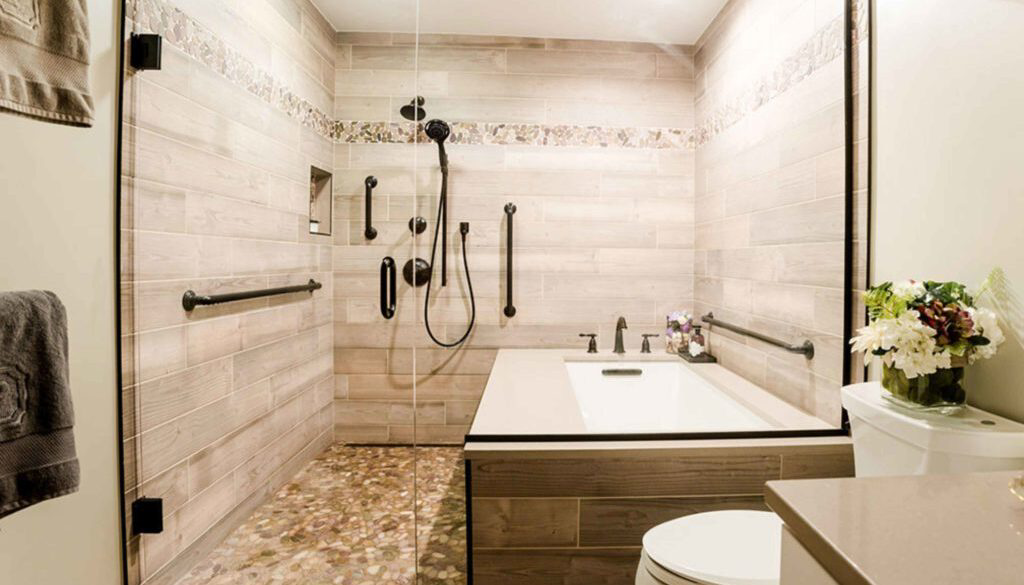
Bathrooms and kitchens are critical areas for aging residents. Grab bars, walk-in showers, non-slip flooring, adjustable countertops, and lever-style fixtures improve safety and usability. Thoughtful layouts reduce strain and increase accessibility for daily tasks. Storage solutions within easy reach prevent accidents and support independence. Implementing stylish aging homes principles ensures these spaces are not only functional but also visually appealing. Coordinating fixtures, finishes, and safety measures creates a balanced environment where residents can move confidently and perform tasks comfortably, maintaining both practicality and elegance in the most important functional areas of the home.
How to Make Adaptive Design Look Modern and Elegant
Adaptive homes do not need to sacrifice style for accessibility. Selecting appropriate materials, finishes, and furnishings allows spaces to remain visually appealing while integrating ergonomic and safety features. Open layouts, well-coordinated colors, and elegant lighting enhance both aesthetics and functionality. Subtle incorporation of ramps, handrails, and accessible features blends seamlessly with modern design. Implementing adaptive living design ensures homes are safe, functional, and stylish, supporting aging in place without compromising visual appeal. Balancing accessibility and elegance provides residents with a comfortable, modern environment that accommodates changing needs gracefully.