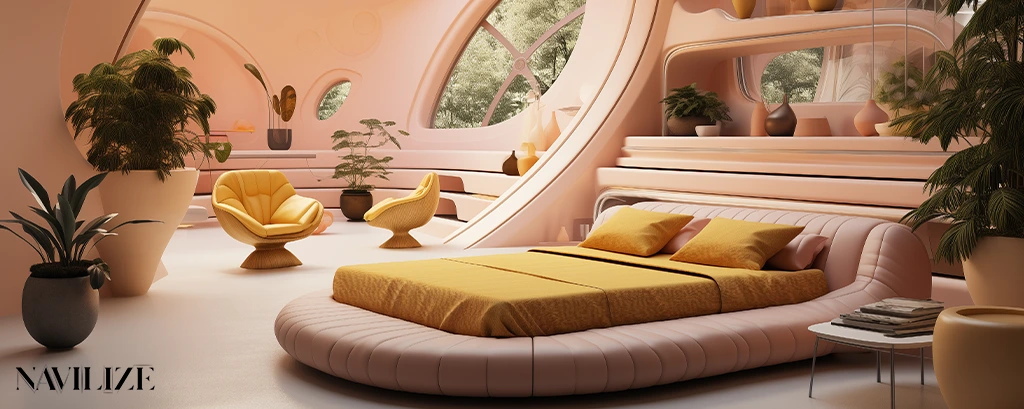
Designing homes for real life means accepting that perfection is unrealistic. Interior design for messy lives focuses on flexibility, forgiveness, and adaptability rather than constant tidiness. Homes should support daily routines, emotional comfort, and quick recovery from disorder. Durable materials, smart storage, multi-functional furniture, and layouts that hide clutter without effort allow people to live freely without stress. Instead of forcing ideal behavior, this approach designs around reality—kids, work, hobbies, fatigue, and spontaneity. When spaces work with life rather than against it, homes become supportive environments that feel livable, humane, and emotionally sustainable over time.
What “Messy Life” Really Means
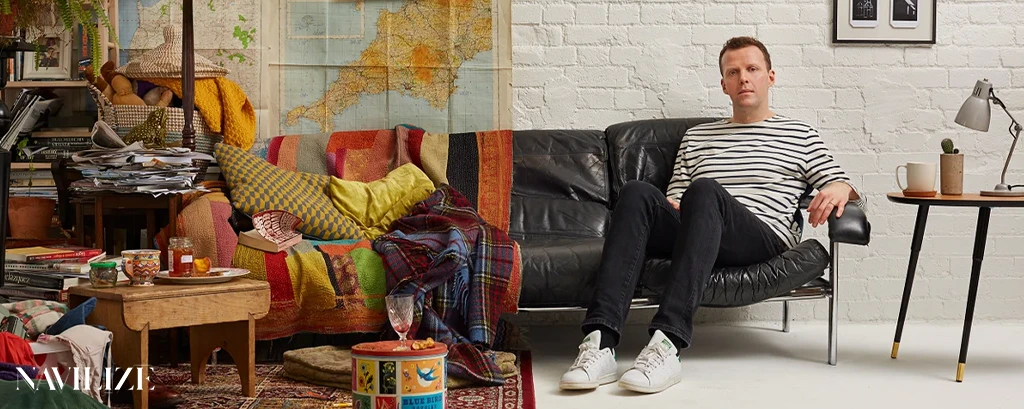
A “messy life” does not mean careless or disorganized—it means active, full, and human. It includes busy workdays, emotional ups and downs, shared spaces, creative chaos, and moments when cleaning is not the priority. Designing for this reality means recognizing limits and designing systems that absorb disorder gracefully. Storage that is easy to access, layouts that allow quick resets, and materials that age well all support real living. Thoughtful design accepts imperfection as normal. To explore human-centered approaches to real-life spaces, visit Navilize.
Expectations vs Reality
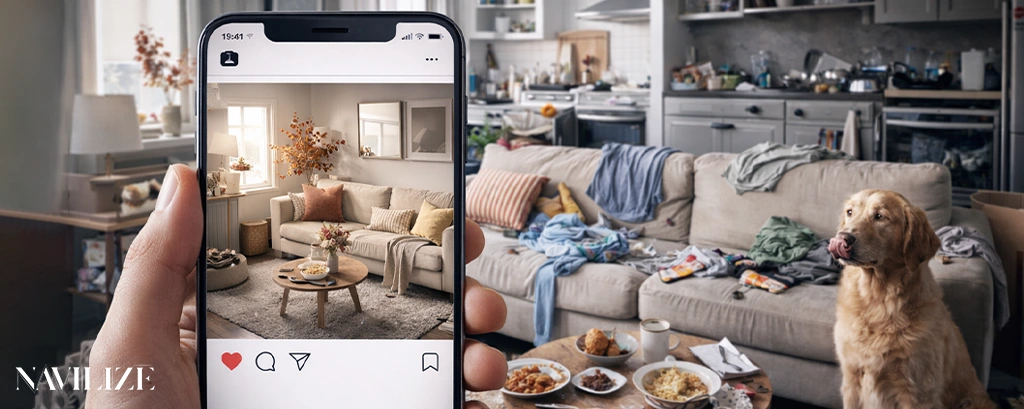
Many homes are designed for photos, not for living. Perfect staging rarely matches daily reality, where items move, pile up, and change constantly. The gap between expectation and reality often creates guilt and frustration. Good design closes that gap by planning for overflow, clutter zones, and flexible use. Practical storage, forgiving finishes, and adaptable layouts help homes stay functional without constant effort. This is where professional interior design shifts focus from appearance to usability, creating spaces that support real routines instead of unrealistic ideals.
Design Principles for Practical Living
Practical living starts with designing spaces that accept daily disorder without creating stress. Interior design for messy lives prioritizes function, durability, and ease over constant perfection. Clear circulation, flexible layouts, and furniture that serves multiple purposes help homes adapt to changing routines. Design should reduce the effort required to reset a space after a long day. When principles focus on usability rather than appearance alone, the home becomes supportive instead of demanding, allowing people to live comfortably without feeling pressured to maintain unrealistic standards of order.
Easy-Clean Materials
Material choice plays a major role in low-effort living. In interior design for messy lives, easy-clean materials such as washable paints, sealed wood, performance fabrics, and matte finishes help manage spills, dust, and daily wear. These surfaces hide fingerprints and minor imperfections while remaining durable over time. Choosing materials that age gracefully reduces anxiety around mess and maintenance. When cleaning is faster and less frequent, the home stays functional and welcoming even during busy periods, supporting a relaxed and realistic lifestyle.
Hidden Storage Solutions
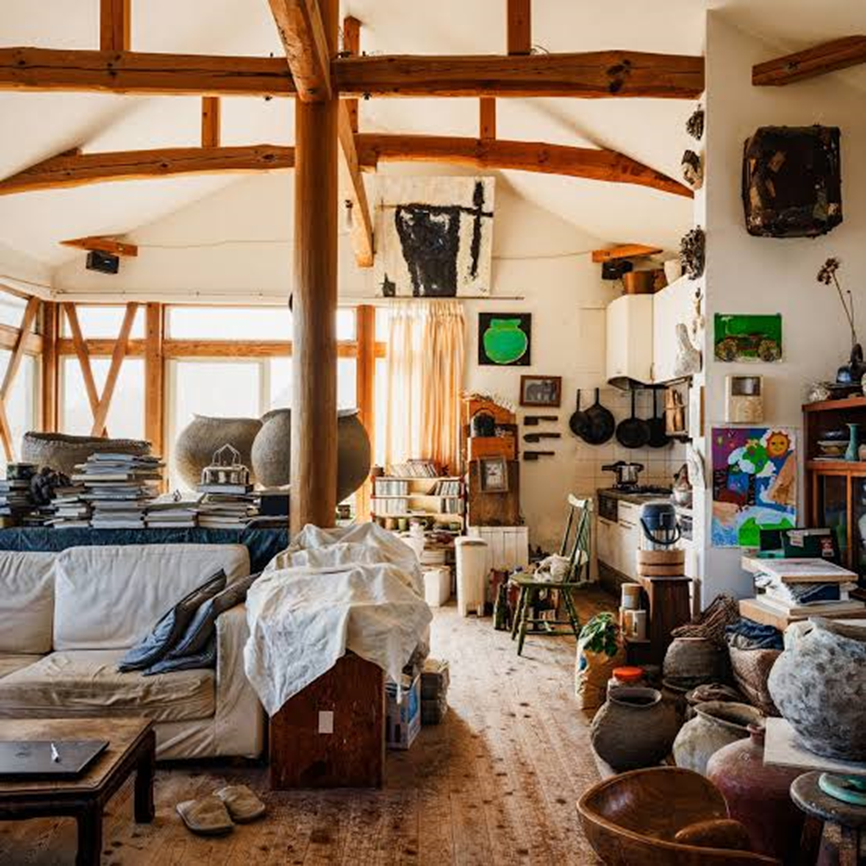
Hidden storage is essential for maintaining visual calm without constant tidying. Interior design for messy lives uses built-in cabinets, storage benches, concealed shelves, and multi-functional furniture to absorb clutter quickly. The goal is not minimalism, but rapid recovery—being able to clear surfaces in minutes. Storage should be intuitive, accessible, and located where mess naturally occurs. When storage works with daily habits, disorder becomes temporary, not overwhelming, and the home remains comfortable, flexible, and easy to live in.
Kid & Pet-Friendly Design Tactics
Designing for children and pets means accepting noise, movement, spills, and constant change as normal. Interior design for messy lives focuses on safety, durability, and emotional comfort rather than perfection. Rounded furniture edges, washable textiles, and flexible layouts help homes adapt to unpredictable daily moments. Floors and walls should tolerate impact and activity without showing damage immediately. Storage placed at reachable heights encourages independence for kids and easier cleanup for adults. When design supports play, rest, and recovery equally, families spend less time managing the space and more time actually living in it without stress or guilt.
Durable Surfaces
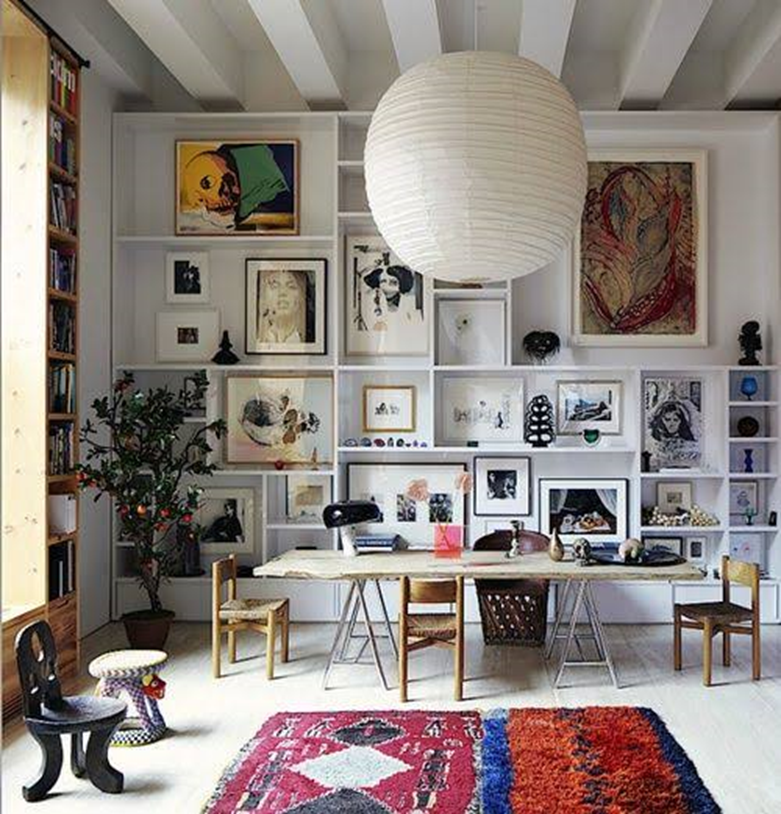
Durability is the foundation of practical interior design in active households. Surfaces must withstand scratches, moisture, impact, and frequent cleaning without losing their appearance. Materials like engineered wood, porcelain tile, quartz countertops, and performance laminates are ideal for long-term use. Matte finishes hide wear better than glossy ones, and textured materials reduce visible damage. Choosing durability upfront prevents constant repairs and replacements later. When surfaces are resilient, families feel more relaxed using their home freely, knowing everyday accidents will not permanently ruin the space or create extra maintenance burdens.
Stain-Resistant Choices
In busy households, stain resistance is essential for low-maintenance homes. Upholstery, rugs, and wall finishes should tolerate spills, dirt, and frequent contact. Performance fabrics, washable slipcovers, sealed grout, and scrub-friendly paints reduce anxiety around mess. Darker or mixed tones also help hide marks between cleanings. These choices do not limit style; they simply make it more forgiving. When materials resist stains naturally, cleaning becomes quicker and less emotionally draining, allowing families to enjoy their space without constant worry about accidents or visual imperfections.
Layout Tips That Reduce Clutter
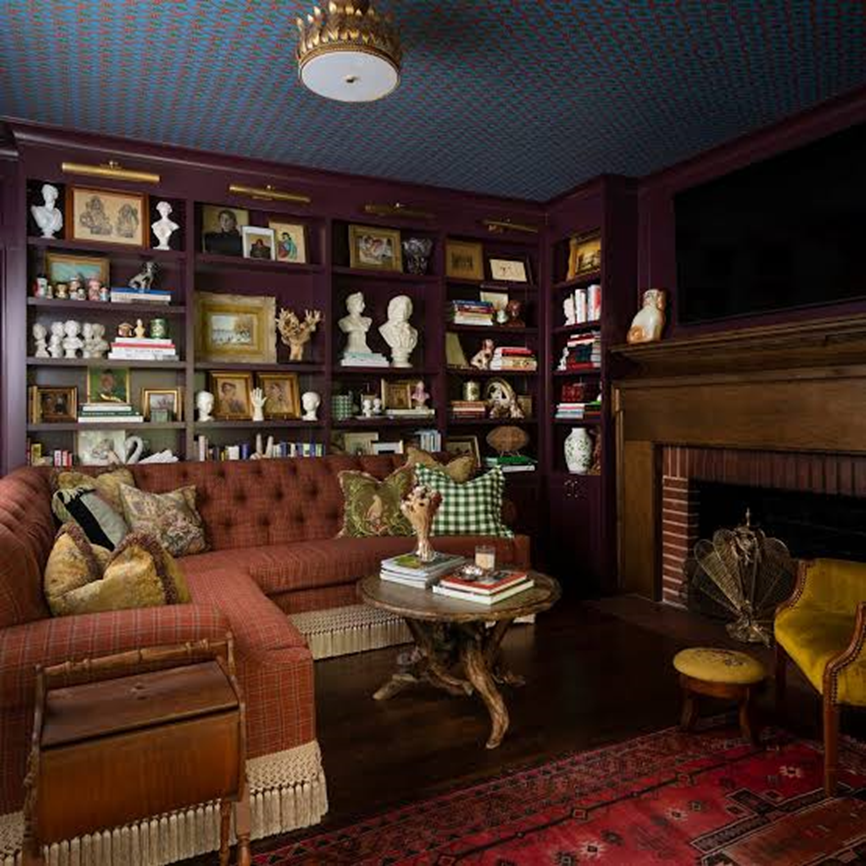
A thoughtful layout is central to design for real families. Clutter often results from poor circulation and unclear zones rather than lack of storage. When entry points, seating areas, and activity zones are logically arranged, items naturally land where they belong. Furniture placement should support daily routines like arriving home, eating, playing, and resting. Wide pathways, defined zones, and nearby storage reduce pile-ups. A layout that matches real movement patterns lowers frustration and helps the home reset itself more easily throughout the day.
Logical Zones
Creating logical zones is a core strategy in practical interior design. Each activity—work, play, rest, storage—needs a clearly defined place. When zones overlap without intention, mess spreads quickly. Visual cues such as rugs, lighting, or furniture orientation help define boundaries without walls. Storage should be placed directly within each zone to support quick cleanup. Logical zoning reduces decision fatigue and helps all family members understand how the space works, making daily organization more intuitive and less effort-driven.
Spill-Proof Areas
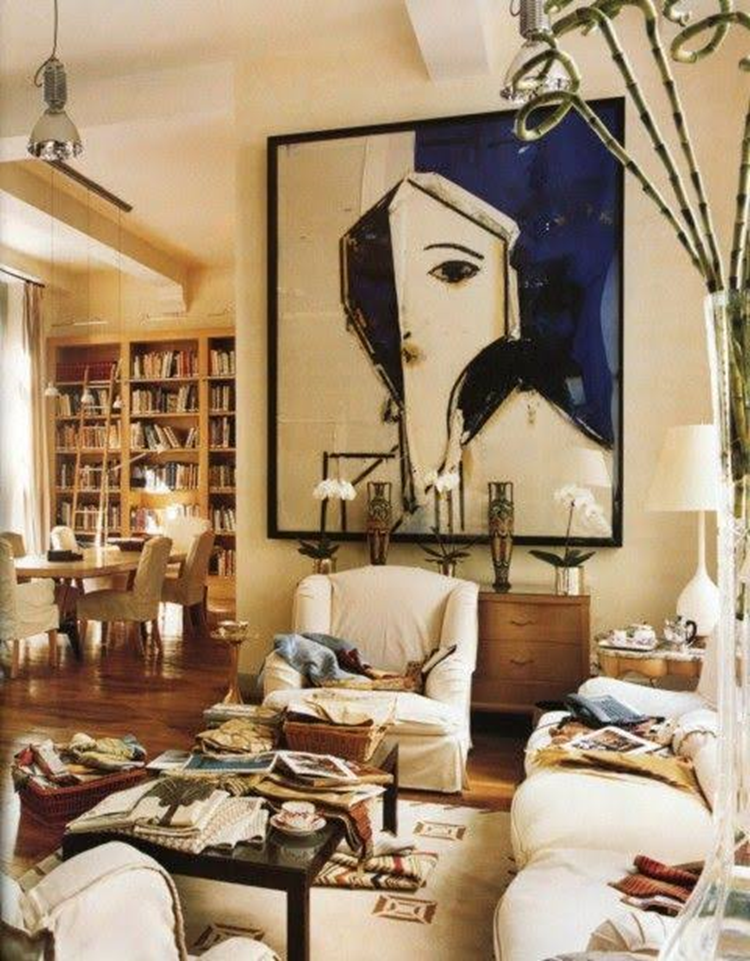
Designating spill-prone areas supports low-maintenance homes by containing mess where it is easiest to manage. Kitchens, dining spaces, and play zones benefit from waterproof flooring, wipeable surfaces, and easy-access cleaning tools. Rugs should be washable, and furniture legs should tolerate moisture. Creating boundaries between spill zones and quieter areas prevents mess from spreading. When spills are expected and planned for, stress decreases. The home feels more forgiving, allowing families to focus on shared moments instead of constant damage control.
Conclusion
Ultimately, successful interior design for messy lives is about realism, not compromise. Homes should support energy, relationships, and routines rather than demand constant control. By prioritizing durability, clear layouts, and forgiving materials, living spaces become partners in daily life. Mess becomes temporary instead of overwhelming. When design aligns with how people actually live, the home feels calmer, easier to maintain, and emotionally supportive. A well-designed home does not eliminate chaos—it absorbs it gracefully, allowing families to live fully without feeling behind or overwhelmed.