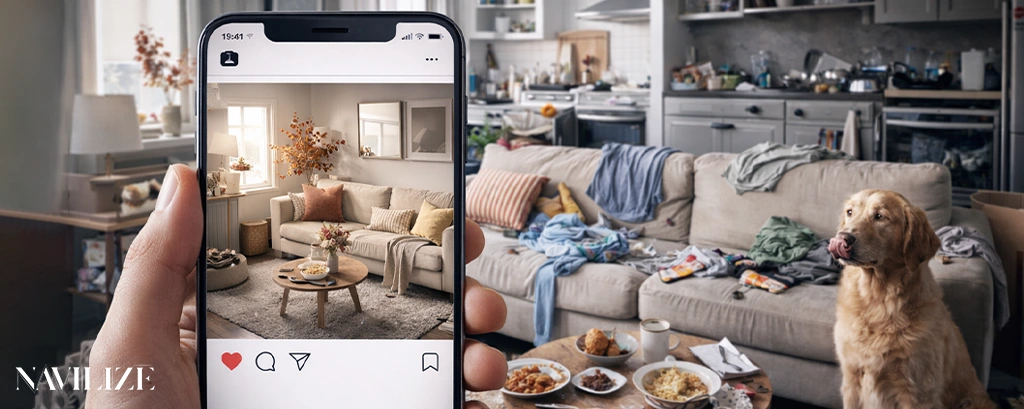
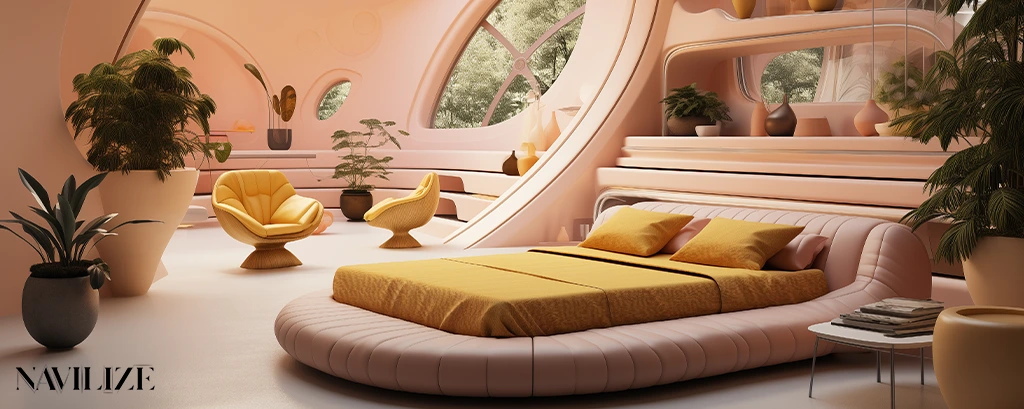
Choosing between dopamine decor vs quiet luxury comes down to how you want your space to make you feel every day. Dopamine decor aims to energize through bold colors, playful patterns, and expressive elements that spark joy. Quiet luxury, in contrast, focuses on restraint, craftsmanship, and subtle elegance. One stimulates, the other soothes. Neither is objectively better; each serves different emotional needs and lifestyles. Understanding this contrast helps homeowners avoid trend-driven decisions and instead choose a direction that aligns with personality, stress levels, and long-term comfort rather than short-term visual excitement alone.
What Is Dopamine Decor?
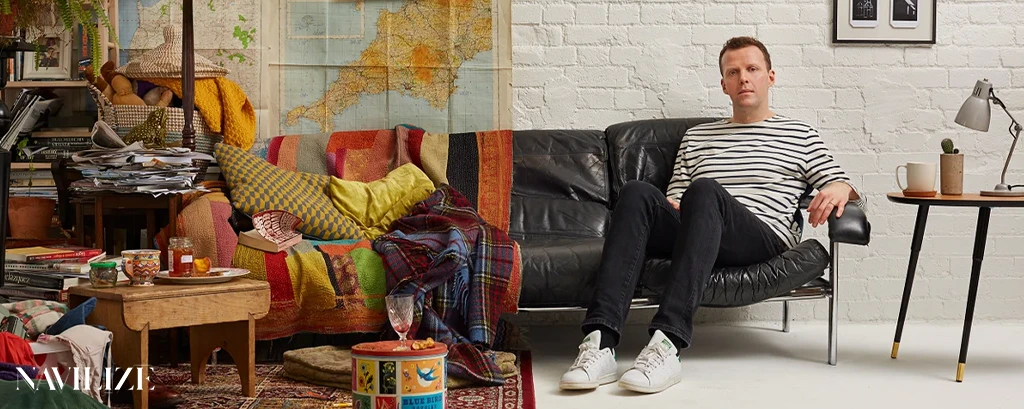
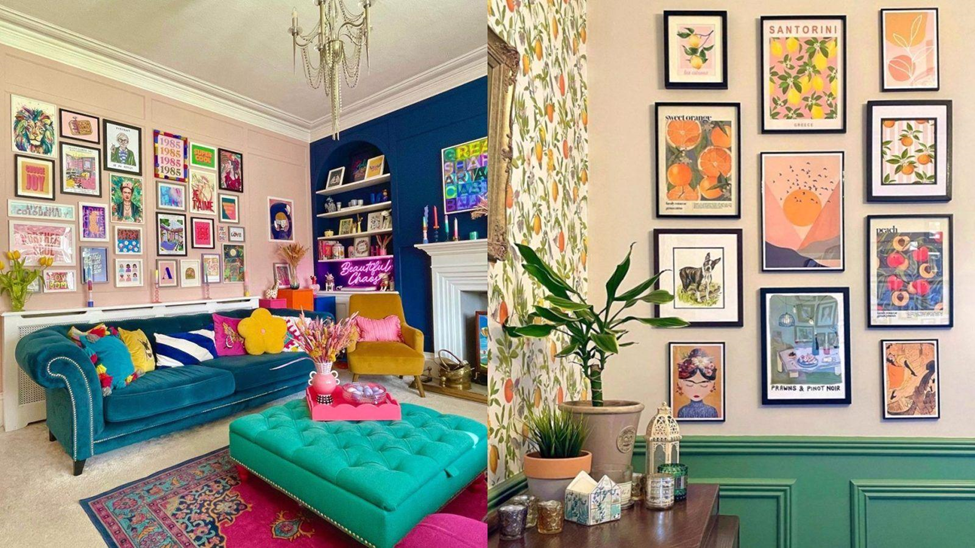
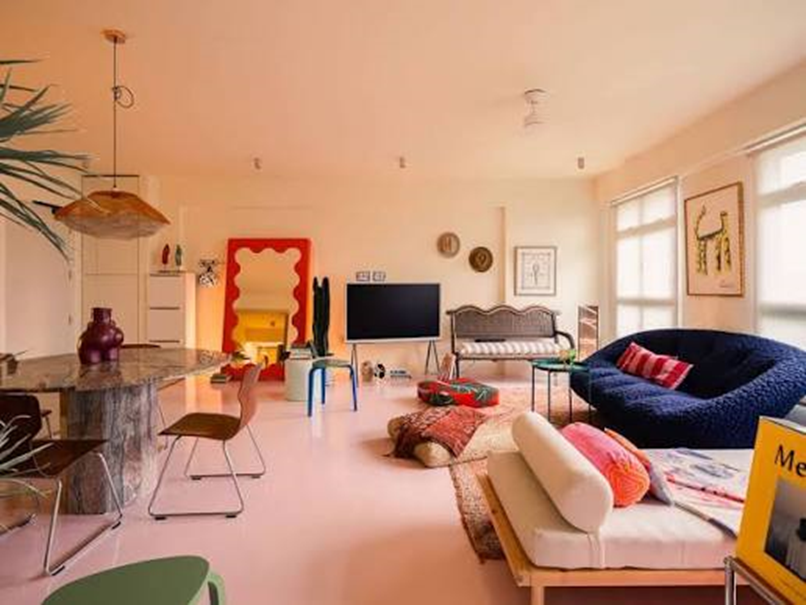
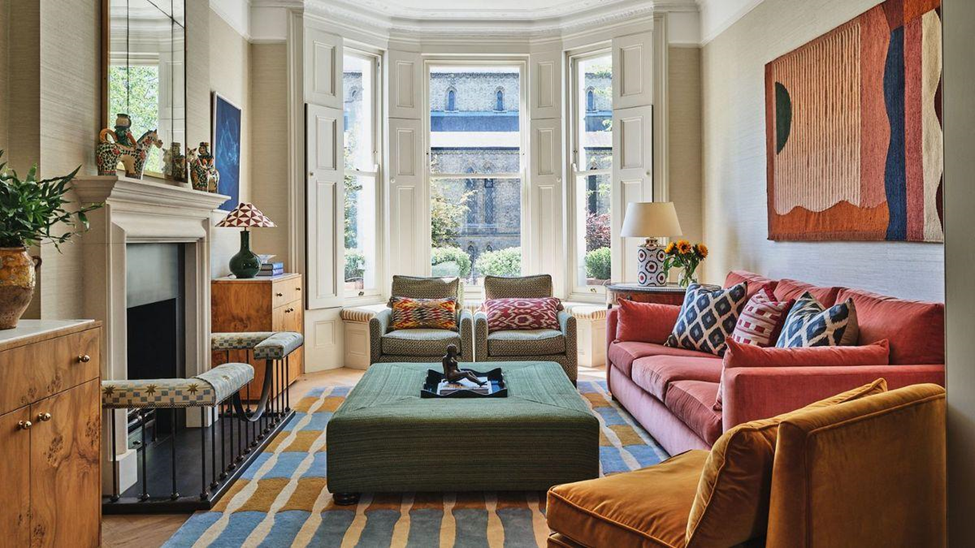
Dopamine decor is a design approach centered on happiness, self-expression, and emotional uplift through color and form. Within the conversation of dopamine decor vs quiet luxury, this style embraces vibrant palettes, nostalgic references, quirky furniture, and playful contrasts. The goal is to trigger positive emotional responses and personal joy rather than follow strict aesthetic rules. Spaces feel energetic, expressive, and highly individualized. Dopamine decor often reflects identity and mood, making homes feel emotionally engaging. To explore how personality-driven design can still feel intentional and balanced, visit Navilize.
Origins & Characteristics
The rise of dopamine decor vs quiet luxury reflects broader cultural shifts. Dopamine decor emerged from social media, post-pandemic self-care, and a desire for emotional comfort through environment. Its characteristics include saturated colors, mixed patterns, statement art, and unexpected combinations. Quiet luxury, on the other hand, grew from heritage brands, craftsmanship, and understated wealth. While dopamine decor celebrates visibility and emotion, quiet luxury values discretion and timelessness. Understanding these origins helps explain why each style appeals to different generations, lifestyles, and emotional priorities in contemporary interior design.
Visual Impact
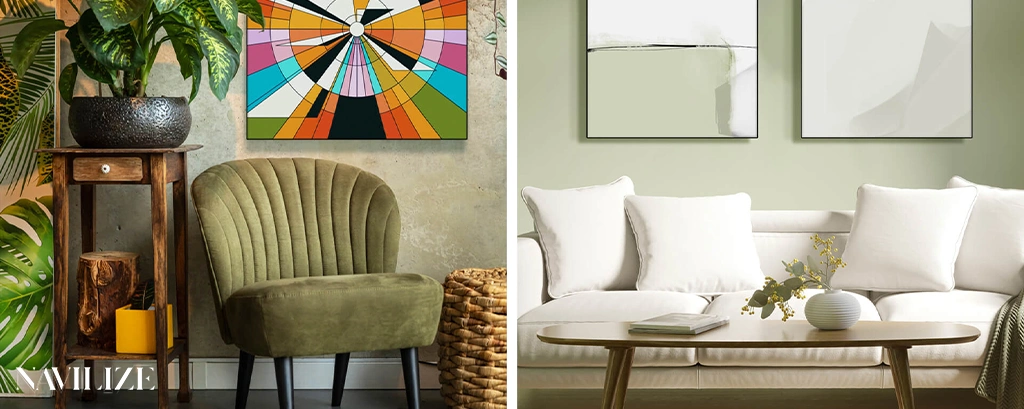
Visually, dopamine decor vs quiet luxury creates two completely different experiences. Dopamine decor is immediately eye-catching, dynamic, and often unpredictable. It invites interaction and curiosity through contrast and boldness. Quiet luxury presents a calmer visual field, using neutral tones, refined textures, and subtle variation to create depth without noise. Dopamine decor makes a statement at first glance, while quiet luxury reveals itself slowly over time. The visual impact directly influences how stimulating or calming a space feels, shaping daily mood and sensory experience.
What Is Quiet Luxury?
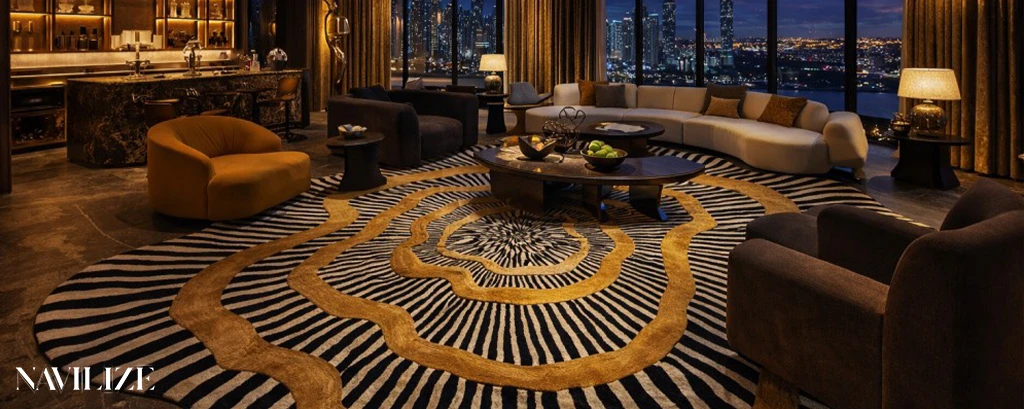
Quiet luxury is a design philosophy rooted in subtlety, quality, and restraint. Unlike trend-driven aesthetics, it avoids obvious branding or visual excess. In contrast to the dopamine decor trend, quiet luxury relies on refined materials, thoughtful proportions, and timeless forms. The focus is on how a space feels rather than how loudly it presents itself. Interiors feel calm, balanced, and enduring. This approach appeals to those who value longevity, emotional ease, and environments that age gracefully without constant updates or visual stimulation.
Key Elements
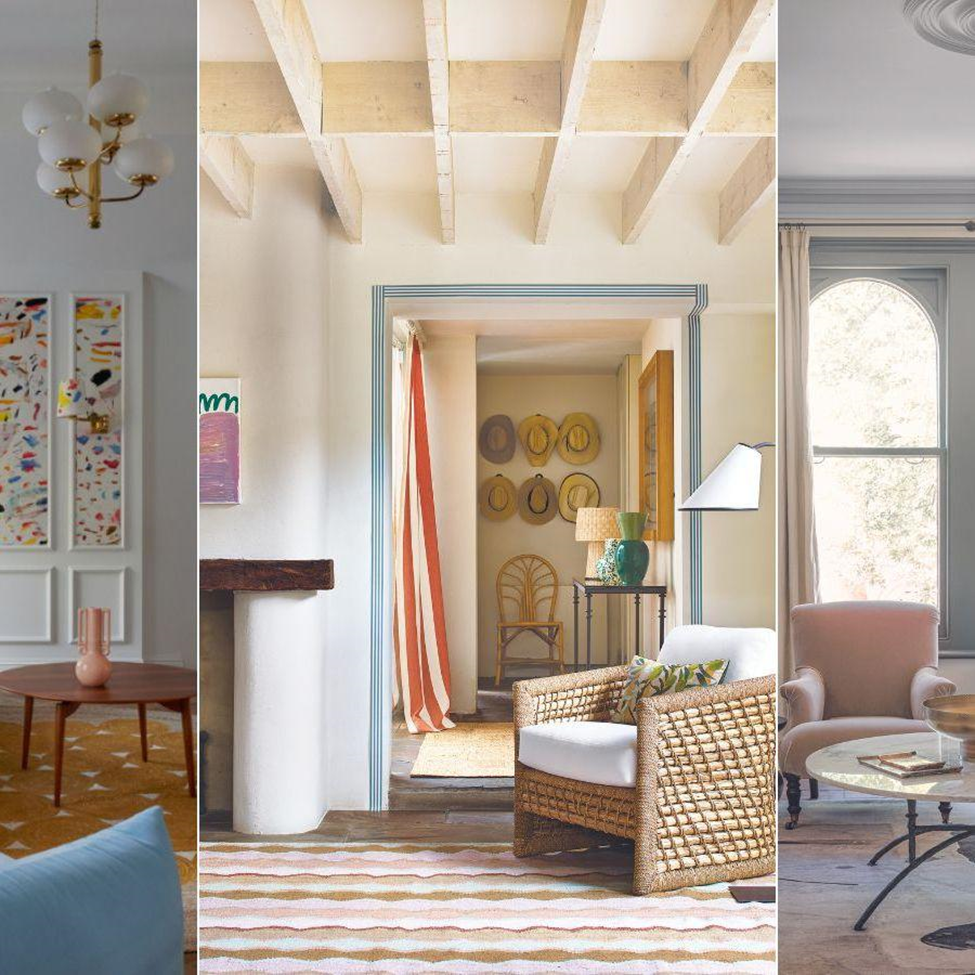
Key elements of quiet luxury include natural materials, muted color palettes, precise detailing, and high-quality craftsmanship. In response to the dopamine decor trend, quiet luxury intentionally avoids visual overload. Wood, stone, linen, and wool are commonly used to create warmth without excess. Furniture silhouettes are simple but elegant, and décor is minimal yet meaningful. Lighting is soft and layered, enhancing atmosphere rather than drawing attention. Every element is chosen for longevity and sensory comfort, resulting in spaces that feel cohesive, calm, and quietly confident.
Emotional Response
The emotional experience of a quiet luxury interior is grounded in calm, safety, and mental clarity. These spaces reduce sensory noise and encourage slower, more mindful living. Unlike high-energy environments, quiet luxury supports emotional regulation and long-term comfort. Residents often report feeling less stressed and more focused. The restrained aesthetic allows the mind to rest, making the home feel like a refuge rather than a source of stimulation. Emotional response becomes subtle but lasting, built on consistency, comfort, and trust in the space rather than constant excitement.
Trend Longevity Factors
When evaluating long-term relevance, dopamine decor vs quiet luxury reveals two very different durability paths. Dopamine decor relies heavily on emotional impact, novelty, and cultural mood, which can fade as tastes shift. Quiet luxury, by contrast, is rooted in craftsmanship, restraint, and timeless materials, allowing it to age more gracefully. Longevity depends on adaptability, material quality, and emotional sustainability rather than visual shock. Trends that demand constant change tend to burn out faster, while those that support comfort and consistency remain relevant longer. Understanding longevity factors helps homeowners invest in interiors that still feel right years later, not just exciting in the moment.
Market Demand
Current market demand strongly reflects the rise of the dopamine decor trend, especially among younger audiences seeking self-expression and emotional uplift. Social media visibility, short-form content, and influencer culture have amplified this demand, making bold interiors highly shareable. However, demand is often reactive and cyclical. As economic uncertainty grows, buyers tend to shift toward calmer, more reassuring environments. While dopamine decor performs well in trend-driven markets, its demand fluctuates more than styles rooted in long-term comfort. Market demand alone should not dictate design choices, but it does explain why certain aesthetics dominate specific periods.
Cost & Accessibility
From a cost perspective, a quiet luxury interior often requires higher upfront investment due to premium materials, skilled craftsmanship, and custom details. These spaces prioritize longevity over quantity, which can make them less accessible initially. However, they often prove cost-effective over time because they age well and need fewer updates. Accessibility depends on budget, sourcing, and regional availability of quality materials. While not always affordable to everyone, quiet luxury can be adapted at different scales by focusing on fewer, better choices rather than complete transformations, making its core principles more attainable than they first appear.
Case Study Examples
Real-world projects highlight clear contrasts through trend comparison design analysis. In one apartment renovation, a bold, colorful interior initially boosted mood and social engagement but required frequent updates as tastes evolved. In another case, a restrained, material-focused home maintained relevance for over a decade with minimal changes. Occupants reported lower stress and stronger emotional attachment. These examples show how design outcomes differ not just visually, but emotionally and financially. Case studies reveal that success depends less on trend adoption and more on alignment with lifestyle, maintenance capacity, and long-term expectations.
Conclusion
Ultimately, choosing between approaches comes down to understanding dopamine decor vs quiet luxury beyond aesthetics. One prioritizes emotional stimulation and immediacy, while the other emphasizes calm, longevity, and subtlety. Neither is inherently superior; each serves different psychological and practical needs. The most successful interiors often borrow selectively, blending expressive moments with grounding elements. By considering longevity, cost, emotional response, and lifestyle fit, homeowners can move past trend pressure and make informed decisions. Design becomes more meaningful when it supports daily life over time, not just visual impact in the present.