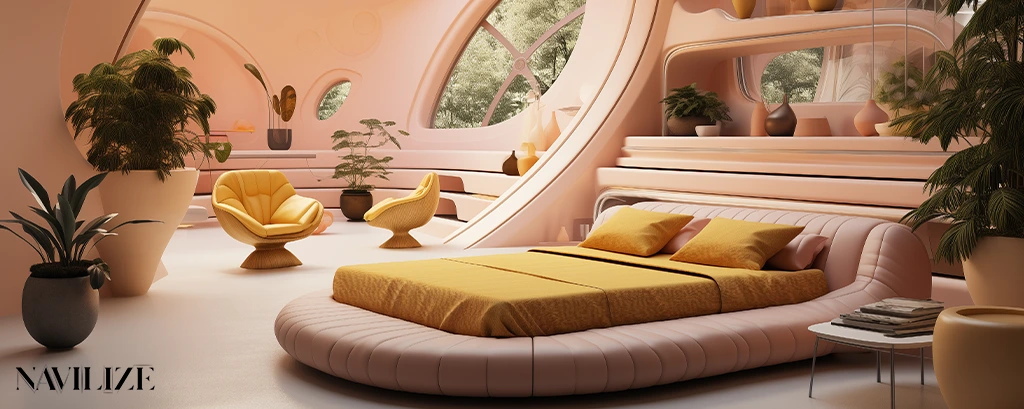
Choosing the right home interior design style is essential for creating a space that feels personal, comfortable, and visually balanced. Begin by identifying the mood you want your home to evoke: calm and minimal, warm and classic, or bold and modern. Consider key elements like color palettes, textures, lighting, and furniture shapes, as these define the overall character of your space. Don’t forget to factor in functionality, room size, and your budget. By understanding the hallmarks of various styles and aligning them with your lifestyle, you’ll confidently select a design that truly suits you.
Why Choosing the Right Interior Design Style Matters

source: vecteezy.com
Choosing the right interior design style is essential for creating a home that feels harmonious, functional, and visually consistent. A clear style helps you select furniture, colors, and décor with confidence, avoiding mismatches and unnecessary expenses. It also ensures that each room supports your lifestyle and creates a comfortable atmosphere that reflects your personality. To explore more about creating a cohesive home, visit thehomepage. For professional guidance or tailored solutions, check the detailed interior design service page, where you can find expert support for transforming your space with a well-defined and personalized style.
How Style Impacts Comfort, Flow, and Functionality
The way you organize and style your space profoundly influences its comfort and practicality. A well-defined design enhances flow between rooms, optimizes furniture placement for everyday tasks, and cultivates a serene visual environment free of chaos. Strategic choices in color, layout, and materials can make even compact areas feel expansive and efficient. When your interior style aligns with your lifestyle, your home becomes both aesthetically pleasing and highly functional.
The Most Popular Interior Design Styles Explained
source: vecteezy.com
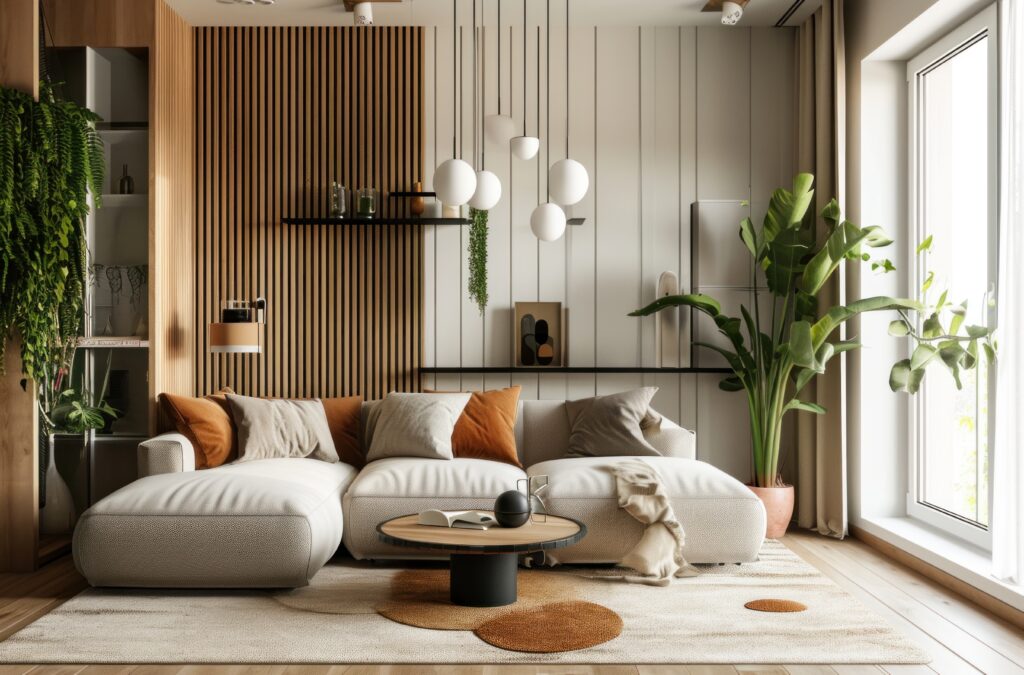
Understanding today’s most popular interior design styles helps you create a home that feels cohesive, functional, and visually appealing. Each style has its own personality, textures, and design principles, allowing you to shape a space that truly matches your lifestyle. Learning these styles will make choosing interior design style much easier and more confident.
Modern and minimalist
Modern minimalist design prioritizes clean lines, simplicity, and uncluttered spaces. Neutral colors, sleek furniture, and efficient layouts foster a serene, balanced vibe. Smooth surfaces, sparse décor, and purposeful items keep things streamlined. Materials like glass, steel, and light woods promote an airy openness. Ideal for those who crave order, brightness, and subtle tranquility, this style shines in small homes or apartments where clutter control is key. The result? A peaceful, deliberate space that’s effortlessly contemporary.
Transitional
Transitional style merges classic warmth with modern simplicity for a timeless, harmonious appeal. It skips ornate details in favor of soft textures and graceful forms. Neutrals like beige, gray, and cream form the base, seamlessly blending traditional and contemporary pieces. Furniture features crisp lines with gentle accents. Perfect for those seeking versatile comfort without extremes, transitional design offers sophisticated ease that’s endlessly adaptable and beloved.
California coastal
California coastal design embodies the laid-back essence of seaside living. Soft blues, sandy beiges, crisp whites, and organic textures evoke brightness and uplift. Light woods, linen, weaves, and open plans create breezy, inviting realms. Natural light takes center stage, amplified by sheer curtains and sparse window treatments. Casual, comfy furniture encourages relaxation. Suited to nature lovers craving freshness and calm, this style infuses daily life with serene, effortless beauty.
Mid-century modern
Mid-century modern fuses vintage charm with sleek functionality. Iconic tapered legs, organic curves, and bold shapes deliver personality without excess. Warm woods like walnut and teak mingle with earthy hues: mustard, olive, burnt orange. Geometric motifs and standout pieces spark interest. It draws design enthusiasts who value history and artistry. Practical yet stylish, it adapts to any scale. Its nostalgic-yet-fresh vibe blends comfort and uniqueness seamlessly.
Scandinavian
Scandinavian design champions light, natural materials, and unadorned simplicity. Whites, creams, and pale grays brighten calming interiors. Woods, wools, cottons, and tactile fabrics infuse warmth while preserving minimalism. Furniture sports straightforward, ergonomic forms for ease and utility. The aim: a clutter-free haven that nurtures daily rituals. Excellent for dim or compact spaces, it amplifies light and openness, weaving in hygge, that cherished coziness, for profound well-being.
Rustic & organic modern
Rustic & organic modern weds raw nature with refined structure. Woods, stones, linens, clays, and earthy textures warm the palette, offset by crisp lines and neutrals for a modern edge. The outcome: grounded sophistication with imperfect, character-rich finishes and fresh, tidy accents. It fits those desiring cozy, nature-kissed homes minus dated vibes. This style crafts authentic, simple sanctuaries that feel alive and inviting.
How to Discover Your Personal Style

source: vecteezy.com
Uncovering your personal style begins with envisioning your home’s vibe: calm, bold, modern, or cozy. Gather inspiration from magazines, Pinterest, and admired real-life spaces. Spot patterns in colors, forms, and fabrics that draw you in. Reflect on your lifestyle: simplicity or rich layers? Utility or ornament? Experiment until a style resonates with your tastes and routines. Ultimately, it should feel instinctive, personality-driven, and joyfully livable.
Understanding Your Lifestyle Needs
Grasping your lifestyle is the cornerstone of picking a fitting design style. Ponder daily use: versatile zones for work and unwind, or guest-ready hubs? Weigh storage, upkeep, and comfort levels. Your habits, hobbies, and rhythms shape what aesthetic will thrive. Aligning design with reality yields an authentic, practical haven tailored to how you truly live.
What Your Color Preferences Reveal
Your color inclinations can illuminate the interior design styles that captivate you, especially in San Diego’s sun-kissed scene. Soft neutrals signal a draw to serene, coastal retreats; vivid shades hint at dynamic, modern energy. Earthy palettes whisper comfort and hearth; cool tones favor crisp minimalism. Observe hues in your wardrobe, art, or accents: they reveal the emotional ambiance you seek. These insights steer a unified scheme that echoes your essence and mood.
Mood Boards and Inspiration Gathering
Mood boards and inspiration hunts are invaluable for probing modern coastal designs or any aesthetic on your radar. Curate images, swatches, materials, and palettes that spark joy. Platforms like Pinterest, Instagram, and design sites simplify visualizing blends. Patterns will surface, clarifying your pulls. This visual roadmap sharpens communication and hones your vision, streamlining the path to your dream home style.
Matching Your Home’s Architecture with the Right Style
source: vecteezy.com
Harmonizing your home’s architecture with its interior style ensures structural and decorative synergy. Traits like ceilings, windows, floors, or builtins nudge toward compatible aesthetics. Spanish revivals bloom with warm organics; sleek builds pair with minimalist edges. Honoring the bones yields intentional cohesion over contrived flair. This fusion births balanced, genuine spaces brimming with ease.
Condos, Townhomes, and Single-Family Homes in San Diego
San Diego’s condos, townhomes, and single-family homes each unlock distinct design potentials tied to layout and life. Condos flourish with luminous, space-stretching schemes and versatile furnishings to claim every inch. Townhomes, stacked vertically, excel via flowing colors and clever storage. Single-family abodes invite bold personalization: from airy coastal expanses to earthy nods to SoCal’s wilds. Tailor to your rhythms for a functional, signature sanctuary.
When Mixing Styles Works and When It Doesn’t
Thoughtful style fusion can yield a vibrant, bespoke home. Pairing modern forms with rustic grains or coastal tints with linear edges adds nuance. Success hinges on anchors like shared palettes or motifs. Lacking them invites discord. Steer clear of tonal or temporal clashes sans strategy. Masterful mixes wed contrast and kinship, curating intent over happenstance.
Bringing Your Interior Design Style to Life
source: vecteezy.com
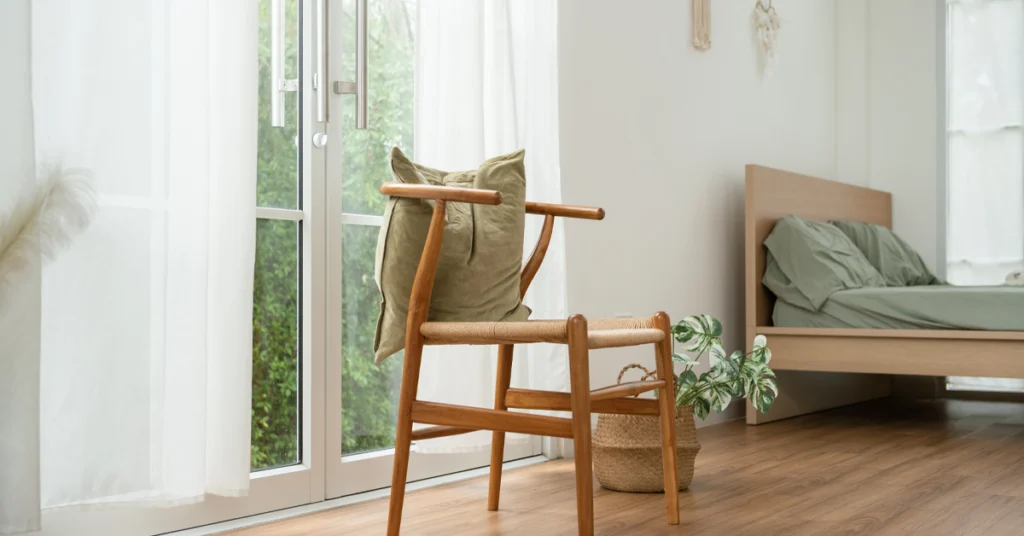
Realizing your style translates sparks into tangible haven. Anchor in a vivid direction: bold, spare, or transitional glow. Anchor with palette, forms, grains, and glow for seamlessness. Layer mindfully; pick décor blending utility and you. When pieces amplify the ethos, your home mirrors desired life in inviting unity.
Furniture Selection
Furniture anchors your style’s cohesion. Seek forms, scales, and traits syncing with your vibe: taut, sinuous, heirloom, or now. Fit without crowding; champion durable, lifestyle-fit picks. Heed palette fidelity; shun stylistic sprawl. Such curation forges enduring flow, poise, and solace.
Materials and Finishes
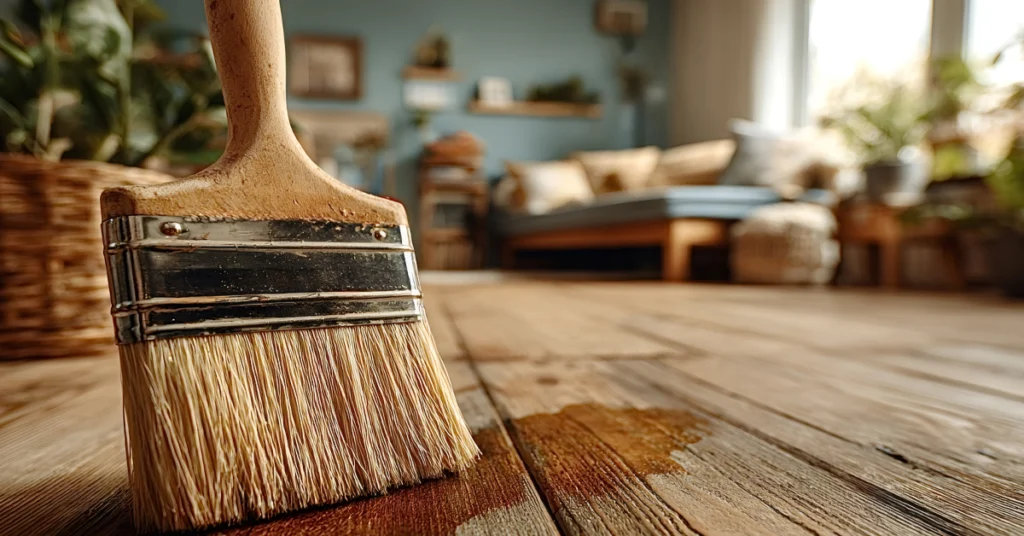
Materials and sheens sculpt your style’s tactile pulse. Woods, stones, metals, glasses, cloths conjure moods: from rustic hearth to urbane gloss. Harmonize for atmospheric lift: matte blacks for edge, brushed brasses for grace. Naturals mellow minimalism; shines amp city sleek. Unified choices knit rooms in rhythmic whole.
Accessories and Art
Accessories and art infuse soul, glow, and layers. They narrate via relics, grains, and glances. Sync with palette and ethos, sans surfeit. Art tunes emotion; vignettes: pots, tomes, blooms, throws: spark depth. Vary scales, contours, stuffs for dynamism. Curated thus, they evolve harmony while personalizing profoundly.
Final Tips from Navilize Designers

source: vecteezy.com
Navilize pros stress: triumph roots in intent. Pre-furnish, mood-map: serene, electric, crisp, or verdant. Clamp palette; curb rivals for quietude. Splurge on bases; stack grains for volume. Lights serve task and temper. Let self steer flourishes. Authentic picks birth beauty wed to bliss.
How to Avoid Style Confusion
Sidestepping muddle means crowning one lead aesthetic, with others as echoes. Unfettered blends breed bedlam. Pin core traits: contours, dyes, stuffs: as lodestars. Fuse via repeats for glue. Shun whims; purpose each. Focused creed yields serene cohesion over clamor.
Creating a Cohesive Home Look
Creating a cohesive home look requires harmony between colors, materials, and furniture forms. Start by selecting a unified color palette that flows naturally from room to room. Repeat similar textures like wood tones, metal finishes, or fabrics to build continuity. Balance large furniture pieces with smaller accents that share a common design language. Pay attention to transitions between spaces, ensuring each room feels connected rather than isolated. Thoughtful lighting, consistent décor, and intentional layouts strengthen the overall unity. When every element relates to the broader vision, your home achieves a polished, seamless, and inviting feel.