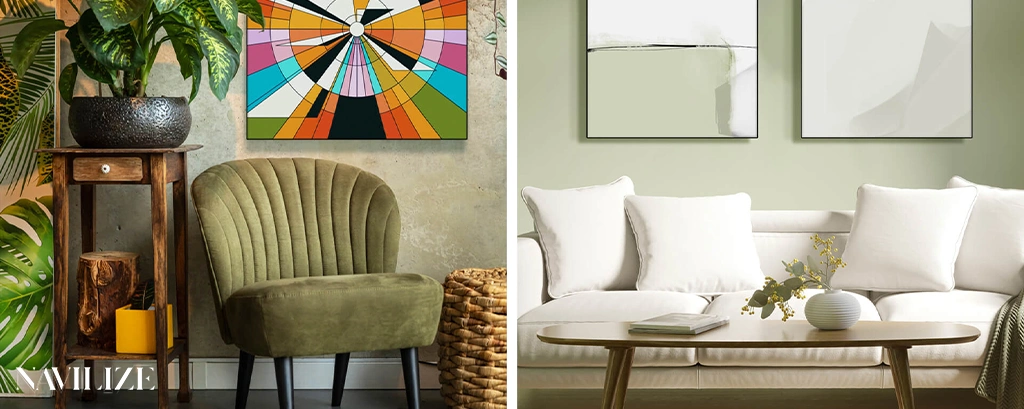
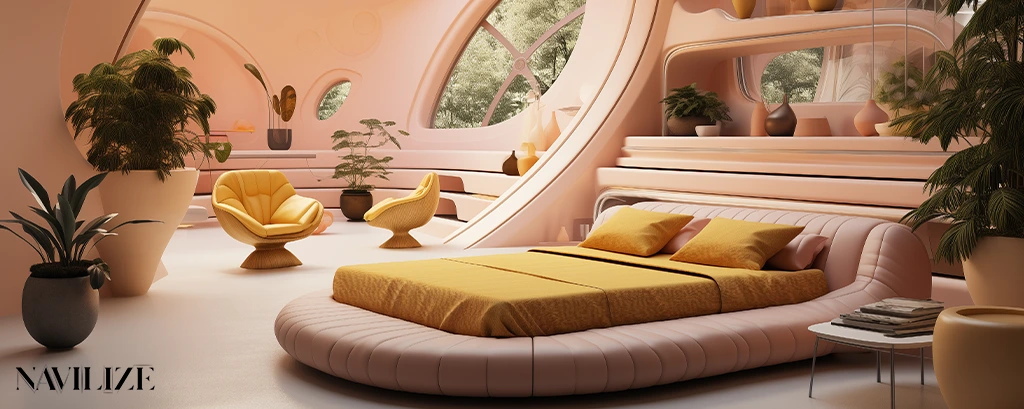
Creating a healthier living space starts with intentional design choices that influence what residents breathe daily. Indoor environments can silently accumulate dust, allergens, and chemical pollutants when ventilation, layout, and material selection are overlooked. Thoughtful furniture placement, surface finishes, and careful organization improve airflow and reduce irritants. Effective planning considers both aesthetics and functionality, balancing comfort with health. A strategic indoor air quality design approach helps prevent respiratory issues, supports daily wellbeing, and ensures long-term comfort. Homes designed this way feel fresher, cleaner, and more emotionally supportive, enhancing occupants’ productivity, rest, and overall sense of wellness.
What Is Indoor Air Quality (IAQ)?
Indoor Air Quality measures the condition of air inside a building and its impact on occupants’ comfort and health. Factors such as ventilation rates, humidity control, particulate matter, and emissions from paints, adhesives, and finishes all affect IAQ. Poor indoor air can cause fatigue, headaches, allergies, and chronic respiratory problems over time. Choosing low VOC materials significantly reduces chemical emissions and contributes to a safer environment. Incorporating these materials aligns with broader strategies for creating cleaner that emphasize long-term wellbeing. Understanding IAQ empowers homeowners to proactively improve indoor air and maintain a breathable, comfortable living space.

How Interior Design Impacts Air Quality
Interior design shapes how air moves, stagnates, or refreshes throughout a home. Room layout, ceiling height, circulation paths, and furniture placement all determine airflow efficiency and dust accumulation. Open, uncluttered spaces enhance natural ventilation, while intentional zoning minimizes stagnant air pockets. Planning healthy home interiors ensures aesthetics support environmental quality without compromising comfort. Approaches highlighted in professional interior design services demonstrate how thoughtful material selection, functional zoning, and spatial planning can improve indoor air while maintaining visual harmony. A well-executed design allows easier cleaning, better air circulation, and a healthier atmosphere for all occupants.

Materials, Finishes, and Furniture
Material and furniture choices strongly influence indoor air conditions. Synthetic surfaces, treated fabrics, and low-quality composites may emit pollutants over time, affecting sensitive occupants. Opting for natural materials, certified finishes, and solid construction minimizes chemical exposure and dust accumulation. Smooth, cleanable furniture surfaces support hygiene and reduce allergens. Implementing these strategies is critical for allergy-friendly homes, particularly for occupants with respiratory sensitivities. Moisture-resistant finishes prevent mold growth and extend material longevity. Thoughtful specification ensures interiors remain functional, breathable, and visually appealing, creating a long-lasting healthy environment where design and wellness coexist seamlessly.
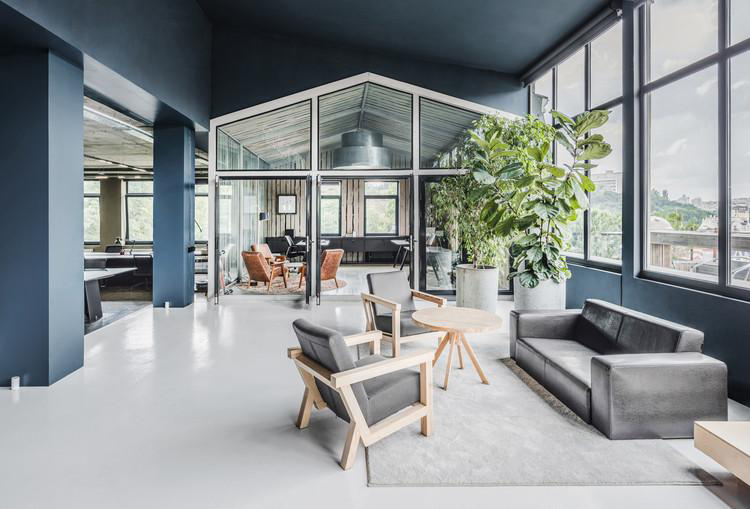
Designing Homes for Allergy and Dust Reduction
Allergy-conscious planning focuses on controlling how dust, pollen, and other particles move through living spaces. Clear circulation paths, reduced clutter, and designated entry zones help prevent pollutants from spreading. Built-in storage keeps surfaces free from dust accumulation, and careful zoning simplifies maintenance. Applying IAQ home design principles aligns architectural layout with daily routines, ensuring that allergen-reduction measures are practical and sustainable. Early consideration of these factors results in homes that are easier to maintain, more resilient against seasonal allergens, and supportive of overall respiratory health. Proper planning ensures a cleaner, more comfortable, and healthier indoor environment.
Flooring and Textile Choices
Flooring and textile selections are key factors in managing dust and allergens. Hard surfaces with sealed finishes are easier to maintain than thick carpeting, while washable, tightly woven fabrics prevent dust retention. Window treatments and soft furnishings should be chosen to minimize particle accumulation. Coordinating these choices with an effective home ventilation design ensures optimal air circulation and reduces trapped pollutants. Limiting heavy drapery and excessive textile layering further supports cleanliness. Thoughtful flooring and fabric strategies improve indoor air quality, maintain aesthetic cohesion, and help create spaces that feel lighter, cleaner, and more supportive of long-term respiratory health.
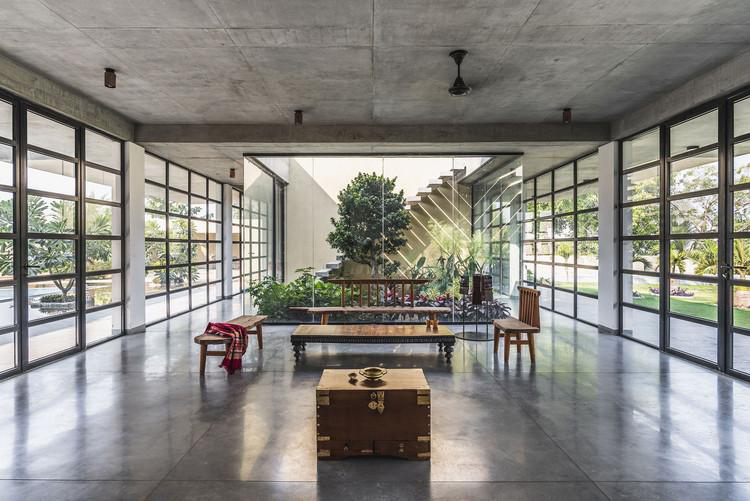
Storage and Cleaning-Friendly Layouts
Efficient storage and layout design directly impact indoor air quality. Built-in and wall-mounted storage reduces clutter and makes daily cleaning easier, while clear room transitions prevent dust accumulation in corners. Planning for healthy home interiors ensures that storage solutions are functional, accessible, and support a hygienic environment. Minimal obstacles allow cleaning routines to be more effective, lowering allergens without relying solely on mechanical systems. Well-organized layouts also improve airflow, enhance overall comfort, and contribute to a breathable, calm, and visually appealing home environment that supports the wellbeing of all residents.
Ventilation, Filtration, and Humidity Control
Proper ventilation introduces fresh air and removes stale, contaminated air from indoor spaces. Filtration captures fine particles that commonly trigger allergies, while humidity control limits mold growth and dust mite activity. Integrating these measures as part of a comprehensive IAQ home design ensures that systems work together efficiently. Coordinated airflow, filtration, and moisture management maintain a stable indoor environment, enhancing comfort and wellbeing. Homes with well-designed ventilation and humidity systems are easier to maintain, healthier to inhabit, and more resilient to seasonal changes, supporting cleaner air and improved long-term respiratory health for all occupants.
Common IAQ Mistakes in Modern Homes
Modern homes often unintentionally compromise indoor air quality. Over-sealed envelopes without proper ventilation trap pollutants, while excessive use of synthetic finishes increases chemical exposure. Cluttered layouts restrict airflow and cleaning access, and moisture problems can lead to hidden mold. Applying thoughtful indoor air quality design principles helps avoid these pitfalls by aligning visual aesthetics with environmental performance. Proper planning ensures homes remain healthy, easy to maintain, and comfortable. Avoiding common mistakes protects occupant wellbeing and preserves the long-term quality and livability of the space.