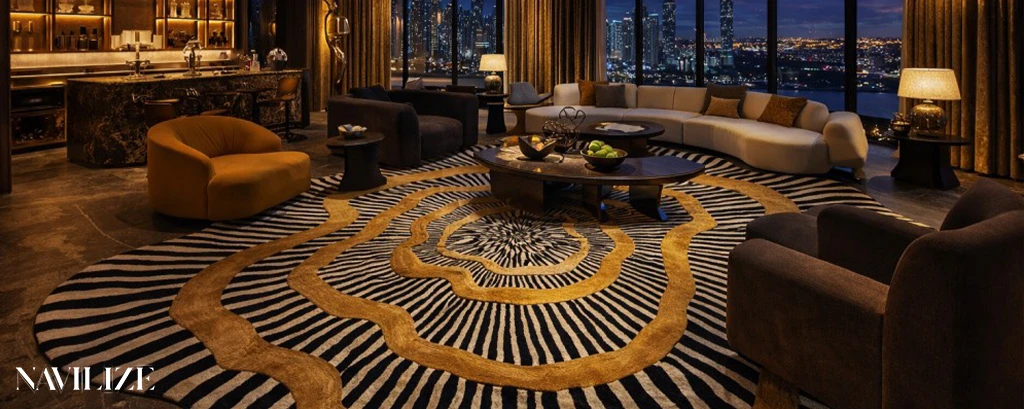
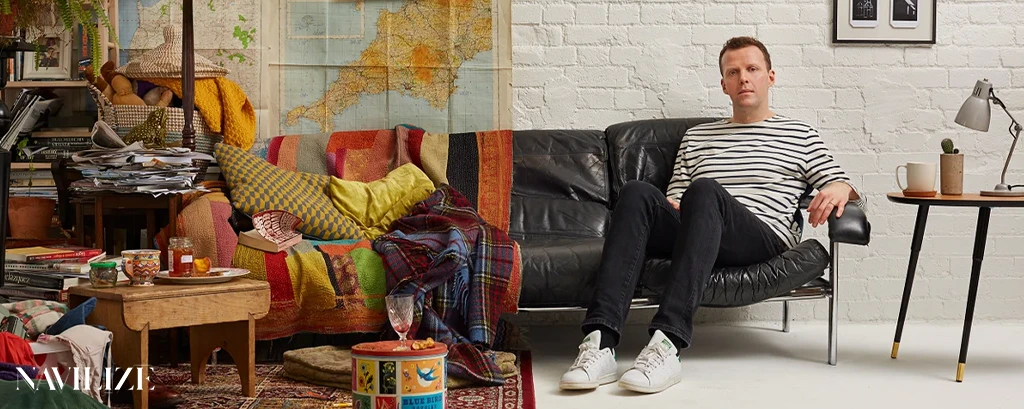
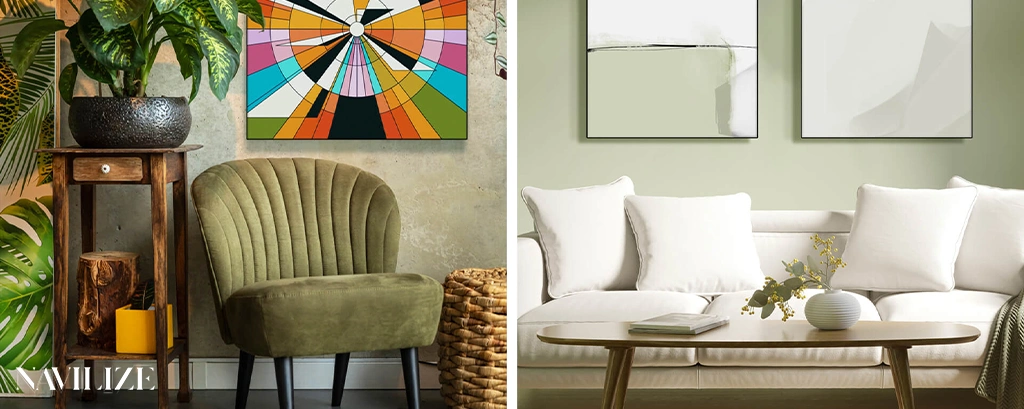
These three fields are often confused, but each plays a distinct role in creating functional and beautiful spaces. Interior architecture focuses more on structural elements like walls, layouts, plumbing, and electrical systems, while interior design deals with planning the space, improving functionality, and shaping the visual style. An interior decorator, however, works on the surface layer: selecting colors, furniture, fabrics, and accessories without altering the structure. Interior architects reshape the bones of a space, interior designers optimize how it feels and works, and decorators add the finishing touches that complete the look.
Why These Three Roles Get Confused

source: vecteezy.com
People often mix up roles in the world of interior design because their work overlaps in visual style, space planning, and project execution. Homeowners usually see the final result, beautiful rooms, without realizing that each role has different responsibilities. Interior architects focus on structural changes, interior designers handle aesthetics and functionality, and decorators refine surfaces and accessories. Since all three contribute to improving a space, the boundaries can feel blurred. Similar terminology, shared tools, and collaborative workflows add to the confusion. Understanding these distinctions helps clients choose the right professional for their needs and avoid costly misunderstandings.
Overlaps in the Design Industry
The design industry creates confusion because many tasks appear similar, especially when comparing interior designer vs. decorator responsibilities. Both professionals work on improving the look and feel of a space, selecting colors, materials, and furnishings, which makes their roles seem interchangeable to clients. Interior architects also contribute to spatial planning, adding another layer of overlap. Collaboration among these roles, sharing mood boards, floor plans, and design concepts, further blurs the boundaries. Since all three aim to enhance the user experience, clients often struggle to distinguish who handles structure, who manages aesthetics, and who focuses on finishing touches within a project.
How Each Role Approaches a Space
Understanding what an interior architect does helps clarify how each design role approaches a space differently. Interior architects begin with structural elements like walls, circulation, layout, and building codes to ensure the space functions safely and efficiently. Interior designers focus on the relationship between form and function, refining lighting, materials, furniture, and user flow. Decorators join later, adding color schemes, accessories, and visual styling to bring personality to the room. While their efforts complement each other, each role views the same space through a unique lens, balancing technical requirements, practicality, and aesthetics to create cohesive and livable environments.
What an Interior Architect Actually Does

source: vecteezy.com
Interior architects focus on the deeper layers of how a space functions, addressing structure, load-bearing elements, circulation, and long-term usability. Their work goes far beyond surface aesthetics, reshaping interiors through thoughtful planning, technical problem-solving, and collaboration with engineers and contractors. By understanding the difference between interior design and decoration, clients can better appreciate how interior architects influence the bones of a building, not just the finishes. Their expertise ensures that renovations, remodels, and new layouts are both safe and beautiful. Below, these design roles explained show why interior architects are vital in complex projects.
Structural Changes and Space Planning
Interior architects are responsible for altering structural layouts, removing or adding walls, adjusting circulation, and ensuring that a space functions efficiently. They analyze load paths, utilities, zoning restrictions, and spatial flow before proposing new configurations. This involves creating detailed drawings, coordinating with engineers, and ensuring the building can safely support any modifications. Unlike surface-level updates, structural work demands technical precision and compliance with regulations. A professional from a reputable San Diego interior design firm or any architectural studio must evaluate feasibility before construction begins, ensuring the redesigned environment remains safe, practical, and aligned with the owner’s goals.
Technical Expertise and Building Codes
Interior architects bring strong technical knowledge, ensuring every design decision meets building codes, fire safety requirements, accessibility standards, and structural limitations. They create technical drawings, review mechanical and electrical systems, and collaborate closely with engineers. Their role is essential in projects involving major renovations, commercial spaces, or historic buildings that require compliance with strict regulations. By having these design roles explained, clients understand that interior architects protect them from legal issues, unsafe layouts, and costly mistakes. Their expertise ensures the project is not only creative but fully aligned with safety standards and long-term building performance.
When You Need an Interior Architect
You need an interior architect when your project involves structural changes, complex layouts, or systems integration such as HVAC, plumbing, or load-bearing modifications. They are essential for major remodels, converting spaces, or ensuring technical feasibility for large-scale transformations. Unlike decorators or designers focused on finishes, interior architects reshape the foundation of a space. Whether you’re expanding rooms, altering circulation, or upgrading utilities, their expertise prevents costly errors and ensures safety. By understanding the difference between interior design and decoration, clients can clearly see when the deeper, more technical approach of an interior architect is necessary.
What an Interior Designer Does
source: vecteezy.com
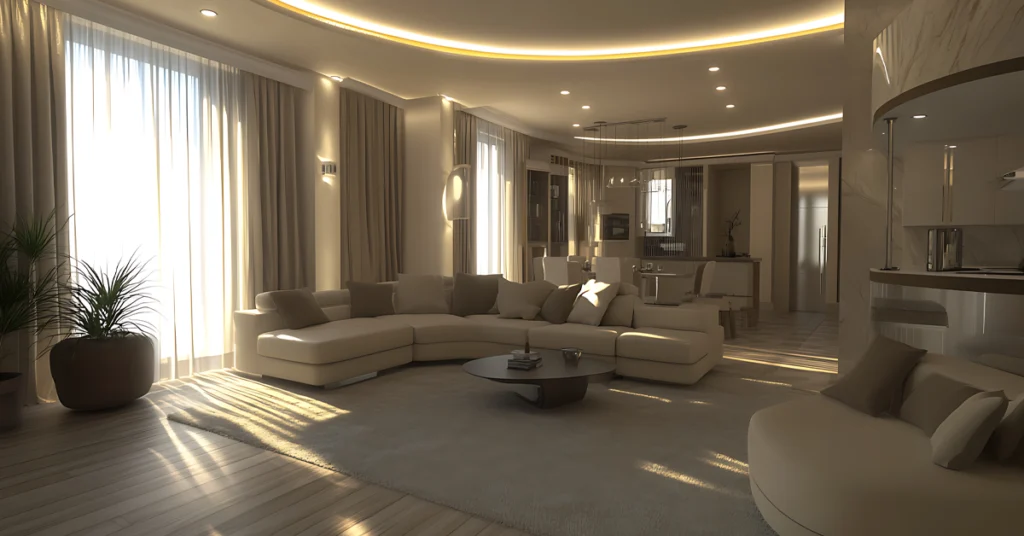
An interior designer transforms spaces by combining creativity, functionality, and technical understanding to improve how people live and interact within an environment. They begin by analyzing the client’s needs, lifestyle, and aesthetic preferences, then develop a cohesive design plan that enhances both comfort and efficiency. This includes selecting materials, colors, lighting, furniture, and décor while ensuring everything works harmoniously together. Interior designers also prepare drawings, coordinate with contractors, and oversee execution to ensure the design is built correctly. Their goal is to create spaces that are visually appealing, practical, safe, and tailored to the user’s daily experience.
Balancing aesthetics and functionality
An interior designer ensures that every space feels visually appealing while remaining practical for everyday living. Their work often overlaps with discussions about interior architecture vs. interior design, but their focus stays on enhancing the user experience rather than modifying structural elements. They study movement patterns, lighting, and furniture placement to create balanced environments that support comfort and efficiency. By blending creativity with problem-solving, interior designers refine spaces so they are harmonious, intuitive to use, and aligned with the client’s lifestyle needs.
Materials, layouts, color palettes
Interior designers expertly combine materials, finishes, and color palettes to shape the atmosphere of a space. They analyze lighting conditions, textures, and spatial proportions before selecting anything, ensuring that each choice supports the intended mood and functionality. Their layouts improve flow and practicality, whether arranging furniture in a small apartment or defining zones in a large open-plan home. Designers also consider durability, maintenance, acoustics, and budget, creating cohesive environments where colors, materials, and patterns work together seamlessly to reflect the client’s taste and enhance the overall experience.
Renovations and remodels
During renovations and remodels, interior designers focus on improving how a space looks and functions without altering its structural framework. They reconfigure layouts, update worn surfaces, and introduce modern solutions that enhance comfort and efficiency. Through detailed drawings, mood boards, and material schedules, they guide contractors and ensure the design vision is executed correctly. Whether refreshing outdated interiors, modernizing kitchens, or redesigning commercial environments, interior designers help clients achieve better flow, stronger aesthetics, and more effective use of space while preserving the building’s structural integrity.
What an Interior Decorator Does

source: vecteezy.com
An interior decorator focuses on the visual and aesthetic elements of a space, helping clients create environments that feel cohesive, stylish, and true to their personality. Unlike designers or architects, decorators do not modify structural components; instead, they work with furniture, accessories, lighting, textiles, artwork, and color palettes to elevate the overall atmosphere. Their goal is to improve the look and feel of a room through thoughtful curation, balance, and styling. Whether refreshing a single room or transforming an entire home, an interior decorator enhances beauty, harmony, and comfort without altering the space’s architectural framework.
Working with furniture, color, and styling
An interior decorator focuses on the visual layer of a space, enhancing its look through furniture, color schemes, fabrics, lighting accents, and accessories. While discussions about interior architecture vs. interior design often highlight structural elements, decorating is strictly cosmetic and does not involve altering walls or layouts. A decorator studies the client’s taste, lifestyle, and desired mood, then curates pieces that create harmony and personality. Their goal is to elevate the atmosphere by using textures, décor items, art, and styling techniques that make the space feel cohesive, inviting, and visually balanced without touching the architectural framework.
When a decorator is enough
A decorator is ideal when a space already has a solid layout and structure, and the goal is to refresh the aesthetics through furniture, colors, and styling. In conversations around interior architecture vs. interior design, decorators are best suited for projects that do not involve structural changes, plumbing moves, or code-related decisions. They help transform homes, rentals, and offices through visual upgrades alone. However, when a project requires modifying walls, improving circulation, changing materials permanently, or coordinating with contractors, a decorator is not enough; you need an interior designer or interior architect to manage technical and structural considerations.
How to Know Which Expert You Need

source: vecteezy.com
Choosing the right expert depends on the size and complexity of your project. If your renovation involves removing walls, changing layouts, or updating plumbing and electrical systems, an interior architect is the right choice. When you want to improve flow, comfort, and overall design direction, an interior designer offers the best balance of creativity and functionality. For projects focused only on refreshing the look through furniture, colors, and styling, an interior decorator is the most efficient option. Understanding these differences helps you avoid extra costs and ensures your project is handled by the right professional from the beginning.
Examples from San Diego homes
Projects across San Diego show how these three roles work together. In older coastal homes, interior architects begin by upgrading structural elements, strengthening foundations, and opening up rooms for better light and circulation. Interior designers then refine these spaces with modern materials, thoughtful lighting, and layouts suitable for contemporary living. Finally, decorators add warmth and personality through textiles, accessories, and artwork that match the relaxed California vibe. The result is a seamless blend of structure, design, and style that feels both elevated and personal.
Budget and project scope considerations
Your budget and project goals help determine which expert you need. Structural changes require a larger investment and typically call for an interior architect. Interior designers work within mid to high budgets, focusing on materials, lighting, furniture, and overall user experience. Decorators are ideal for smaller budgets and offer high-impact visual upgrades without construction. By understanding what you want to achieve and how much you plan to spend, you can choose the right specialist and ensure every part of your project supports your vision.
How Navilize Combines These Disciplines for Better Projects
Navilize brings together the strengths of interior architecture, interior design, and decoration to create well-planned and beautifully finished spaces. Their team evaluates the structure, improves the layout, and layers in refined visual details to deliver interiors that are both practical and expressive. By offering a fully coordinated approach from concept to completion, Navilize removes the need to work with multiple firms and ensures a smooth, unified process. Whether you are upgrading a home or redesigning a commercial space, Navilize provides clarity, efficiency, and a modern aesthetic built on high-quality craftsmanship.