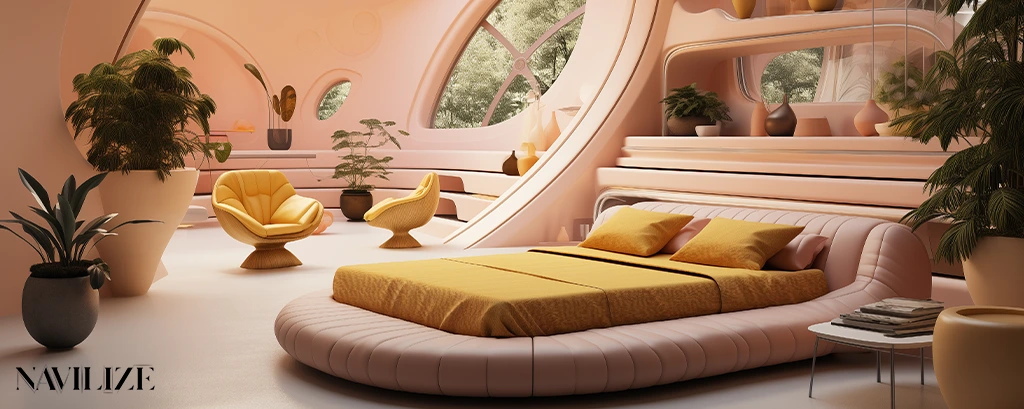
Interior design for highly sensitive people (HSPs) focuses on creating calm, balanced, and emotionally supportive environments that reduce sensory overload. Individuals with heightened sensitivity often react strongly to noise, clutter, harsh lighting, and strong colors. Therefore, interior design for highly sensitive people prioritizes soft textures, neutral color palettes, natural lighting, and minimalistic layouts. Using materials such as wood, linen, and cotton can create warmth and comfort. Incorporating plants and natural elements also helps improve emotional well-being. Proper sound insulation and organized storage reduce visual and auditory stress. Thoughtfully designed personal spaces allow HSPs to recharge mentally, regulate emotions better, increase focus, and significantly improve overall comfort and quality of daily life.
What Is HSP & Why It Matters in Design
HSP stands for Highly Sensitive Person, a term used to describe individuals who process sensory input more deeply and intensely than others. This heightened sensitivity affects how they experience their environment—colors, sounds, textures, and lighting all influence their comfort and mood. In design, understanding HSP matters because spaces can either soothe or overwhelm these individuals. Thoughtful design reduces stress and promotes emotional well-being. Creating environments that support calm, focus, and restorative rest not only benefits HSPs but also improves overall comfort for everyone. For expert guidance on creating sensitive and functional spaces, visit the Navilize homepage.
Sensory Triggers in Homes
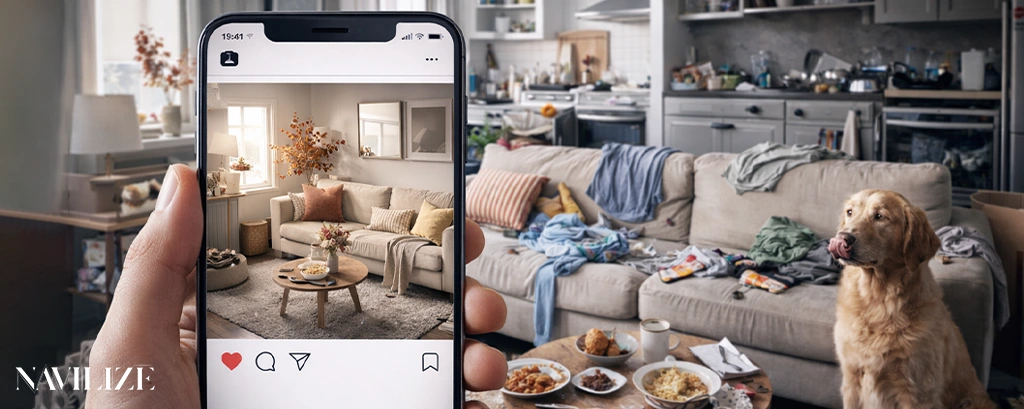
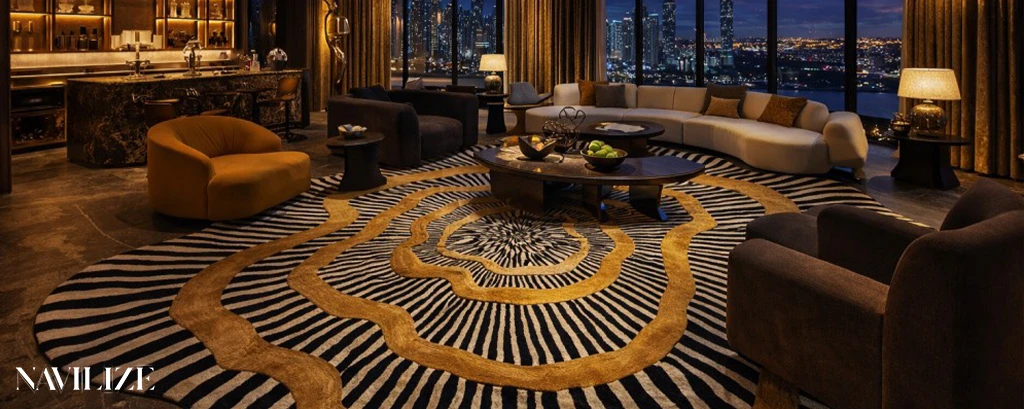
Homes can unintentionally contain sensory triggers that cause discomfort for HSPs. Common triggers include bright artificial lighting, echoing hard surfaces, loud appliances, strong patterns, and clutter. These elements can become overwhelming, leading to fatigue, anxiety, and distraction. To minimize triggers, designers use soft lighting, acoustic materials, smooth textures, and calming color schemes. Strategic storage and decluttered layouts also help reduce visual stress. Incorporating natural elements—like plants, wood, and daylight—creates a soothing atmosphere. interior design Understanding and addressing sensory triggers enhances comfort for all occupants, transforming homes into peaceful, supportive environments that nurture relaxation and emotional balance.
Common HSP Challenges
People with high sensory sensitivity often struggle with overstimulation caused by noise, clutter, harsh lighting, and strong colors. These challenges directly influence comfort, focus, and emotional stability in daily life. Interior design for highly sensitive people aims to reduce these stressors by creating environments that support calmness and emotional balance. Many HSP individuals experience fatigue or anxiety in crowded or visually busy spaces, which makes a structured and peaceful HSP friendly home essential. A well-planned sensory interior design considers spatial organization, soft materials, and soothing visual flow. Applying calming interior design principles helps regulate emotional responses and supports relaxation. Additionally, incorporating neurodiversity interior approaches ensures that spaces are adaptable and inclusive for different sensory processing needs and lifestyle preferences.
Key Design Principles for HSP Harmony
Calming Color Palettes
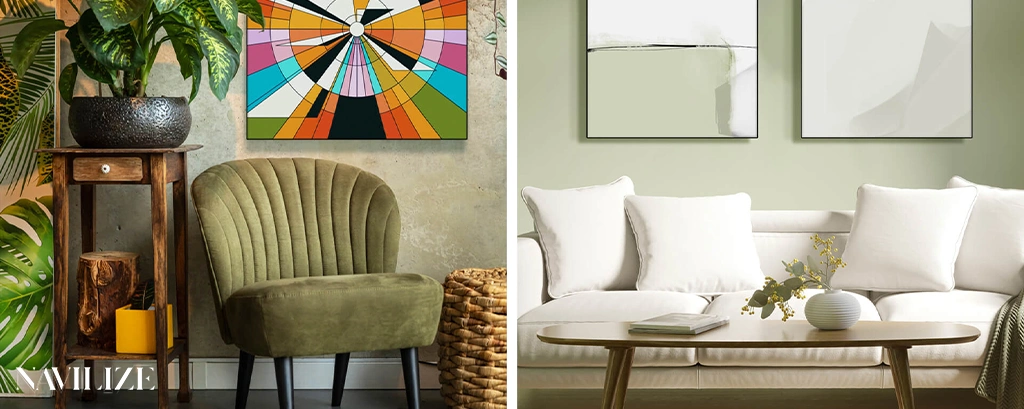
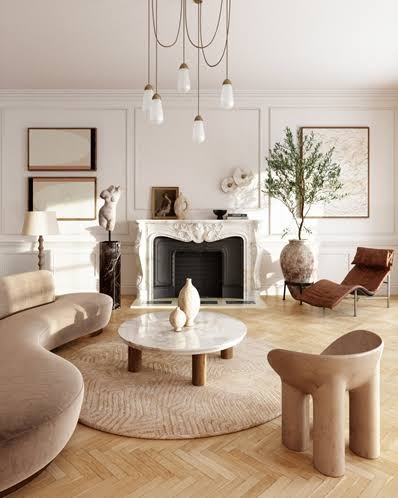
Color plays a crucial role in interior design for highly sensitive people because certain shades can strongly affect emotions and stress levels. Neutral and nature-inspired tones such as soft beige, muted green, warm grey, and pastel blue are widely used in sensory interior design to create visual comfort. Bright or overly saturated colors may increase tension and distraction, while balanced palettes support focus and relaxation. Designing an HSP friendly home requires maintaining visual consistency between rooms to avoid sensory disruption. Thoughtful color layering is a key part of calming interior design, helping to create peaceful transitions between spaces. Using neurodiversity interior strategies ensures that color choices support emotional regulation while still maintaining aesthetic harmony and personal expression.
Texture & Material Choices
Textures and materials significantly influence comfort in interior design for highly sensitive people because tactile sensations can affect emotional well-being. Natural materials such as wood, cotton, linen, and wool are common in sensory interior design because they provide warmth and softness. Hard, glossy, or synthetic surfaces can create discomfort or overstimulation for HSP individuals. Creating an HSP friendly home involves selecting materials that feel natural and reduce sensory stress. Layering textiles such as rugs, cushions, and curtains supports calming interior design by softening sound and visual intensity. Applying neurodiversity interior concepts allows designers to balance comfort with functionality, ensuring that surfaces, furniture, and finishes contribute to relaxation while maintaining durability and long-term usability.
Lighting & Sound Solutions for HSPs
Natural Light Strategies
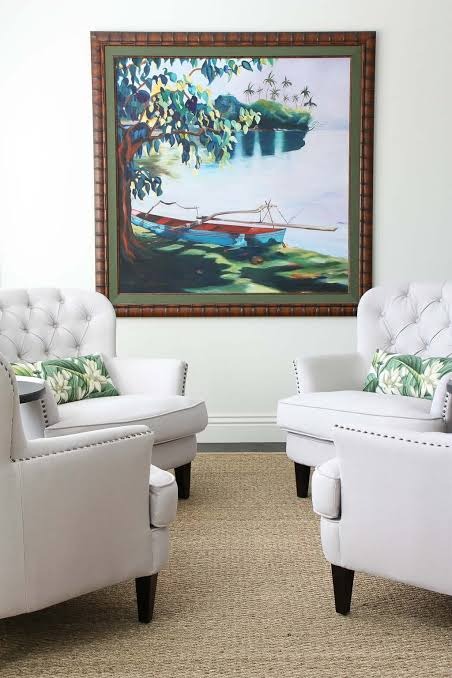
Natural lighting is one of the most important elements in interior design for highly sensitive people because it supports mood regulation and reduces visual fatigue. Soft daylight helps maintain circadian rhythm and promotes relaxation. In sensory interior design, designers often use sheer curtains, diffused window treatments, and layered lighting systems to control brightness levels. An HSP friendly home should avoid harsh direct sunlight that creates glare or overheating. Integrating adjustable lighting fixtures supports calming interior design by allowing residents to control intensity based on mood and activity. Using neurodiversity interior strategies ensures lighting flexibility, combining daylight, warm ambient lighting, and task lighting to create balanced environments that support productivity, comfort, and emotional well-being.
Acoustic Control
Sound sensitivity is a major factor in interior design for highly sensitive people, as excessive noise can increase stress and reduce concentration. Effective sensory interior design includes acoustic panels, thick curtains, upholstered furniture, and rugs that absorb sound and reduce echo. Designing an HSP friendly home also involves minimizing external noise through proper insulation and thoughtful space planning. Quiet zones and private relaxation areas support calming interior design by allowing individuals to recharge mentally. Applying neurodiversity interior principles ensures that sound management solutions remain aesthetically pleasing while improving functionality. By controlling noise levels and improving acoustic comfort, designers create peaceful environments that enhance relaxation, focus, and overall quality of life.
Layout Tips for Comfort & Flow
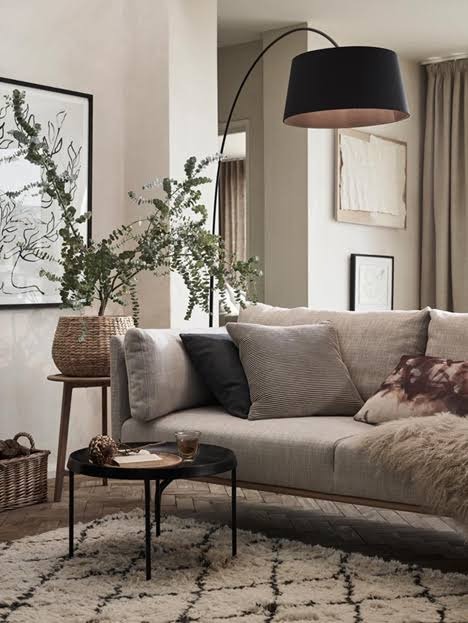
Proper spatial layout is essential in interior design for highly sensitive people because it influences movement, comfort, and emotional balance. A well-organized environment supports relaxation and reduces sensory overwhelm. Sensory interior design focuses on open pathways, logical furniture placement, and visual balance to create a smooth flow between spaces. Designing an HSP friendly home requires separating high-activity zones from relaxation areas to prevent overstimulation. Applying calming interior design techniques such as symmetrical layouts and minimal furniture helps maintain visual clarity. Using neurodiversity interior strategies allows designers to create adaptable spaces that respond to different moods, activities, and sensory needs, ensuring comfort while maintaining functionality and aesthetic harmony.
Clutter Reduction
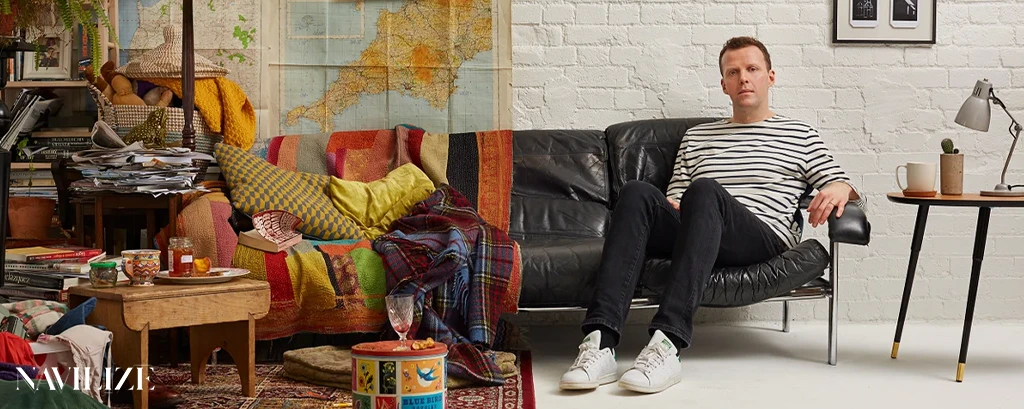
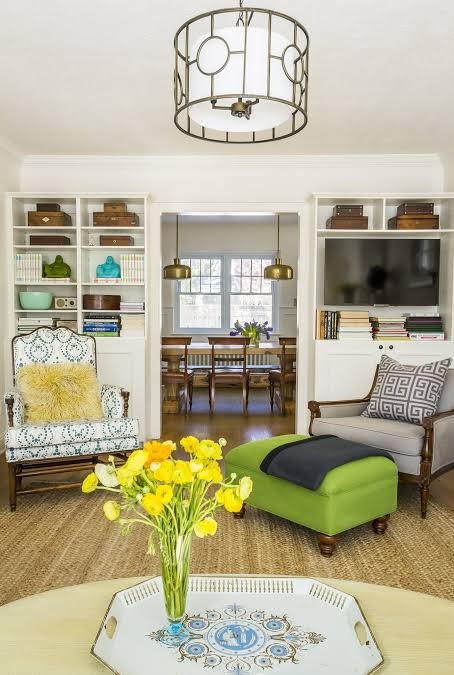
Reducing clutter is a fundamental element of interior design for highly sensitive people because visual overload can quickly increase stress and anxiety. Sensory interior design emphasizes organized storage solutions, multifunctional furniture, and minimal decorative elements to maintain visual clarity. Creating an HSP friendly home involves using hidden storage, built-in shelving, and intentional object placement to reduce distractions. Calming interior design encourages limiting unnecessary items and prioritizing meaningful or functional décor. Applying neurodiversity interior concepts helps create adaptable storage systems that support daily routines while maintaining a peaceful environment. When clutter is minimized, individuals often experience improved focus, emotional stability, and overall comfort in their living spaces.
Quiet Zones
Quiet zones are essential in interior design for highly sensitive people because they provide dedicated spaces for mental recovery and relaxation. Sensory interior design often incorporates private corners with soft seating, dim lighting, and acoustic treatments to create peaceful retreats. Designing an HSP friendly home includes positioning quiet zones away from high-traffic or noisy areas. Calming interior design encourages the use of natural textures, warm lighting, and comfortable furniture to enhance relaxation. Implementing neurodiversity interior principles ensures that these zones remain flexible and personalized, allowing individuals to adjust lighting, sound, and comfort levels. Quiet zones help reduce stress, improve emotional regulation, and support daily mental restoration.
Real Examples & Case Studies
Several successful projects demonstrate the impact of interior design for highly sensitive people in residential environments. In one example, a family home applied sensory interior design by using natural wood finishes, sound-absorbing textiles, and neutral color palettes to reduce overstimulation. The result was an effective HSP friendly home that improved relaxation and concentration. Another case used calming interior design principles by integrating layered lighting and clutter-free layouts, helping occupants reduce anxiety and improve sleep quality. Applying neurodiversity interior strategies in modern apartments has shown increased productivity and emotional comfort. These real-world examples highlight how thoughtful design can significantly enhance lifestyle quality and well-being.
Conclusion
Creating supportive environments through interior design for highly sensitive people improves comfort, emotional health, and daily functionality. By integrating sensory interior design principles, designers can reduce overstimulation and promote relaxation. Designing an HSP friendly home involves careful attention to lighting, layout, sound control, and material selection. Calming interior design encourages balanced color palettes, clutter reduction, and natural elements that enhance emotional stability. Incorporating neurodiversity interior concepts ensures inclusivity by adapting spaces to different sensory preferences. Ultimately, thoughtful design benefits not only HSP individuals but also families and workplaces by improving comfort, productivity, and overall quality of life through harmonious and balanced living environments.