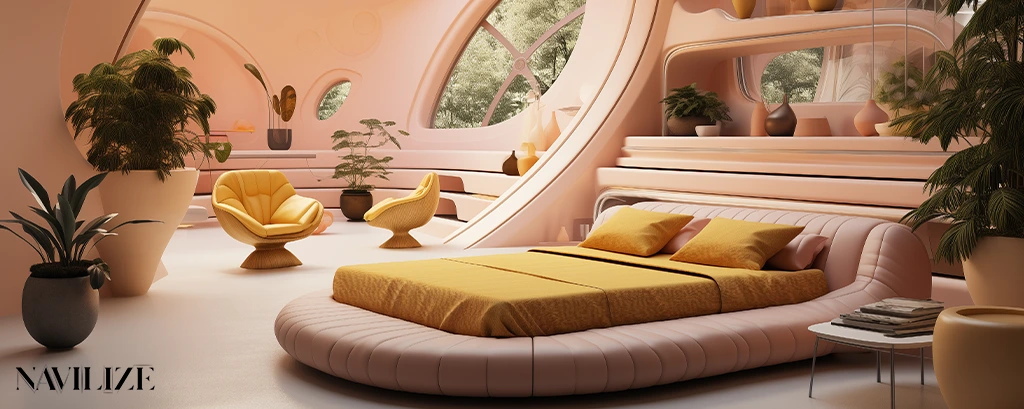
Open-plan living has long symbolized modern homes, openness, and social interaction, but evolving lifestyles are reshaping how spaces need to function. As daily routines become more layered, homeowners increasingly turn to Broken plan interior design to regain privacy without sacrificing light or flow. This approach introduces subtle separations that improve acoustics and usability while preserving visual continuity. Rather than one vast multifunctional area, broken-plan living offers clarity and comfort. In 2025, it stands out as a refined response to changing habits, remote work, and the desire for homes that feel both open and intentional.
What Is a Broken-Plan Layout?
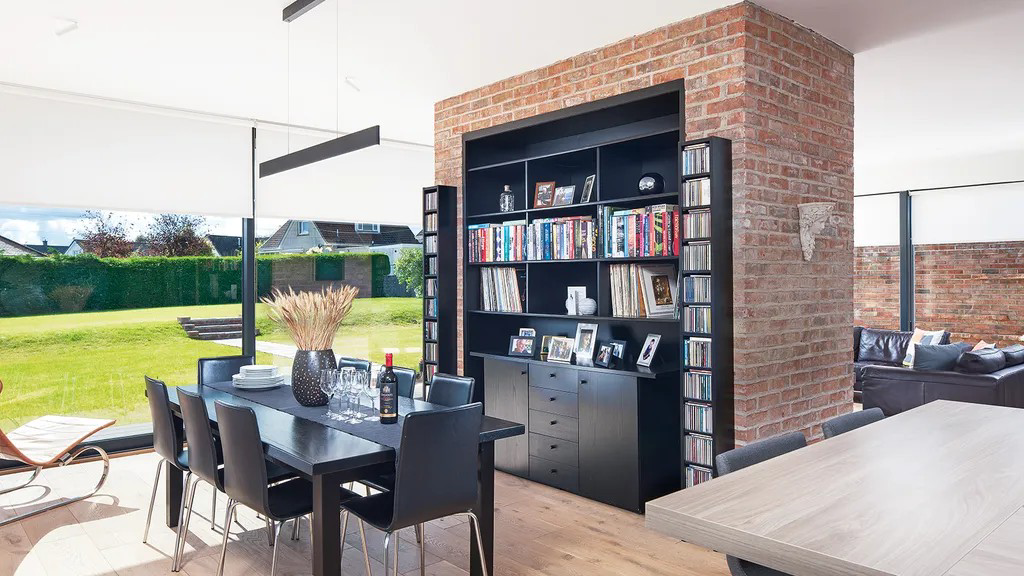
A broken-plan layout represents one of the most effective open plan alternatives for contemporary living. Instead of removing all boundaries, it relies on partial divisions that shape space without enclosing it. These principles are often explored within advanced interior architecture and spatial planning approaches such as those discussed in interior architecture concepts. The layout allows different activities to coexist while maintaining visual flow and natural light. Broken-plan design creates a sense of order and comfort, offering homeowners a balanced environment that supports modern lifestyles.
Definition and Key Characteristics
Broken-plan interiors are defined by thoughtful zoning in interior design, where each area has a clear function without rigid separation. Partial walls, screens, furniture placement, and changes in materials establish subtle boundaries. Lighting and ceiling variations further reinforce zones, guiding movement and behavior. These characteristics allow interiors to remain flexible and visually connected while enhancing functionality and comfort throughout the home.
How It Differs from Open-Plan Living
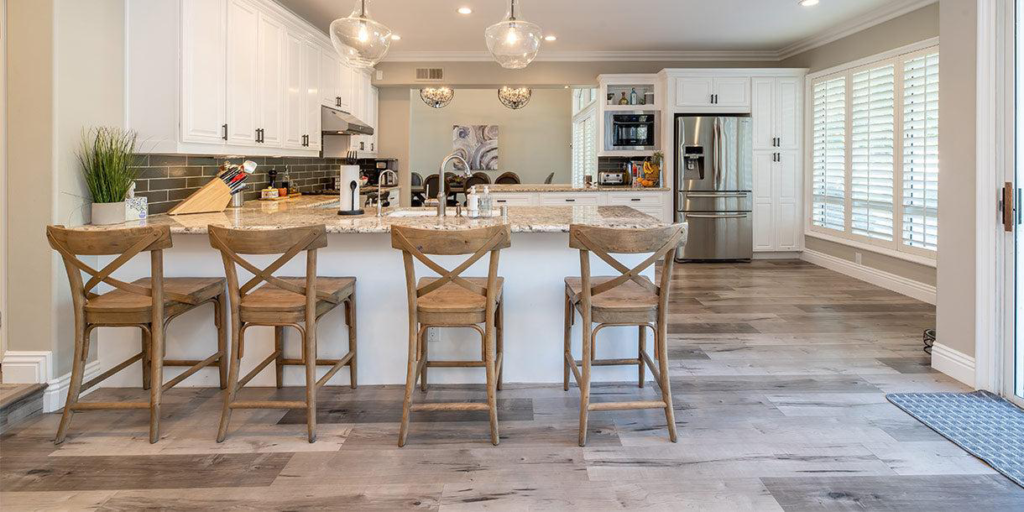
Unlike traditional open layouts that eliminate nearly all divisions, broken-plan spaces introduce structure while preserving openness. This shift reflects the evolution of moder home layouts, where acoustic control, privacy, and adaptability are prioritized. Rather than one undifferentiated space, broken-plan living supports focused activities and calmer environments.
Why Homeowners Are Moving Away from Open-Plan Spaces
While open-plan homes once felt liberating, many now experience noise issues, visual clutter, and limited privacy. As lifestyles change, homeowners increasingly seek professional interior design solutions that balance openness with function, similar to strategies found in contemporary interior design practices. Broken-plan layouts answer these concerns by offering separation without isolation, making homes more comfortable and adaptable.
Privacy, Noise, and Lifestyle Changes
Modern households demand flexible layouts that accommodate work, relaxation, and social interaction simultaneously. Fully open spaces often struggle with noise control, while broken-plan designs introduce subtle separation. This improves focus, privacy, and overall comfort without disconnecting spaces entirely.
Post-Pandemic Living Patterns
The rise of remote work and hybrid lifestyles accelerated interest in Broken plan interior design. Homes now need to support multiple functions throughout the day. Broken-plan layouts allow spaces to shift roles easily, offering adaptability without permanent walls or costly renovations.
Core Elements of Broken-Plan Interior Design
The essence of Broken plan interior lies in how spaces are structured to balance openness with functionality. Core elements include subtle partitions, level changes, and visual cues that define separate zones without enclosing them completely. These techniques ensure that each area serves its intended purpose while maintaining a cohesive flow. Thoughtful furniture placement, material contrasts, and lighting strategies reinforce spatial boundaries naturally. By carefully orchestrating these elements, broken-plan homes can achieve both aesthetic appeal and practical utility, supporting multiple activities simultaneously without compromising on light, movement, or connection between spaces.
Partial Walls, Sliding Panels, and Screens
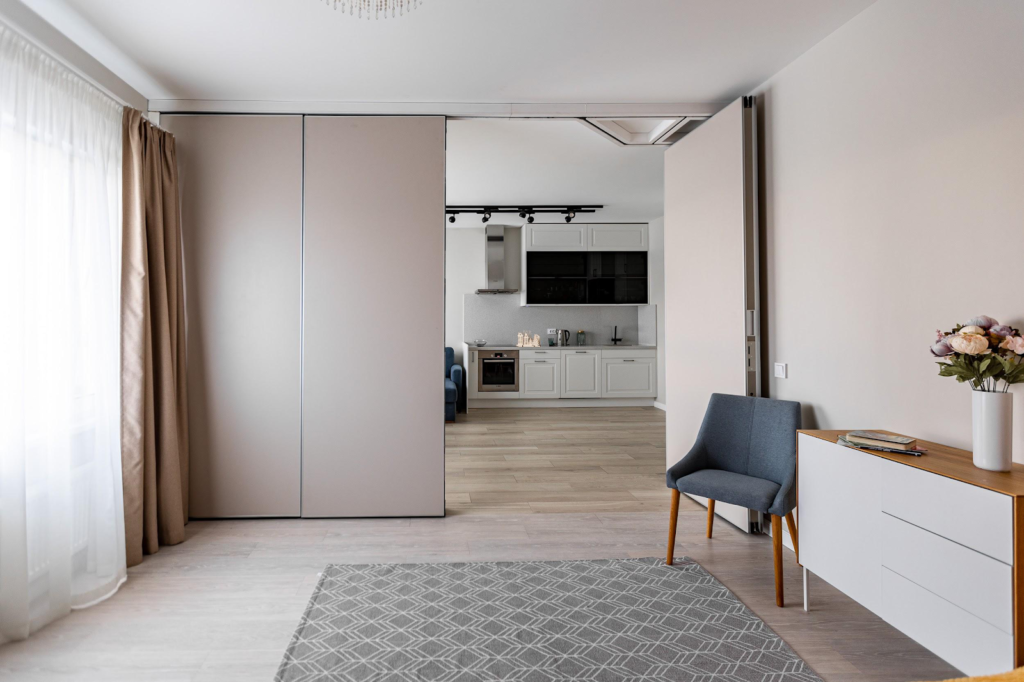
One of the primary tools in a semi-open floor plan is the use of partial walls, sliding panels, and screens. These elements create distinct functional areas while maintaining visual continuity and natural light. They allow flexibility, letting homeowners adjust the degree of separation according to activity or mood. Unlike solid walls, these solutions preserve openness, encourage interaction, and improve airflow and sightlines, all while offering a subtle sense of enclosure where privacy is needed.
Level Changes and Visual Separation
Changes in floor height, ceiling height, or even material transitions serve as unobtrusive visual dividers. These techniques define zones without the rigidity of walls, guiding movement and activity organically. For example, a slightly raised platform for a seating area or a different flooring material can distinguish living and dining spaces. This approach enhances spatial clarity, supports furniture placement, and contributes to an intuitive flow, making interiors feel larger, dynamic, and multifunctional.
Benefits of Broken-Plan Homes
A well-executed broken plan layout provides openness with intention. Homes feel connected yet organized, promoting comfort, adaptability, and efficient use of space. This layout reduces acoustic interference, improves privacy, and supports varied lifestyles—from working remotely to entertaining guests—without needing major renovations. Broken-plan homes can adapt over time, allowing families to modify spaces according to changing needs.
Better Acoustics and Privacy
Compared to traditional open plan alternatives, broken-plan layouts naturally reduce noise transfer between zones. By combining partial walls, screens, and thoughtful furniture placement, homeowners gain more control over sound and privacy. Spaces for conversation, work, or relaxation coexist comfortably, enhancing overall liveability and user experience.
Flexible Use of Space
A key advantage of Broken plan interior is flexibility. Rooms can serve multiple functions without permanent structural changes. For instance, a dining area may double as a workspace or play zone during the day. This adaptability ensures that every square foot is optimized, making the home suitable for modern multi-purpose living while maintaining aesthetic cohesion.
Is Broken-Plan Right for Your Home?
Deciding on a broken plan layout depends on lifestyle, household needs, and spatial constraints. Homes that require flexibility, quiet zones, and better organization benefit most. Broken-plan designs allow personalization while keeping spaces visually connected. This layout works particularly well for families, remote workers, or anyone seeking balance between openness and practicality. By blending visual flow with functional separation, broken-plan interiors create homes that are both inviting and adaptable, offering a timeless solution to the limitations of traditional open-plan living.