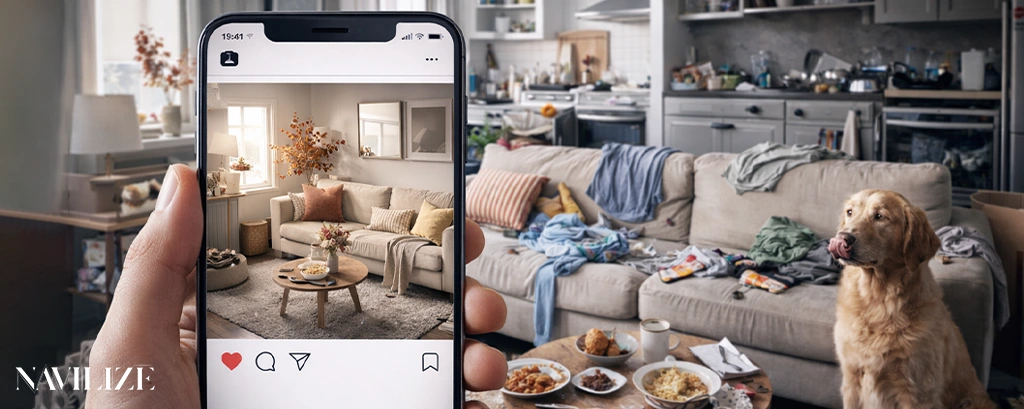
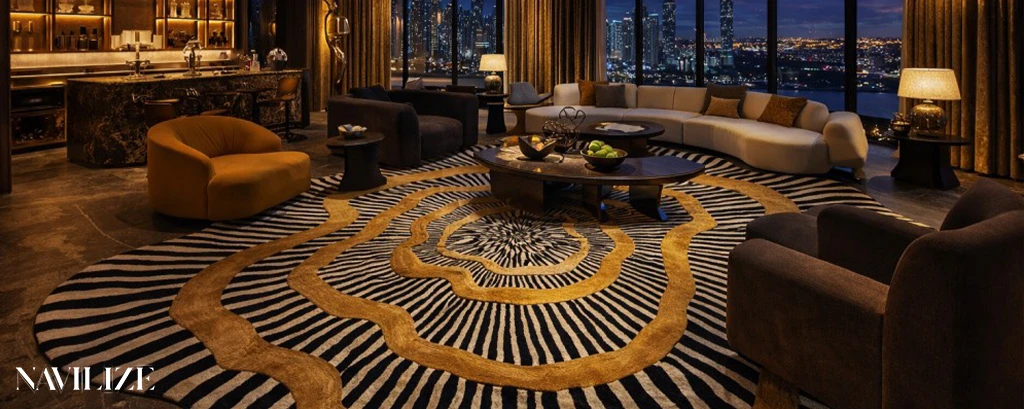
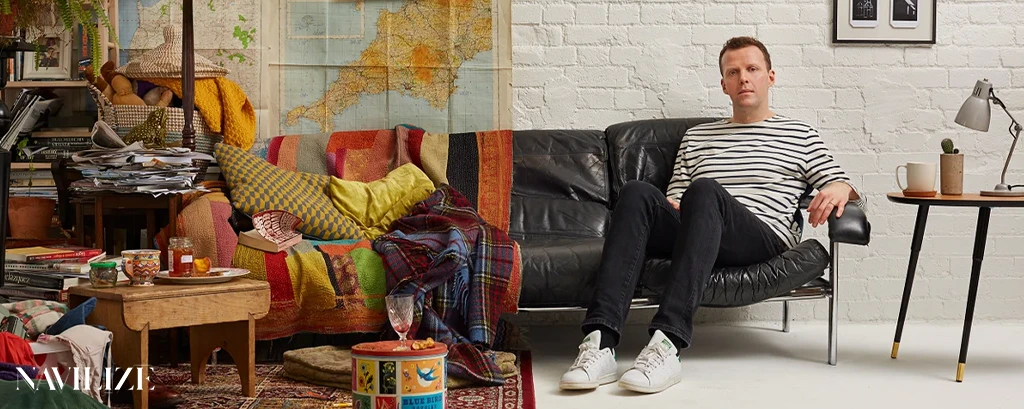
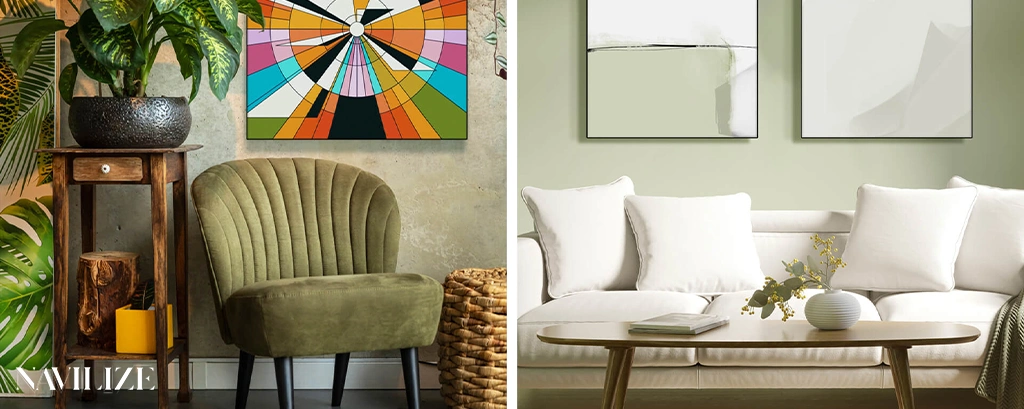
The debate around minimalist vs maximalist design is really about how you want your home to make you feel. Minimalist spaces focus on simplicity, open layouts, and fewer visual distractions, which can feel calming and organized. Maximalist design, on the other hand, celebrates personality through layers, colors, patterns, and meaningful objects. Neither approach is universally better; the right choice depends on your lifestyle, personality, and sensory tolerance. Some people feel relaxed by empty space, while others feel energized and emotionally connected by rich, expressive interiors. The best homes often blend both styles thoughtfully rather than following one extreme.
Understanding Minimalism
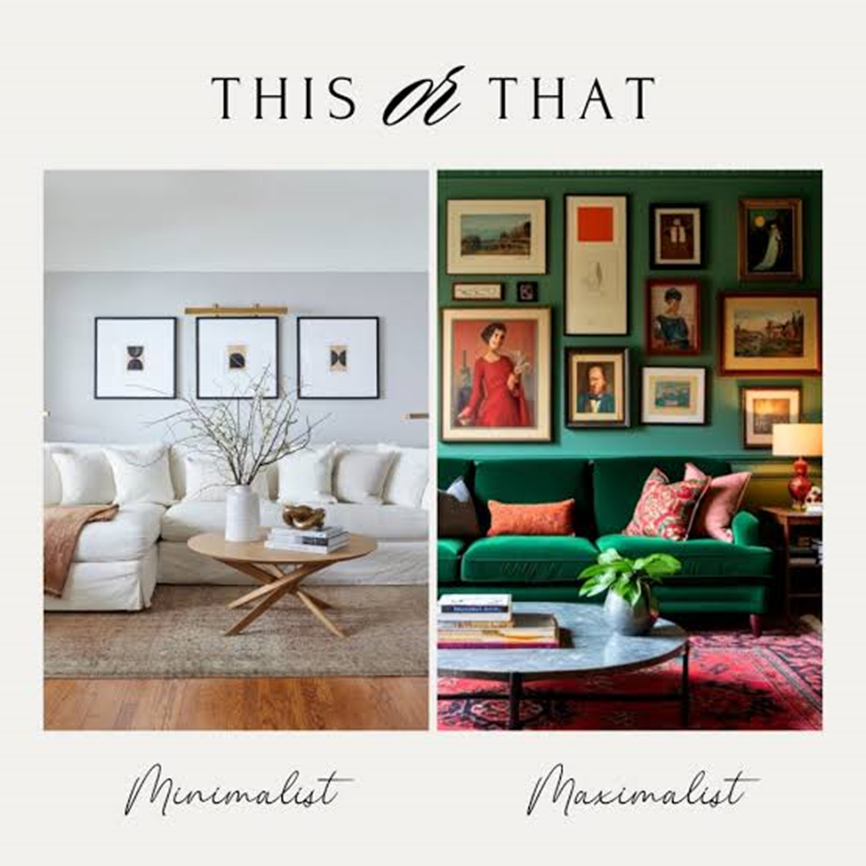
Minimalism is a design philosophy centered on clarity, function, and intention. It reduces excess in favor of clean lines, neutral colors, and carefully selected furnishings. The goal is not emptiness, but purpose—everything in the space has a reason to exist. Minimalist interiors often feel calm, spacious, and easy to maintain, making them ideal for those who prefer visual order and mental clarity. When done well, minimalism creates breathing room for both the mind and body. To explore thoughtful, human-centered approaches to minimal design, visit Naviliz.
Core Principles
Strong interior spaces are built on a few timeless principles that guide every design decision. Balance between function and emotion is essential; a space must work well while also feeling good to live in. Proportion and scale ensure furniture and architectural elements relate comfortably to the human body. Consistency in materials and colors creates visual harmony, while flexibility allows the space to adapt to changing needs. Light—both natural and artificial—should be intentional and layered. Above all, good interior design starts with understanding the user’s lifestyle, routines, and sensory preferences, translating them into spaces that feel intuitive, supportive, and enduring rather than trend-driven.
Pros & Cons
In the discussion of minimalist vs maximalist design, minimalism offers clear advantages such as visual calm, mental clarity, and easier daily maintenance. Fewer objects mean less clutter, simpler cleaning routines, and a stronger sense of order. This can support focus, relaxation, and emotional balance, especially in busy lifestyles. However, minimalism also has drawbacks. If taken too far, spaces may feel cold, sterile, or lacking personality. Personal expression can feel limited, and the pressure to keep everything perfectly tidy can become stressful. Minimalism works best when warmth, texture, and intention are added thoughtfully rather than pursuing emptiness for its own sake.
Understanding Maximalism
Within the spectrum of minimalist vs maximalist design, maximalism embraces abundance, individuality, and emotional storytelling. Instead of reducing visual input, maximalism curates it. Spaces are filled with color, pattern, art, books, and meaningful objects that reflect personal history and taste. This approach can feel comforting, inspiring, and deeply personal, especially for people who draw energy from rich environments. However, maximalism requires awareness and control. Without structure, it can easily turn into visual chaos. Successful maximalist interiors rely on intention, repetition, and underlying order to ensure the space feels expressive rather than overwhelming.
Core Principles
The core principles of maximalism in minimalist vs maximalist design focus on intentional layering and cohesion. Rather than random decoration, maximalism builds depth through repeated colors, patterns, and textures. Personal collections, artwork, and statement furniture play a central role. Visual rhythm helps guide the eye, preventing overload. Negative space still exists, but it is selective and strategic. Lighting is used to highlight layers and create balance. When these principles are applied carefully, maximalism becomes curated and emotionally rich, offering warmth and character while maintaining functionality and visual control.
Side-by-Side Comparison
A direct minimalist vs maximalist design comparison shows how differently these styles shape everyday experience. Minimalism calms through reduction, simplicity, and open space. Maximalism comforts through familiarity, richness, and layered meaning. One emphasizes restraint, the other celebration. Minimalist spaces often feel quiet and controlled, while maximalist spaces feel expressive and energetic. Neither approach is inherently superior; the right choice depends on personality, routines, and sensory tolerance. Many contemporary interiors successfully blend both, using minimalist structure as a foundation and maximalist accents for warmth and individuality.
Visual Style
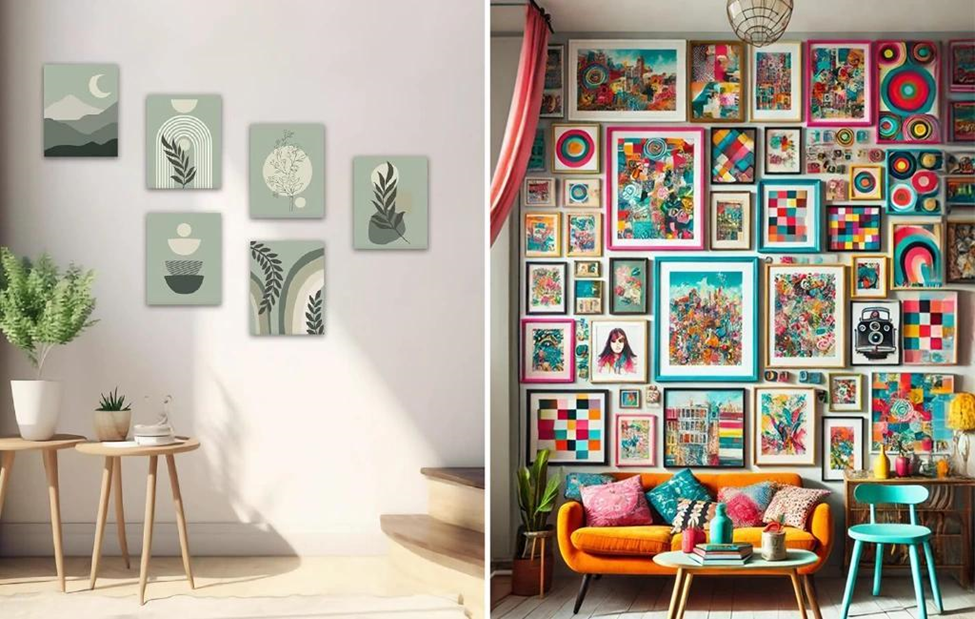
Visually, minimalist vs maximalist design creates two distinct atmospheres. Minimalist interiors rely on neutral palettes, clean lines, and limited décor to create openness and clarity. Every object stands out, making composition crucial. Maximalist interiors, by contrast, use bold colors, layered patterns, art, and contrast to build visual depth. The eye is invited to explore rather than rest. Minimalism emphasizes what is removed, while maximalism emphasizes what is displayed. Each visual language influences mood, energy, and how stimulating or soothing a space feels.
Functional Differences
From a functional standpoint, minimalist vs maximalist design affects how spaces are used and maintained. Minimalist homes prioritize efficiency, clear circulation, and hidden storage, making daily routines faster and simpler. Maximalist homes support creativity and emotional comfort but often require more time for organization. Storage becomes more visible, and furniture layouts may be denser. Minimalism suits people who value order and predictability, while maximalism suits those who enjoy interaction with their environment. Functionality improves when the chosen style aligns with real daily habits.
Cost & Maintenance
Cost and upkeep differ noticeably in minimalist vs maximalist design. Minimalism often involves fewer items but higher-quality furniture and finishes, leading to higher initial costs but lower long-term maintenance. Maximalism allows gradual accumulation, spreading costs over time, but increases cleaning, dusting, and visual management. Repairs and updates may be more frequent due to the number of elements involved. Choosing between the two requires balancing budget, available time, and willingness to maintain either strict simplicity or curated complexity over the long term.
Which Should You Choose?
Choosing between styles depends on how you want your home to support your daily life. In any design style comparison, there is no universal winner—only what aligns best with your habits, stress tolerance, and emotional needs. Some people thrive in visually quiet spaces, while others feel comforted by layers and personal objects. Ask yourself whether your home should calm you down or energize you, simplify decisions or encourage expression. The best choice is the one that reduces friction in your routine and feels natural to maintain, not the one that simply looks good in photos or follows trends.
Personality & Lifestyle Factors
Your personality plays a decisive role in choosing between styles. If you value order, routine, and mental clarity, minimalism interior design may support your lifestyle by reducing distractions and decision fatigue. It suits people with busy schedules or high cognitive load. On the other hand, creative, expressive, and emotionally driven individuals often feel more at ease in layered environments that reflect their identity. Lifestyle matters too—families, collectors, or frequent hosts may struggle with strict minimalism. A style that aligns with how you live daily will always feel more comfortable and sustainable long term.
Space Size Considerations
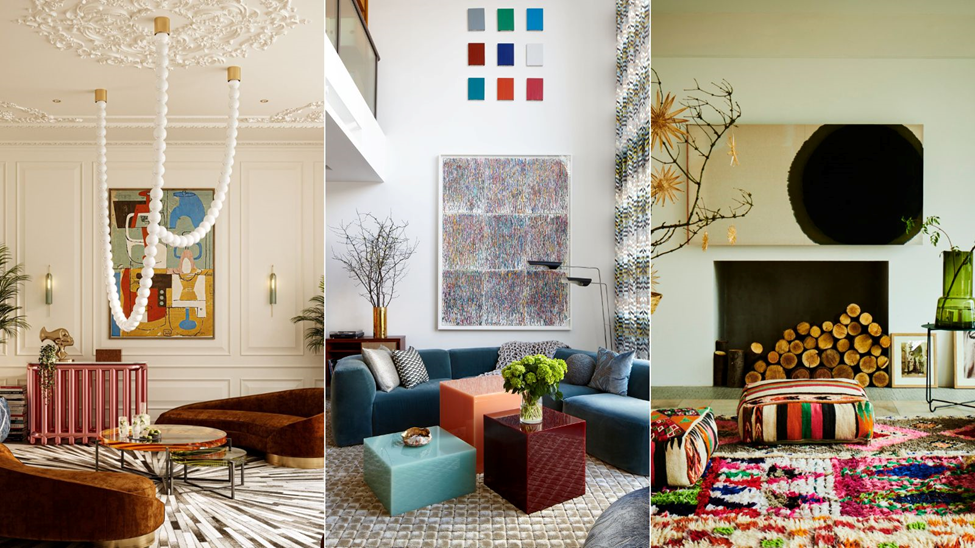
The size and layout of your home strongly influence which approach works best. In smaller apartments, maximalism interior design requires careful control to avoid visual overload, while minimalism can enhance the feeling of space and light. Larger homes, however, can support richer layers without feeling crowded. Ceiling height, natural light, and storage capacity all matter. A compact space benefits from visual restraint, while larger rooms may feel empty without depth. Understanding your spatial limits helps you adapt a style realistically instead of forcing an aesthetic that fights the architecture of your home.
Conclusion
Ultimately, the real question is not trends but which style is best for you. Homes should support well-being, not demand constant adjustment. Whether you lean toward simplicity, richness, or a thoughtful mix of both, success lies in intention. A balanced approach often works best: structured layouts with expressive accents, or layered spaces with moments of calm. When design aligns with personality, space, and lifestyle, the result feels effortless. The right style is the one that makes your home easier to live in, easier to maintain, and emotionally supportive every single day.