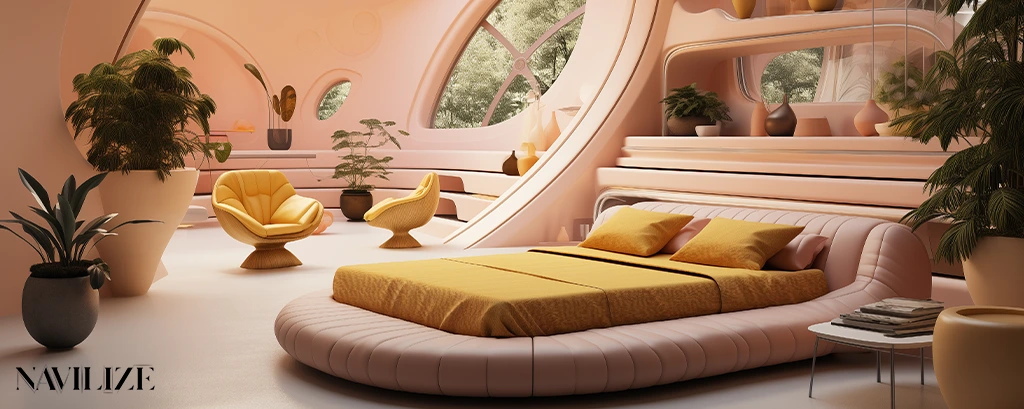
Modern homes are often designed for visual impact rather than mental comfort, which can lead to constant sensory strain. Neuro diversity interior design addresses this gap by focusing on how different brains perceive space, light, sound, and texture. Instead of overstimulation, these interiors prioritize clarity, predictability, and emotional regulation. Design decisions are guided by neurological comfort rather than trends, resulting in spaces that feel grounding and supportive. By reducing excess visual noise and harsh sensory input, neuro diversity-friendly homes promote focus, calm, and recovery. In 2025, this approach is gaining recognition as an essential framework for creating healthier living environments that respect cognitive diversity.
What Is Neuro diversity in Interior Design?
Neuro diversity in interior design recognizes that people process sensory information in vastly different ways. In the context of ADHD home design, interiors are shaped to minimize distractions while supporting attention, organization, and emotional balance. This design philosophy adapts spatial planning, lighting, and material choices to individual neurological needs. Many of these principles align with contemporary spatial frameworks explored in professional residential planning and architectural thinking, such as those discussed within modern interior architecture approaches found ininterior architecture principles. Rather than creating one-size-fits-all spaces, neuro diversity-focused design encourages adaptable environments that respond to how occupants actually live and think.
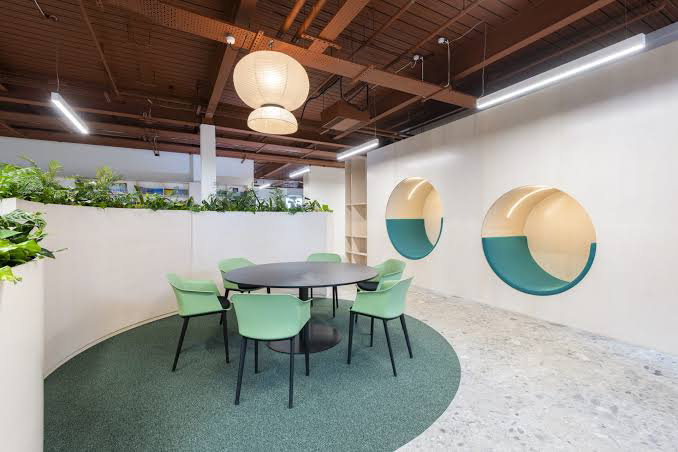
Common Sensory Triggers in Traditional Homes
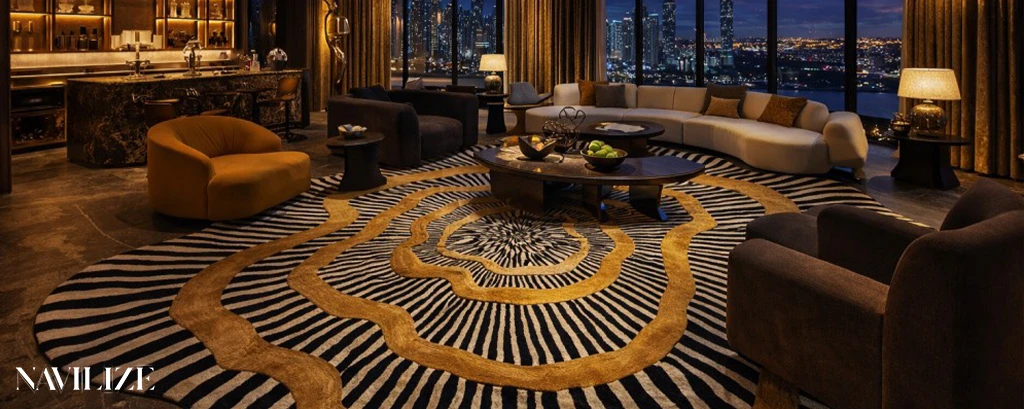
Conventional residential interiors often overlook sensory regulation, unintentionally creating environments that feel overwhelming. Busy layouts, glossy surfaces, and uncontrolled lighting frequently clash with the goals of neuroinclusive design, which seeks comfort and accessibility. Open-plan spaces, in particular, can intensify noise and visual chaos. These challenges have prompted designers to rethink spatial strategies through more human-centered methods, similar to approaches explored in contemporary interior design practice. Identifying common triggers is the first step toward creating interiors that reduce stress, improve focus, and support emotional well-being.
Visual Clutter and Overstimulation
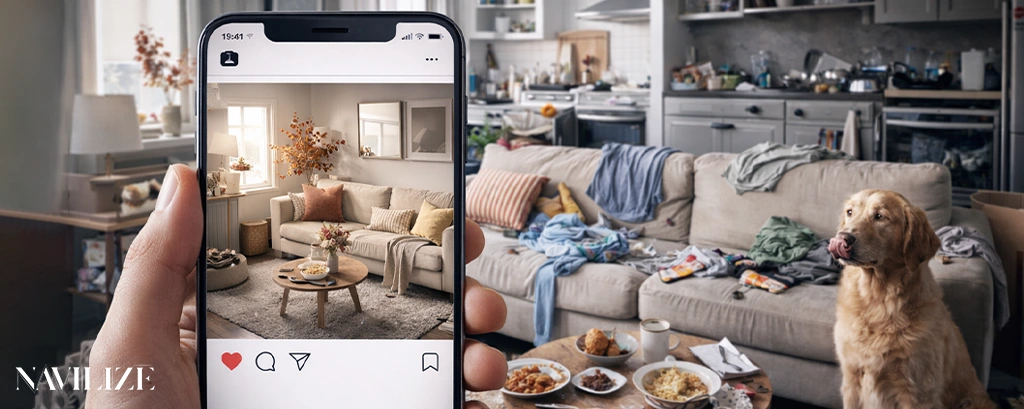
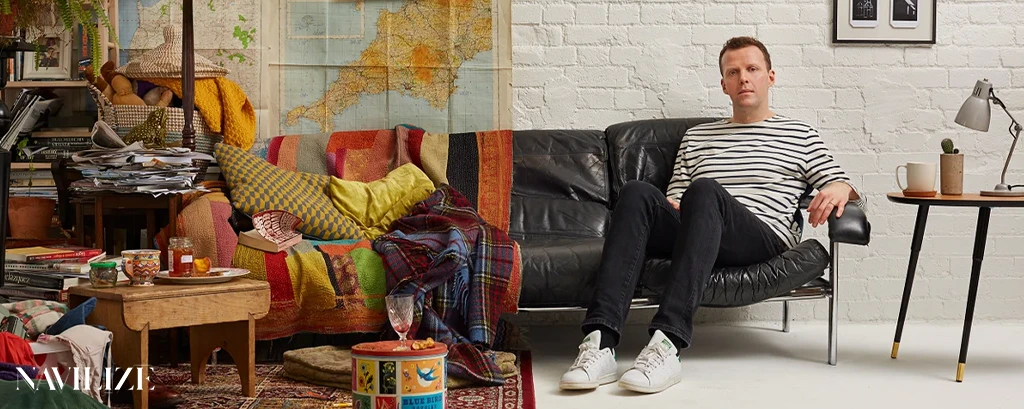
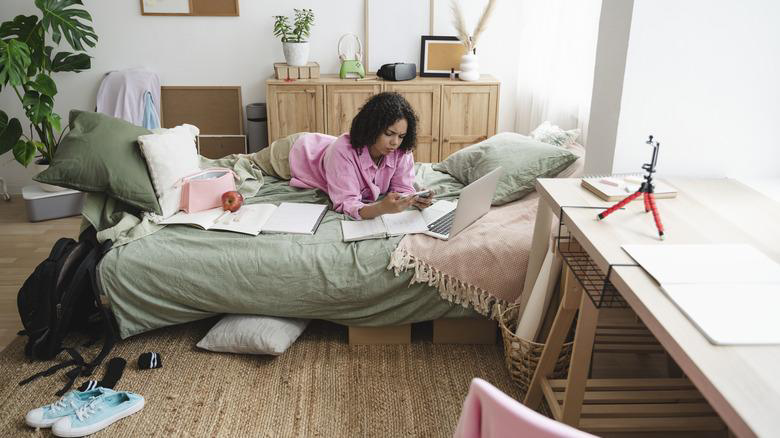
Visual clutter is one of the most common sources of sensory overload in homes. Excess décor, exposed storage, mixed patterns, and competing focal points overwhelm the brain and disrupt concentration. When everything demands attention, mental fatigue increases rapidly. Simplifying visual layers through concealed storage, limited color palettes, and intentional focal points helps create visual rest. Clear surfaces and restrained styling allow the mind to process space more calmly, supporting emotional regulation and sustained focus throughout the day.
Noise, Lighting, and Texture Issues
Uncontrolled acoustics, harsh lighting, and inconsistent textures often contribute to discomfort, especially in autism-friendly homes. Hard surfaces amplify sound, while bright or flickering lights can cause distress. Highly textured materials may feel unpredictable or irritating. Addressing these issues requires sound-absorbing materials, layered lighting, and tactile consistency. Soft furnishings, dimmable light sources, and carefully selected finishes work together to create environments that feel stable, calming, and supportive rather than overwhelming.
Design Strategies for ADHD and Autism-Friendly Homes
Effective sensory-friendly design focuses on reducing cognitive load while increasing environmental clarity. This includes predictable layouts, controlled lighting, and simplified visual cues. Clear circulation paths and consistent materials help occupants feel oriented and safe. These strategies allow individuals to engage with their environment without constant sensory negotiation. By designing spaces that support regulation rather than stimulation, homes become tools for well-being, encouraging calm routines and reducing emotional fatigue.
Simplified Visual Hierarchy
A strong visual hierarchy is essential in neuro diversity interior design. When spaces clearly communicate purpose through layout, color, and lighting, the brain expends less energy processing the environment. Furniture placement, defined focal points, and intentional contrasts guide attention naturally. This clarity reduces anxiety and helps occupants transition smoothly between activities. Simplified hierarchy supports focus and emotional stability without sacrificing visual interest.
Calm Color Palettes and Matte Finishes
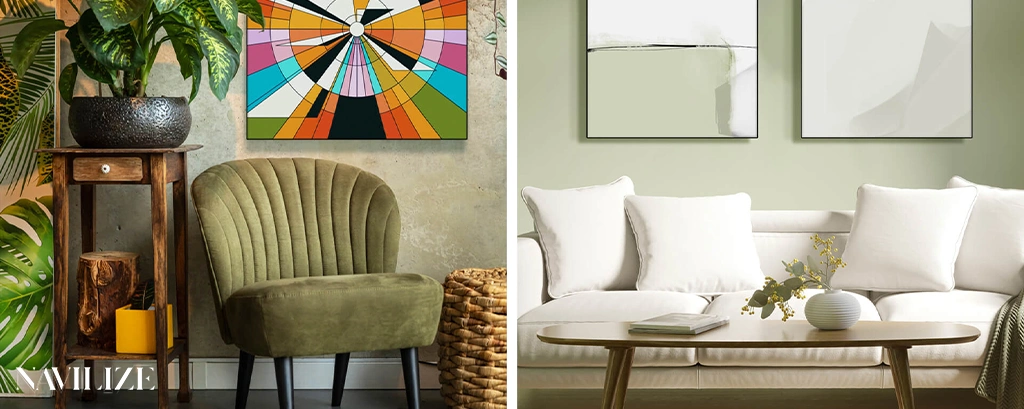
Color and surface finish play a crucial role in creating low stimulation interiors. Muted, neutral tones reduce visual noise and promote emotional balance. Matte finishes prevent glare and harsh reflections, which can be mentally exhausting. Together, these choices create environments that feel soft, grounded, and predictable. The result is a calming atmosphere that supports relaxation and sustained attention.
Furniture, Layout, and Zoning for Regulation
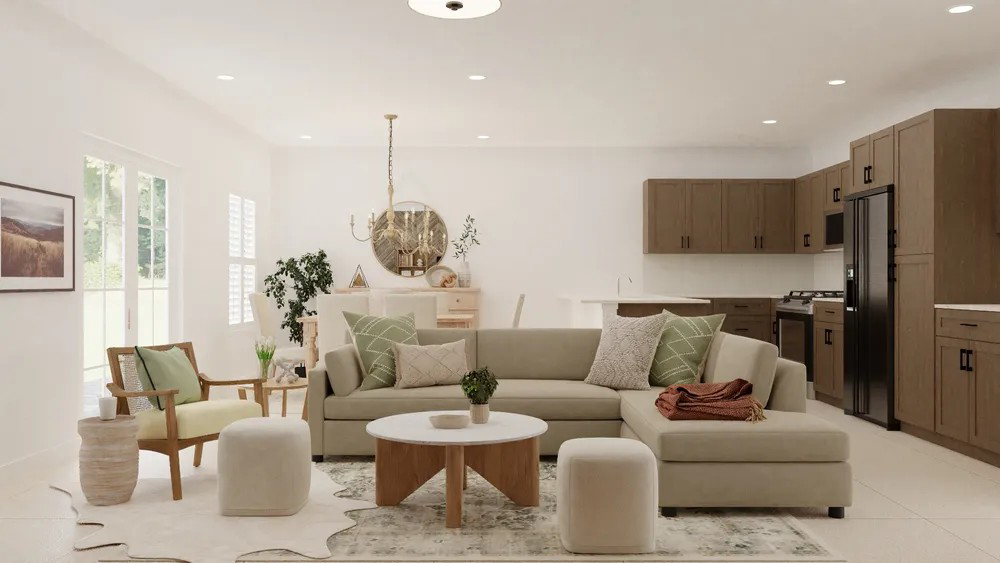
Furniture selection and layout directly influence emotional comfort, especially in autism-friendly homes. Oversized or visually complex furniture can feel oppressive, while poorly defined layouts cause confusion. Thoughtful zoning helps establish routine and predictability. Clear pathways, intentional spacing, and supportive seating arrangements encourage movement and rest without stress. These design choices help occupants feel in control of their environment, fostering a sense of safety and regulation.
Clear Zones for Focus, Rest, and Movement
Clearly defined zones are fundamental to neuro diversity interior design. Separating areas for work, relaxation, and movement helps the brain shift between tasks more easily. Visual cues such as rugs, lighting, or furniture orientation reinforce these zones without physical barriers. This organization supports routine, reduces cognitive overload, and improves daily functioning.
Creating Recovery and Decompression Spaces at Home
Dedicated decompression areas are vital in ADHD home design. These spaces provide relief from sensory input and support emotional recovery. Soft lighting, minimal décor, and comforting textures help regulate the nervous system. Whether used for quiet reflection, rest, or self-soothing, recovery spaces allow individuals to reset and maintain balance. In neuro diversity-friendly homes, these areas are not optional extras but essential components of healthy living.