Proper nighttime lighting is essential for maintaining both health and safety at home. Poorly planned lighting can disturb sleep cycles and reduce nighttime visibility, increasing the risk of accidents. Thoughtful placement, intensity control, and color temperature adjustments create an environment that supports natural circadian rhythms. Designing with circadian lighting design principles in mind balances safety, comfort, and visual appeal, ensuring residents can navigate spaces easily without disrupting sleep patterns. Integrating dimmers, sensors, and indirect lighting enhances functionality while promoting restful environments. This approach provides a holistic solution, combining safety, aesthetics, and biological well-being for modern homes.
Understanding Circadian Rhythm and Light
The human circadian rhythm relies on natural light cues to regulate sleep, hormone production, and alertness. Exposure to artificial light at inappropriate times can confuse the body’s internal clock, affecting sleep quality and overall health. Using lighting that limits disruptive wavelengths supports better rest while maintaining functionality. Incorporating low blue light lighting in nighttime environments reduces interference with melatonin production and aligns with natural circadian patterns. Implementing these strategies is a key component of creating healthier home environments, enabling spaces that are visually comfortable and biologically supportive. Awareness of circadian rhythms ensures more restorative nights and enhanced well-being.
Why Traditional Night Lighting Disrupts Sleep
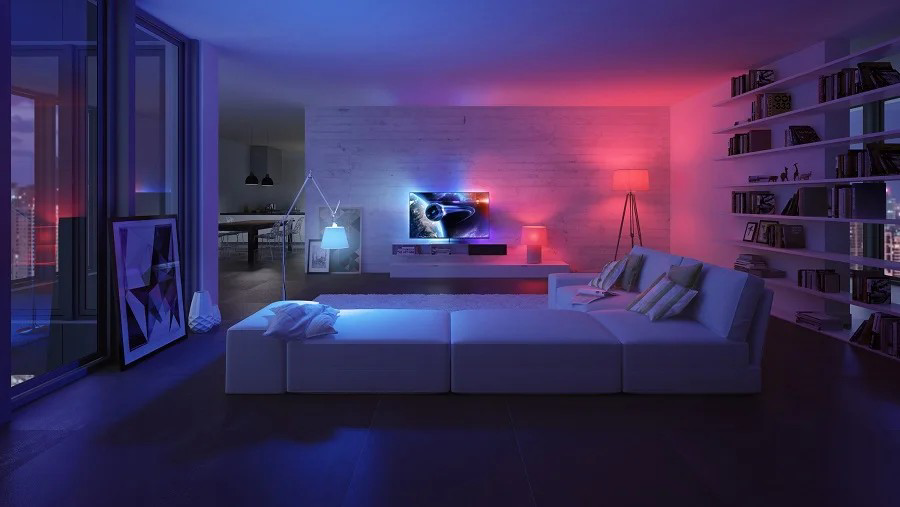
Conventional nighttime illumination often relies on bright, cool-toned lights that disrupt natural sleep patterns. Exposure to intense overhead lighting or unshielded bulbs can suppress melatonin, leading to delayed sleep onset and reduced sleep quality. Thoughtless placement also contributes to glare, visual discomfort, and fragmented rest. Designing night lighting for sleep requires careful attention to brightness, color temperature, and fixture positioning. Incorporating strategies demonstrated in modern interior design solutions shows how dimmable, indirect, or low-intensity lighting can support uninterrupted sleep. Effective planning ensures residents enjoy both safety and restful environments without compromising circadian health.
Principles of Circadian-Friendly Night Lighting
Night lighting that respects circadian biology enhances sleep quality and maintains visual safety. Balancing light intensity, color warmth, and fixture type minimizes interference with the body’s natural rhythms. Indirect illumination, dimmable systems, and localized lighting zones allow functional use without overstimulation. Implementing sleep-friendly home lighting ensures residents can navigate spaces safely while supporting melatonin production. Coordinated placement in hallways, bedrooms, and bathrooms prevents overexposure to disruptive light. By integrating circadian principles into design, homes provide restorative environments, reduce nighttime stress, and improve overall health, combining aesthetics, functionality, and biological support in one coherent lighting strategy.
Color Temperature and Brightness Levels
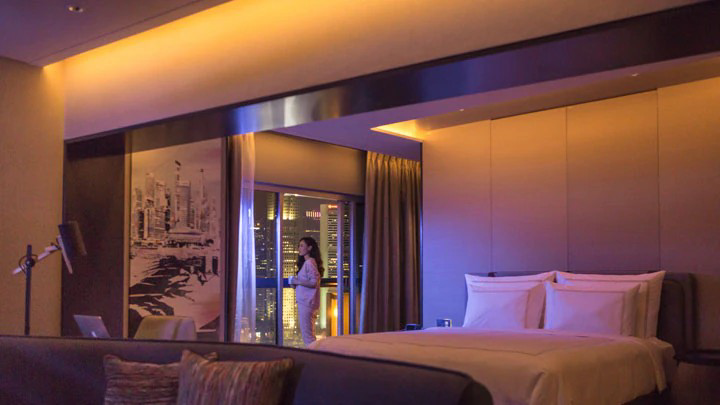
The choice of color temperature and brightness profoundly impacts circadian rhythms and visual comfort. Cooler tones and high-intensity lights increase alertness but disrupt melatonin production at night. Warmer, dimmed lighting supports relaxation and sleep onset. Maintaining appropriate brightness levels in key areas balances visibility with biological needs. Prioritizing healthy lighting interiors ensures occupants experience reduced glare, better mood, and improved circadian alignment. Adjustable lighting systems allow users to tailor intensity and temperature for different times of night, creating environments that are visually comfortable, safe, and biologically supportive. Thoughtful control of lighting enhances both functionality and wellness throughout the home.
Indirect and Pathway Lighting
Indirect illumination and targeted pathway lighting improve safety while minimizing sleep disruption. Wall-mounted fixtures, under-cabinet lights, and low-level floor lighting create visual guidance without glare. This approach supports nocturnal navigation while maintaining a calm atmosphere conducive to rest. Implementing nighttime safety lighting ensures residents can move through hallways, bathrooms, and stairs safely, even during the darkest hours. Layered lighting strategies provide both functional visibility and comfort. By integrating indirect and pathway lights into design, homes achieve a balance between safety, circadian alignment, and aesthetic quality, reducing sleep interruptions while enhancing nighttime mobility and overall well-being.
Best Night Lighting Solutions by Room
Optimizing night lighting by room type allows tailored solutions that balance safety, functionality, and circadian health. Bedrooms, bathrooms, hallways, and stairways benefit from dedicated strategies that minimize disruption while providing sufficient visibility. Implementing healthy lighting interiors across these spaces ensures consistent, biologically supportive illumination. Layering indirect lights, low-intensity fixtures, and dimmable options enhances flexibility while aligning with sleep cycles. Thoughtful integration of these principles reduces eye strain, prevents accidents, and maintains restful environments. Applying room-specific circadian lighting approaches creates a cohesive, safe, and sleep-friendly home environment, improving both comfort and overall wellness for occupants.
Bedrooms
Bedrooms require gentle, low-intensity lighting that supports natural sleep cycles. Overhead or cool-toned lights should be replaced with dimmed, warm illumination that promotes melatonin production. Strategic placement of nightlights or bedside lamps allows safe movement without disturbing sleep. Designing night lighting for sleep ensures occupants can relax and wake naturally while minimizing exposure to disruptive blue light. Layered, dimmable lighting enhances comfort and visual appeal. Attention to circadian-aligned bedroom lighting improves sleep quality, supports hormonal balance, and contributes to overall physical and mental health, creating restorative nighttime environments tailored to the home’s needs.

Hallways and Bathrooms
Nighttime navigation in hallways and bathrooms benefits from soft, indirect illumination that guides movement safely. Low-level floor lights, sensor-activated fixtures, and subtle wall lighting prevent glare while maintaining visibility. Properly implemented circadian lighting design ensures these areas do not interfere with sleep cycles, supporting restful environments. Integrating dimmers and warm-toned lighting reduces melatonin suppression while providing necessary safety. Coordinated placement along traffic paths improves nighttime mobility without causing abrupt awakenings. Thoughtful circadian-informed lighting in these spaces enhances both comfort and safety, creating a home environment that supports restful sleep and healthy biological rhythms throughout the night.