The psychology of interior design explains how colors, lighting, materials, and spatial organization shape our emotions, behavior, and overall well-being. A carefully planned environment can ease stress, improve focus, and create a sense of balance and comfort. Features such as natural light, biophilic design, harmonious color palettes, and uncluttered layouts work together to create positive emotional experiences. Whether at home or in the workplace, design decisions directly influence how people feel and interact with their surroundings. By understanding these psychological principles, we can create spaces that truly support human well-being.
How Interior Design Influences Emotion
source: vecteezy.com
Interior design strongly affects emotional responses. Colors, textures, lighting, and spatial flow can evoke calmness, energy, or focus depending on how they are applied. Warm tones bring comfort, cool tones encourage clarity, and natural materials promote relaxation. Even furniture placement shapes perception by influencing movement and openness. When design aligns with human psychology, environments become supportive instead of overwhelming. For deeper guidance, explore our professional interior design services.
Comfort, calm, energy, focus
Interior spaces influence daily mood and behavior by shaping comfort, calm, energy, and focus. Soft textures, balanced layouts, and soothing materials encourage relaxation, while brighter lighting and dynamic shapes increase alertness. This connection highlights the importance of interior design and mental health, showing how intentional environments can support emotional balance. When a space is created to meet psychological needs by offering both stimulation and tranquility, it becomes a powerful tool for improving well-being.
Color Psychology in Home Design
source: vecteezy.com
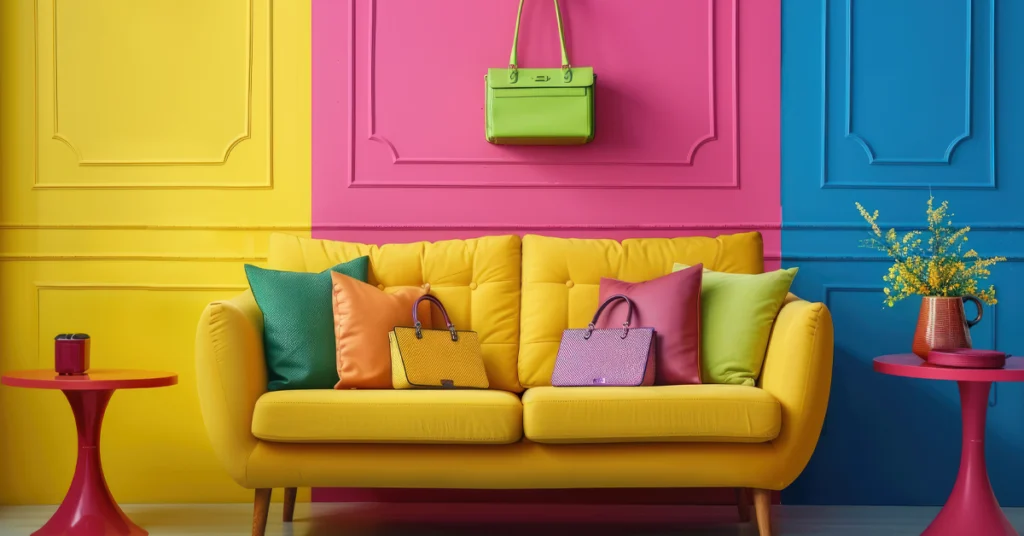
Color plays a central role in wellbeing design principles, influencing mood, perception, and emotional reactions. Strategic color choices can make a space feel relaxing, energizing, or grounding depending on its purpose. Muted tones support calmness, while saturated shades increase motivation and activity. Understanding color psychology home techniques allows homeowners to create interiors that feel supportive and meaningful. Today, color is not simply decorative, it is a psychological tool that shapes the emotional impact of each room.
Warm vs cool tones
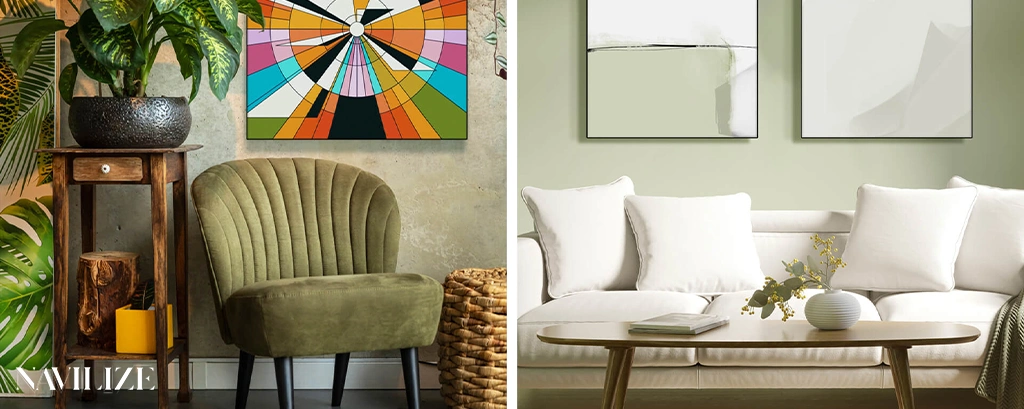
Warm tones like terracotta, beige, and muted gold evoke connection and comfort, making them ideal for social spaces. Cool tones such as blue, teal, and soft gray promote clarity and calm, supporting concentration in study or work areas. When balanced thoughtfully, warm and cool hues enhance color psychology home results and help define the emotional purpose of each room.
Emotional responses to color
Colors influence emotions in predictable ways. Blues and greens soothe, reds energize, yellows uplift, and neutrals stabilize. These responses help designers shape the emotional impact of interiors so that each room supports specific psychological needs. Soft hues reduce anxiety, while bold accents stimulate creativity. Understanding these cues helps homeowners create spaces that feel meaningful and emotionally aligned.
The Power of Natural Light
source: vecteezy.com
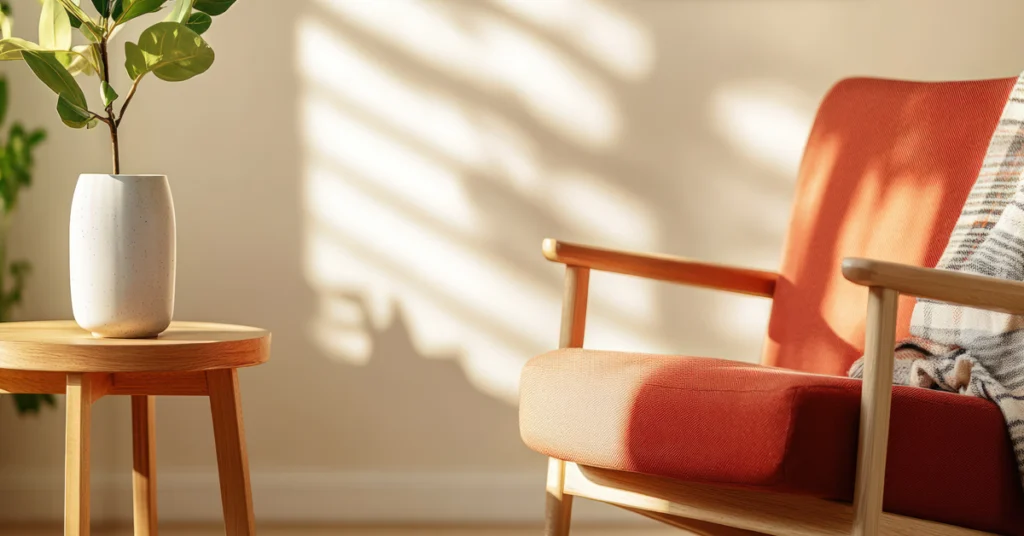
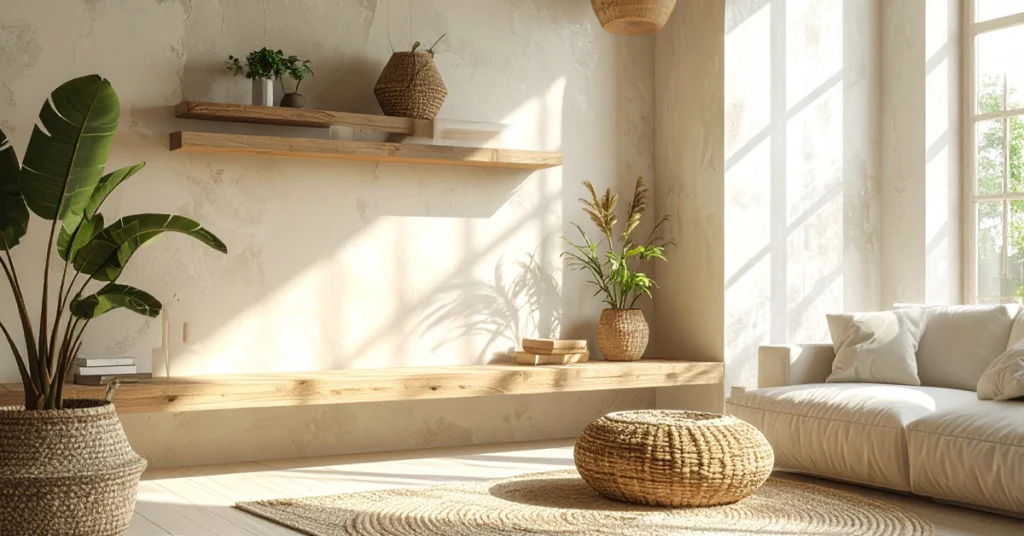
Natural light is essential to healthy interiors. It boosts mood, increases energy levels, and improves productivity. Bright, naturally lit environments feel open and inviting, reducing stress and supporting well-being. As a key element of biophilic design, natural light strengthens our connection to daylight cycles and the outdoors. Adding skylights, large windows, or reflective surfaces can dramatically change how a space is experienced.
Mood, productivity, circadian rhythm
Exposure to natural light helps regulate the circadian rhythm, improving sleep, alertness, and emotional balance throughout the day. Morning light enhances focus, while softer evening light promotes relaxation. Thoughtful lighting design aligns indoor environments with natural biological patterns and supports long-term mental health.
Biophilic Design Principles
source: vecteezy.com
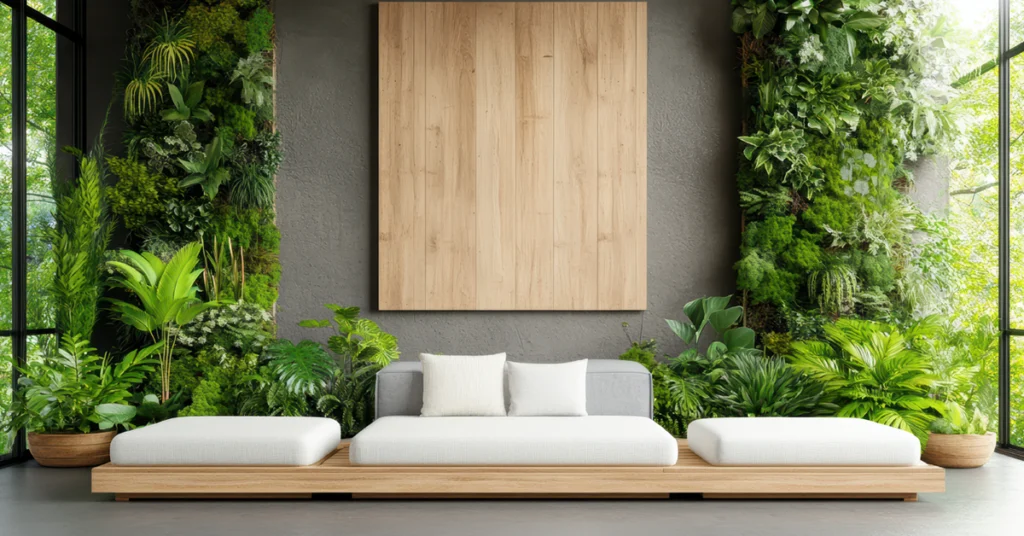
Biophilic design brings nature into the home through plants, natural textures, and organic shapes. These elements reduce stress, improve mood, and create a grounded, calming atmosphere. Incorporating wood, stone, greenery, and flowing forms enriches sensory experience and supports relaxation. This approach reflects how deeply the psychology of interior design influences emotional well-being.
Plants, natural textures, organic shapes
Plants clean the air and add visual softness. Natural textures like wood grain, stone, and woven fibers bring warmth and sensory richness. Organic shapes such as curved furniture and rounded decor reduce visual tension. Together, these elements strengthen the connection to nature and demonstrate how interior choices influence mood and behavior.
Spatial Flow and Well-being
source: vecteezy.com
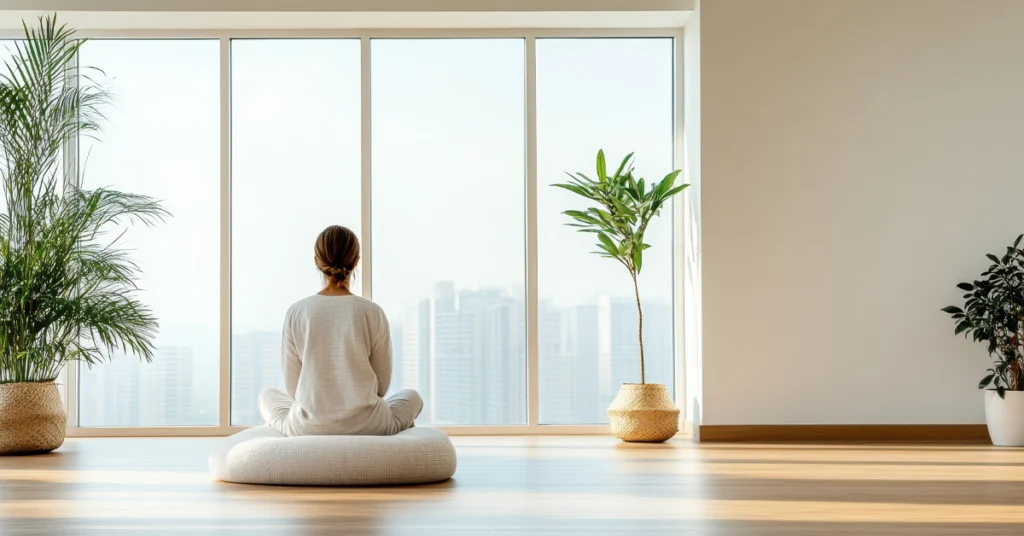
Spatial flow plays an important role in comfort and mental clarity. Smooth circulation, balanced proportions, and uncluttered areas lower stress and create harmony. Open, easy-to-navigate rooms help occupants feel relaxed and focused. This principle ties directly into the psychology of interior design, showing how layout shapes emotional response and functionality.
Clutter psychology
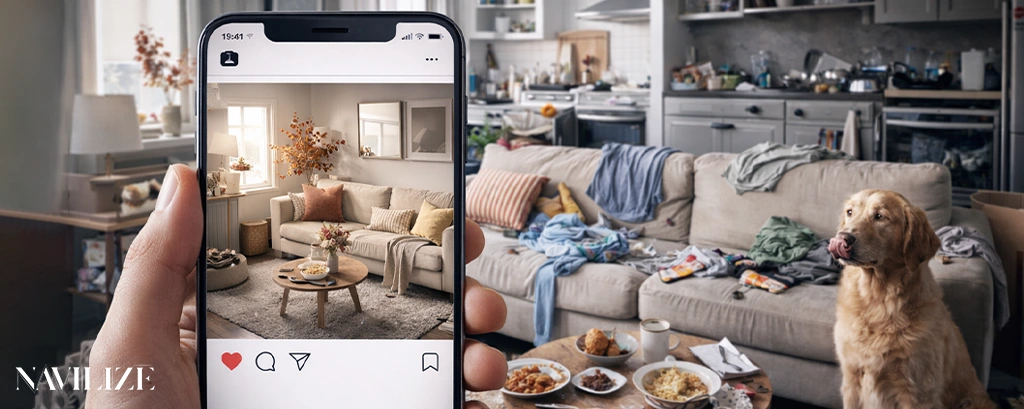
Clutter overwhelms the senses and increases stress while lowering productivity. Psychologically, excessive objects signal disorder, preventing the mind from relaxing. Effective storage, clean lines, and reduced visual noise support emotional stability. Understanding clutter psychology helps create interiors that feel clear, calm, and mentally refreshing.
Layout and mental clarity
A well-organized layout improves mental clarity by defining functional zones and reducing decision fatigue. When furniture placement supports natural movement, the mind feels grounded and focused. Adequate breathing space and simple arrangements lower cognitive overload, reflecting how the psychology of interior design shapes everyday experience.
Sensory Design: Materials, Textures, Acoustics
source: vecteezy.com
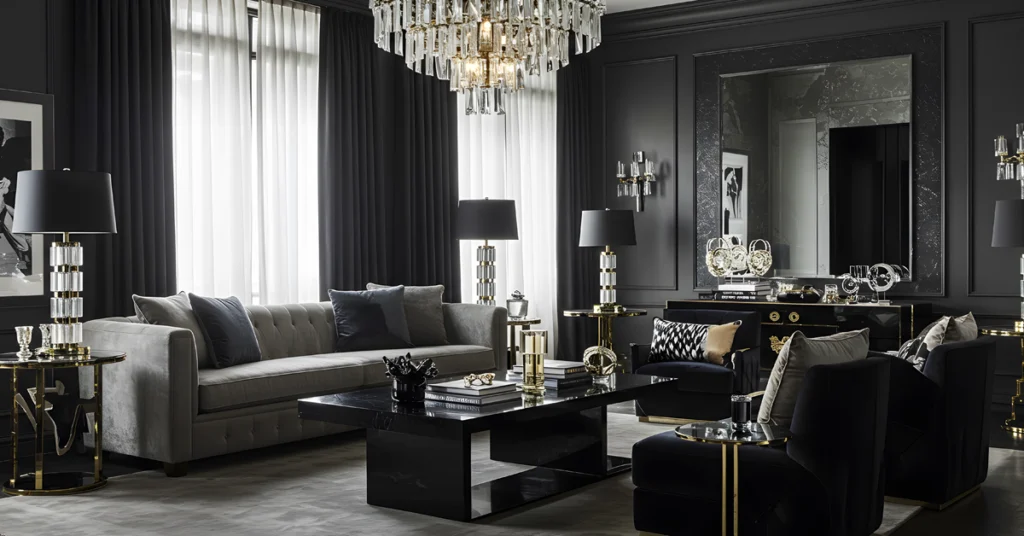
Sensory design engages sight, touch, and sound to create emotionally supportive environments. Soft textures foster comfort, acoustic control reduces stress, and warm materials such as wood add coziness. Balanced sensory input prevents overstimulation and supports wellness-centered living. These principles reveal how strongly the psychology of interior design influences daily comfort and emotional balance.
How Navilize Uses Psychology to Design Healthier Homes
At Navilize, every design choice is guided by the psychology of interior design to create homes that support emotional and physical well-being. By integrating natural light, biophilic design, harmonious colors, and purposeful layouts, our spaces are crafted to reduce stress and improve comfort. This wellness-focused approach uses evidence-based design methods to create balanced interiors that elevate everyday life.