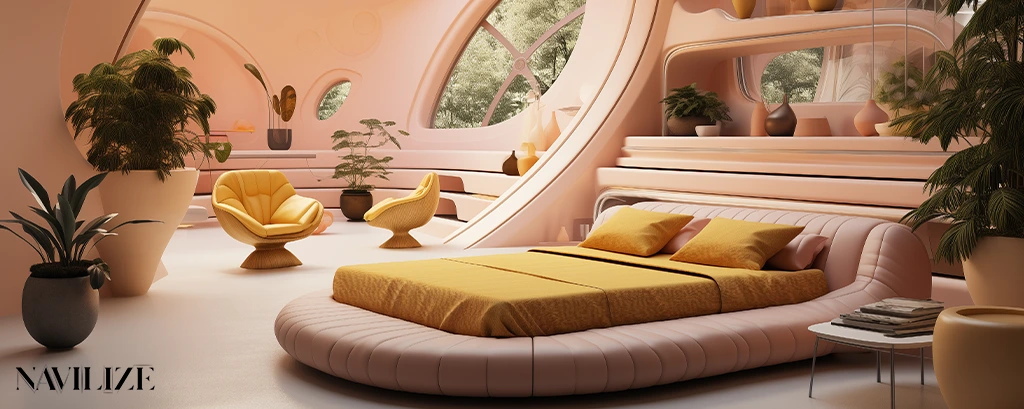
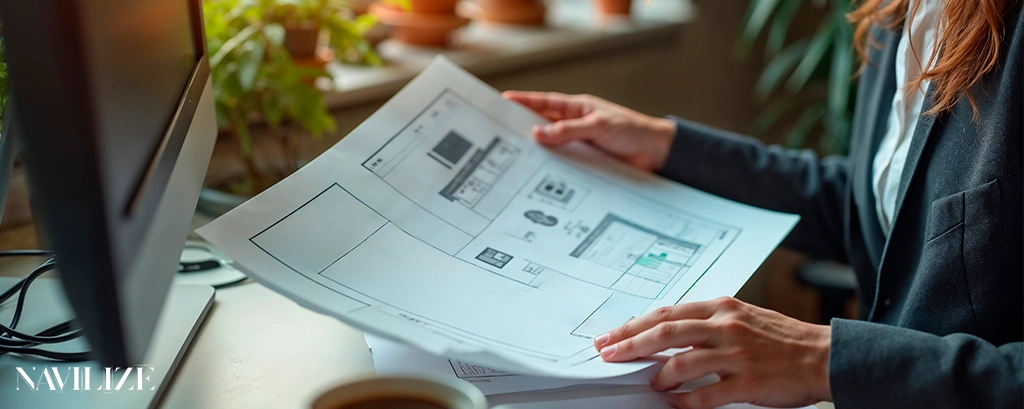
As interior design trends 2026 continue to evolve, homes are shifting toward calm, functional, and emotionally warm spaces. Designers are focusing on natural light, soft earth-tone palettes, clean silhouettes, and furniture that serves multiple purposes. Textured materials, organic shapes, and subtle layering help create depth without clutter. There is also a growing emphasis on sustainable choices and mixing tactile elements like wood, stone, and linen. The goal is to make interiors feel modern yet inviting. These ten trend tricks highlight how 2026 blends minimalism with comfort to create harmonious, beautifully balanced living environments.
Why 2026 Is All About Warm Minimalism
source: vecteezy.com
The design world in 2026 is embracing warm minimalism, an approach that keeps simplicity but adds comfort through texture, soft lighting, and earthy colors. This style avoids cold, empty spaces by incorporating natural materials, curved forms, and cozy layering. People want homes that feel organized yet lived-in, clean but never sterile. In warm minimalism, every object has a purpose and every surface feels intentional. To explore how this balance shapes modern spaces, check out the full guide tointerior design and see how this trend is transforming homes worldwide.
Softer Lines, Tactile Surfaces
One of the defining features of 2026 interior decor is the shift toward softer lines and deeply tactile surfaces. Curved furniture, rounded edges, and organic silhouettes replace harsh angles, creating a more soothing visual flow inside the home. Designers are embracing materials that invite touch, like boucle, raw wood, natural stone, and textured wall finishes, to add warmth and depth. These elements make spaces feel more human, comfortable, and emotionally grounded. The combination of gentle shapes and touchable textures helps create interiors that are modern yet welcoming, proving that softness can be both stylish and deeply functional in contemporary living.
Earthy and Desert-Inspired Palettes
source: vecteezy.com
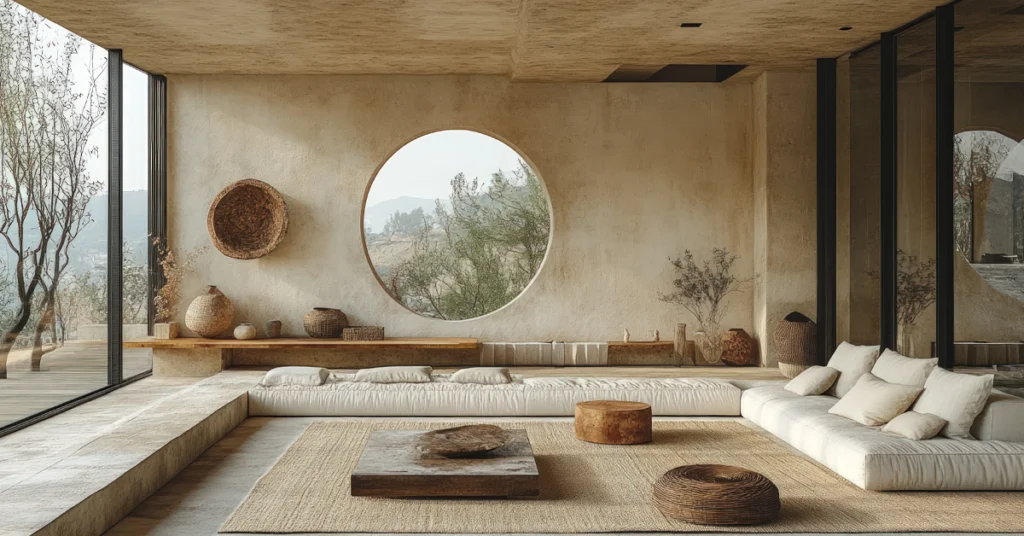
Among the most influential emerging interior trends, earthy and desert-inspired palettes are becoming key to creating warm, grounded interiors. These schemes draw from sun-baked landscapes, combining sandy neutrals, warm browns, ochre tones, and muted beige shades. They bring a sense of calm, stability, and natural warmth into modern homes. Designers favor these palettes because they pair beautifully with natural materials like stone, wood, clay, and woven textiles. The overall effect is a serene, inviting space that feels both contemporary and timeless. Earth-inspired colors also help create a relaxed atmosphere that suits open-plan living and cozy personal spaces alike.
Terracotta, Clay, Muted Greens
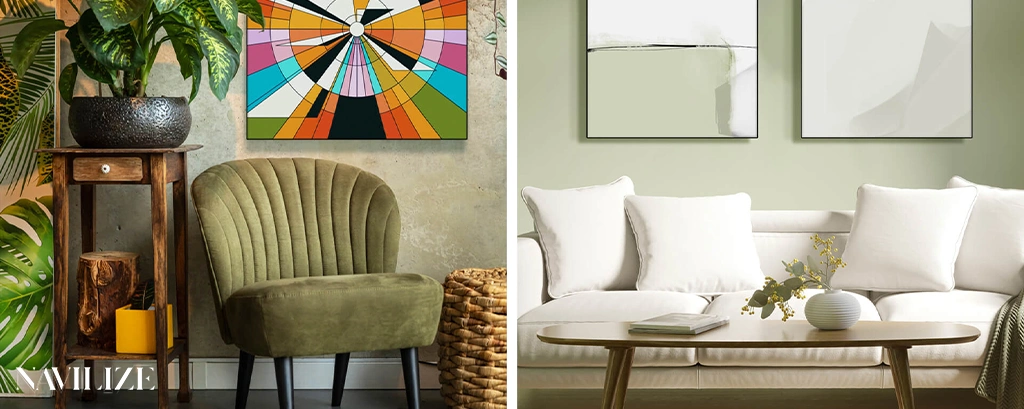
In color trends for 2026, terracotta, clay tones, and muted greens stand out as some of the most expressive and grounding shades of the year. These colors introduce warmth, depth, and a natural sense of balance to interiors. Terracotta adds cozy earthiness, clay tones bring rich softness, and muted greens offer a calming, organic freshness. Together, they create a harmonious palette that suits both minimalist and nature-inspired design styles. These hues pair beautifully with natural textures like linen, plaster, stone, and matte metals. The result is a space that feels modern, emotionally warm, and deeply connected to the natural world.
Smart Multi-Use Spaces
source: vecteezy.com
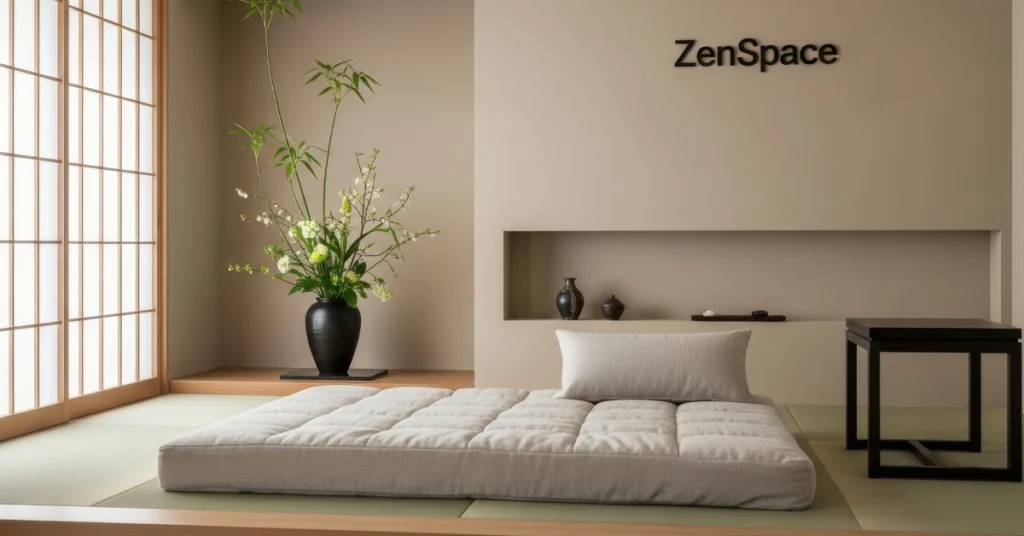
One of the most practical ideas highlighted in San Diego home design trends is the rise of smart multi-use spaces, rooms that adapt to different needs throughout the day. Homes are becoming more flexible, blending work, relaxation, and storage into a single well-designed area. Fold-away desks, modular furniture, hidden storage, and convertible seating help maximize every square meter without feeling cluttered. These spaces make daily routines easier and allow homes to evolve with changing lifestyles. By focusing on versatility and thoughtful layout, multi-use rooms create a seamless balance between function and comfort, perfectly matching the modern demand for efficiency and simplicity.
Hybrid Living Areas and Micro-Zoning
In the future of interior design, hybrid living areas and micro-zoning are becoming essential strategies for creating flexible, functional homes. Instead of relying on rigid room divisions, modern layouts blend multiple activities, working, relaxing, dining, and exercising, within a single adaptable space. Micro-zoning uses furniture placement, layered lighting, rugs, and subtle partitions to create small, defined zones without closing the room off. This approach keeps the home open and airy while still providing structure and clarity. Hybrid spaces allow households to shift effortlessly between tasks, making daily life smoother and more efficient. It is a forward-thinking solution for today’s dynamic lifestyles.
Organic-Shaped Furniture

source: vecteezy.com
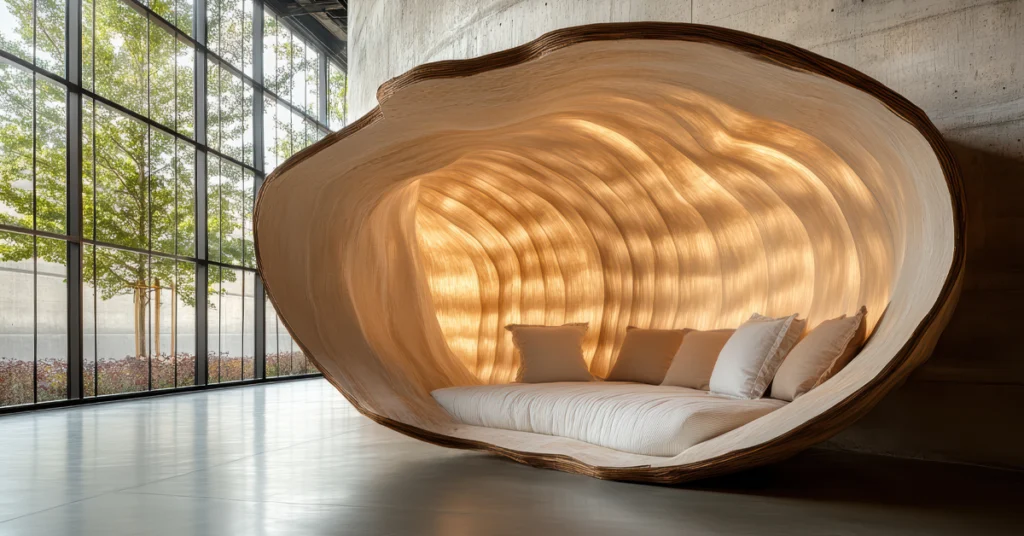
Organic-shaped furniture is transforming modern interiors by adding softness, harmony, and a naturally calming aesthetic. Instead of harsh geometry, designers now favor fluid forms that echo shapes found in nature, waves, pebbles, and gentle curves. These pieces not only make a room feel more welcoming but also improve flow and comfort. Sofas with rounded edges, oval coffee tables, and curved shelving create a sense of movement that feels both modern and timeless. This style helps reduce visual clutter and enhances emotional warmth, making it ideal for living rooms, bedrooms, and any space where relaxation is a priority.
Curves Replacing Sharp Lines
The shift from sharp angles to curved forms is one of the most influential design changes of recent years. Curves soften the overall look of a room, creating an environment that feels more fluid and less rigid. They naturally guide the eye gently through the space, making interiors more cohesive and visually balanced. Rounded furniture also improves safety, especially in homes with children, while adding a sculptural, artistic touch. These shapes pair beautifully with natural textures and muted palettes, reinforcing a calm, contemporary atmosphere. By replacing straight edges with subtle bends, homes gain a sense of comfort and sophistication.
Sustainable Yet Luxury Material
source: vecteezy.com
Sustainable luxury materials prove that environmental responsibility and elegance can coexist beautifully. Designs now prioritize long-lasting, responsibly sourced materials that offer a sense of authenticity and richness. Surfaces like honed stone, solid woods, and handcrafted textiles elevate interiors without unnecessary extravagance. These materials age gracefully, gaining character over time. Their natural textures introduce warmth, depth, and tactile appeal while supporting a more ethical lifestyle. Choosing sustainable luxury is not only about aesthetics; it is about creating meaningful spaces that feel grounded, timeless, and consciously designed. This approach reflects a growing desire for homes that nurture both well-being and the planet.
Stone, Reclaimed Wood, Natural Fabrics
Stone brings durability and elegance, reclaimed wood adds history and warmth, and natural fabrics introduce softness and comfort. Together, these materials form a balanced palette that feels luxurious yet honest. Stone surfaces, like countertops or accent walls, offer timeless beauty. Reclaimed wood reduces waste while adding character through its unique textures and imperfections. Natural fabrics such as linen, cotton, and wool enhance breathability and tactile richness, making spaces feel inviting. This trio supports healthier indoor environments and aligns perfectly with today’s preference for sustainable design. The result is a home that feels warm, refined, and deeply connected to nature.
Tech-Integrated Design (Without Looking Techy)
source: vecteezy.com
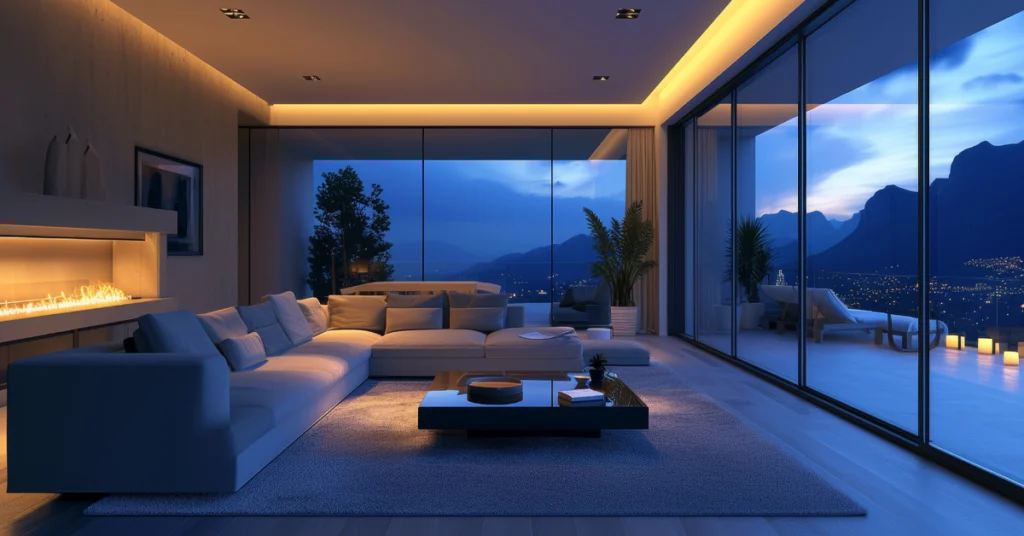
Modern tech-integrated design focuses on blending technology seamlessly into the home without disrupting visual calm. Instead of flashy devices, systems are hidden within architecture, furniture, and lighting. Smart homes now prioritize discretion and comfort; technology should enhance daily life, not dominate it. Climate control, ambient lighting, sound systems, and automated shading operate quietly in the background. This approach allows interiors to stay warm, stylish, and uncluttered while still offering full functionality. By prioritizing subtlety, tech integration becomes an invisible layer of convenience that supports lifestyle needs in a beautifully understated way.
Hidden Systems, Soft Integration
Hidden systems ensure that technology serves the user without overwhelming the design. Speakers tucked into ceilings, wireless chargers inside drawers, sensors behind panels, and concealed wiring all help maintain a clean, cohesive look. Soft integration means allowing tech to merge with materials, colors, and shapes instead of contrasting with them. It also improves ease of use; everything is accessible yet discreet. This style of integration works perfectly for minimalist or luxury spaces where visual serenity is essential. With hidden tech, the home feels smarter, cleaner, and more relaxing, offering all the benefits of innovation without disrupting the aesthetic.
Bold Statement Lighting

source: vecteezy.com
Bold statement lighting has become a key design tool for defining a room’s personality and atmosphere. These dramatic fixtures act as functional sculptures, drawing the eye and establishing a focal point. Oversized pendants, artistic chandeliers, and asymmetric lamps add depth and character even to minimalist interiors. Good statement lighting enhances architectural elements, shapes shadows creatively, and elevates the mood of the entire space. By mixing form and function, designers create lighting that does not just illuminate; it transforms. This trend embraces the idea that a single striking fixture can completely change the energy of a room.
Sculptural Lighting and Oversized Fixtures
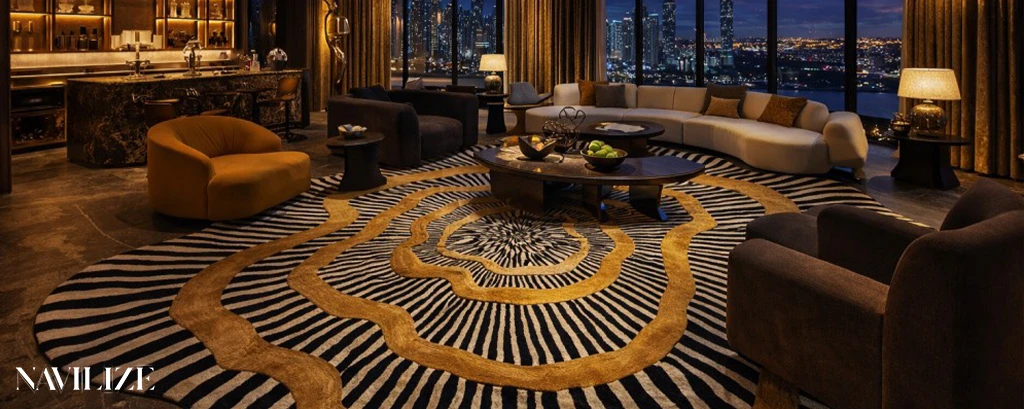
Sculptural lighting turns everyday fixtures into artistic elements that define the room’s identity. Oversized pieces bring boldness and drama, becoming conversation starters and anchoring the entire design. Curved metal forms, blown glass shapes, woven fiber lamps, or layered chandeliers add visual interest and dimension. These fixtures work beautifully in living rooms, dining areas, and entryways where impact is desired. Beyond aesthetics, large-scale lighting distributes light more evenly and creates inviting warmth. By choosing sculptural or oversized designs, homeowners add personality and luxury without clutter, proving that lighting can be both practical and stunningly expressive.
Elevated Neutrals
source: vecteezy.com
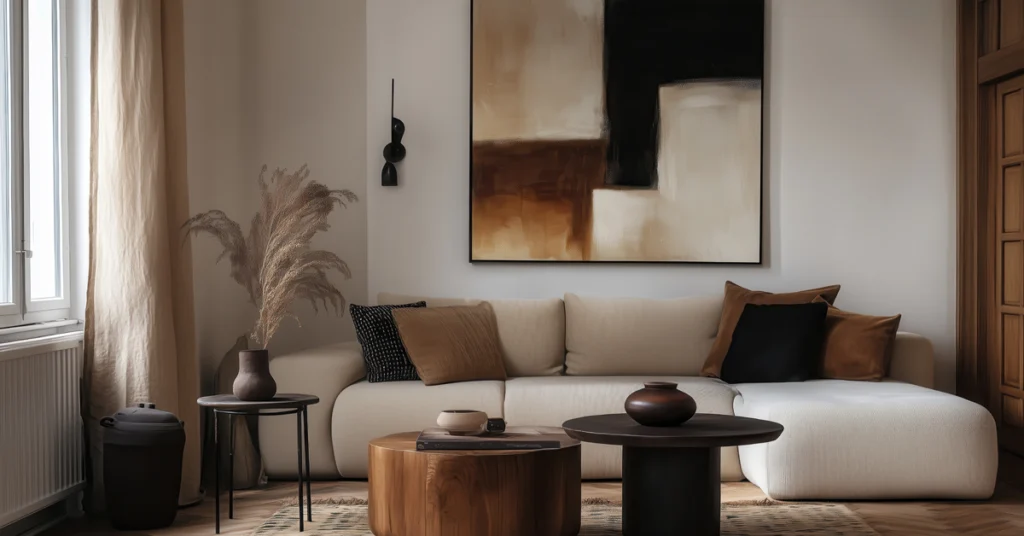
In interior design trends 2026, elevated neutrals are redefining modern comfort by adding depth, warmth, and quiet sophistication to interiors. Instead of flat whites, designers now lean toward layered neutrals that feel soft and grounded. This palette makes rooms brighter, calmer, and more welcoming. Elevated neutrals work beautifully with natural textures like wood, stone, linen, and boucle, creating a harmonious atmosphere. They also provide the perfect backdrop for both minimal and luxe styles, allowing statement pieces to shine without overwhelming the space. This trend reflects a growing desire for homes that feel serene, elegant, and effortlessly timeless.
Sand Taupe, Warm Grey, Oat Beige
Sand taupe, warm grey, and oat beige are standout shades shaping interior design trends 2026. Sand taupe adds subtle richness, warm grey provides calm neutrality without coldness, and oat beige brings natural softness to interiors. Together, these hues form a balanced, elevated palette that works across living rooms, bedrooms, and open-plan spaces. They enhance natural light, pair flawlessly with organic textures, and create a soothing foundation for both modern and vintage-inspired designs. These tones also allow flexibility; homeowners can easily shift the mood with accents, lighting, and layered materials. The result is a warm, inviting space with a refined, contemporary feel.
Vintage Revival Done Right

source: vecteezy.com
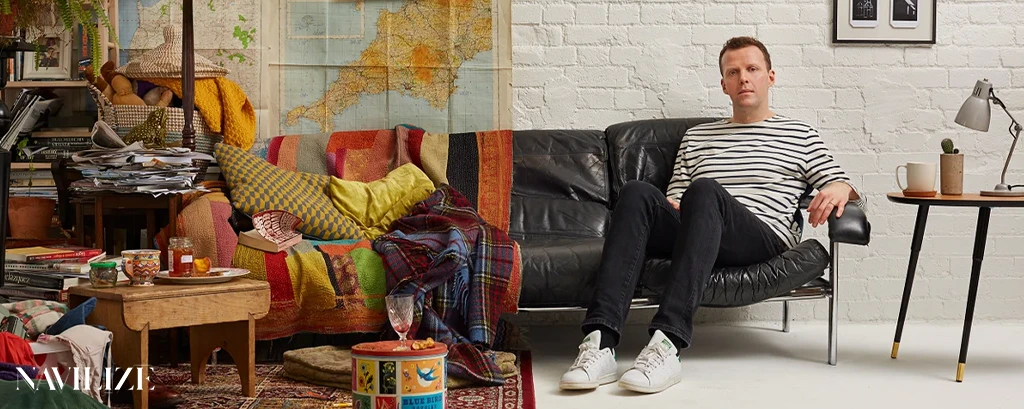
Within interior design trends for 2026, vintage revival is returning with a curated, intentional approach that blends nostalgic charm with modern sensibility. Instead of themed retro rooms, designers now incorporate select vintage elements to add history, craftsmanship, and personality. This trend celebrates authenticity, pieces with real character, natural patina, and timeless silhouettes. When paired with modern neutrals and clean lines, vintage accents create rich, layered interiors that feel unique rather than cluttered. The key is balance: mixing old and new thoughtfully to achieve warmth, soul, and a lived-in elegance that enhances contemporary living spaces.
70s Pieces, Heritage Furniture
Seventies-inspired pieces and heritage furniture are major influences in interior design trends 2026, bringing warmth and sculptural beauty back into the home. Think curved forms, warm wood tones, textured fabrics, and iconic silhouettes from the era. Heritage furniture, crafted with durability and detail, adds depth and meaning to modern spaces. These pieces serve as anchors, grounding the interior with character and authenticity. When mixed with neutral palettes, modern lighting, and clean architecture, they create a sophisticated blend of past and present. This approach results in interiors that feel fresh, soulful, and visually rich without appearing overly retro.
How These Trends Fit San Diego Homes
San Diego’s relaxed coastal lifestyle blends naturally with interior design trends for 2026, creating the perfect setting for light-filled, modern homes. Elevated neutrals enhance natural sunlight, while organic shapes soften contemporary architecture. Vintage details add character without overwhelming open interiors, keeping spaces warm and inviting.
At Navilize, we design with this lifestyle in mind. By combining natural materials, earthy tones, and smart layouts, we create interiors that support indoor-outdoor living and flexible daily routines. The result is a home that feels calm, stylish, and deeply connected to San Diego’s coastal spirit.