Exploring different interior architecture styles is one of the most effective ways to transform your living space into something functional, elegant, and deeply personal. Whether you love the clean lines of modern minimalism, the warmth of rustic charm, or the timeless balance of contemporary design, each style brings its own character to a home. By thoughtfully combining materials, lighting, and spatial flow, these styles do more than change the look of a room; they elevate your daily living experience and create a space that truly feels like your own.
Modern Interior Architecture
source: vecteezy.com
Selecting the right design approach goes far beyond aesthetics; it directly influences how comfortable, functional, and harmonious your home feels. When you understand different types of interior architecture, you can create spaces that match your lifestyle, enhance daily routines, and reflect your personality. The right style ensures better use of space, smoother circulation, and a cohesive atmosphere that feels intentional rather than cluttered. Whether you prefer modern, classic, or eclectic designs, making an informed choice helps transform your home into a place that supports your well-being and expresses who you truly are.
Open Plans and Clean Geometry
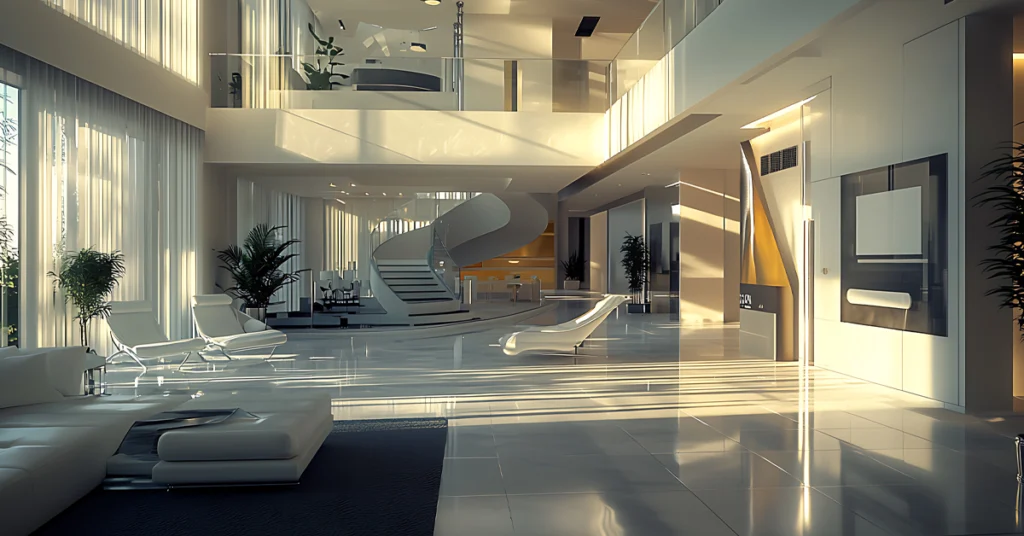
Open layouts and simple geometric lines are core principles of modern interior architecture, creating spaces that feel brighter, calmer, and more connected. By removing unnecessary walls and emphasizing clarity of form, this approach enhances natural light flow and encourages a seamless transition between rooms. Clean lines, precise proportions, and uncluttered surfaces make the space feel organized and efficient. Every element serves a purpose, with no visual noise or excess decoration. The result is a minimalist, harmonious environment that supports easy living and offers a refreshing sense of openness throughout the home.
Mediterranean & Spanish Revival
source: vecteezy.com
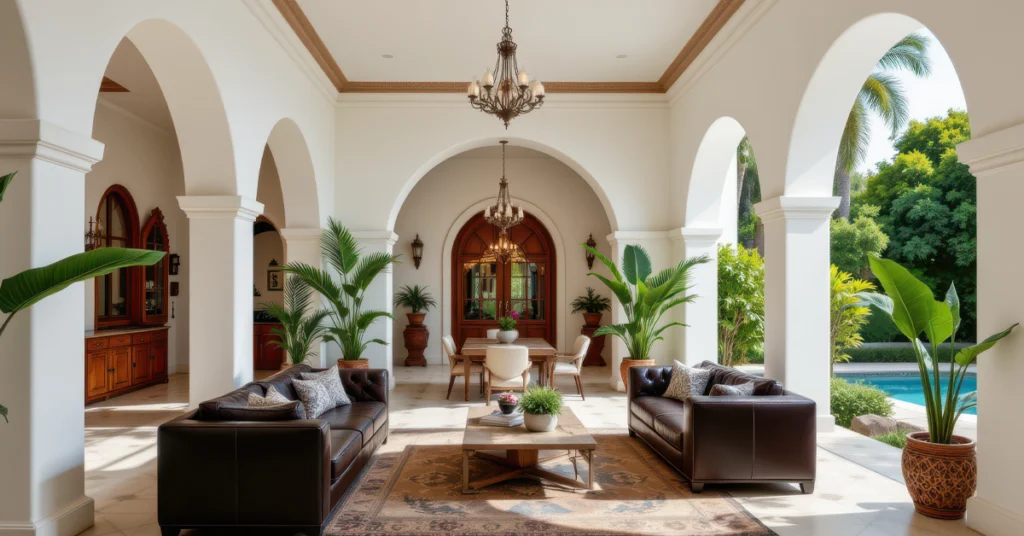
Mediterranean and Spanish Revival styles bring warmth, character, and timeless charm to a home through earthy materials, arched openings, textured walls, and handcrafted details. These styles emphasize natural light, warm neutrals, and rustic elegance inspired by coastal living. Their relaxed yet refined aesthetic makes them ideal for creating welcoming, soulful interiors. If you want to explore how these elements can elevate your space, visit our interior architecture page for a complete overview of design approaches and project possibilities. For other design inspirations, check out our blog on coastal styles.
Arches, Textures, Warm Materials
Mediterranean-inspired design embraces arches as a defining architectural feature, using curved openings to add softness and elegance to a space. Paired with rich textures, plastered walls, and warm natural materials like terracotta and wood, this style creates an inviting, sun-kissed atmosphere. Layered textiles, earthy tones, and handcrafted details enhance the sense of comfort and authenticity. The combination of organic surfaces and warm color palettes makes this approach perfect for anyone who wants their home to feel soulful, welcoming, and effortlessly timeless.
Mid-Century Modern
source: vecteezy.com
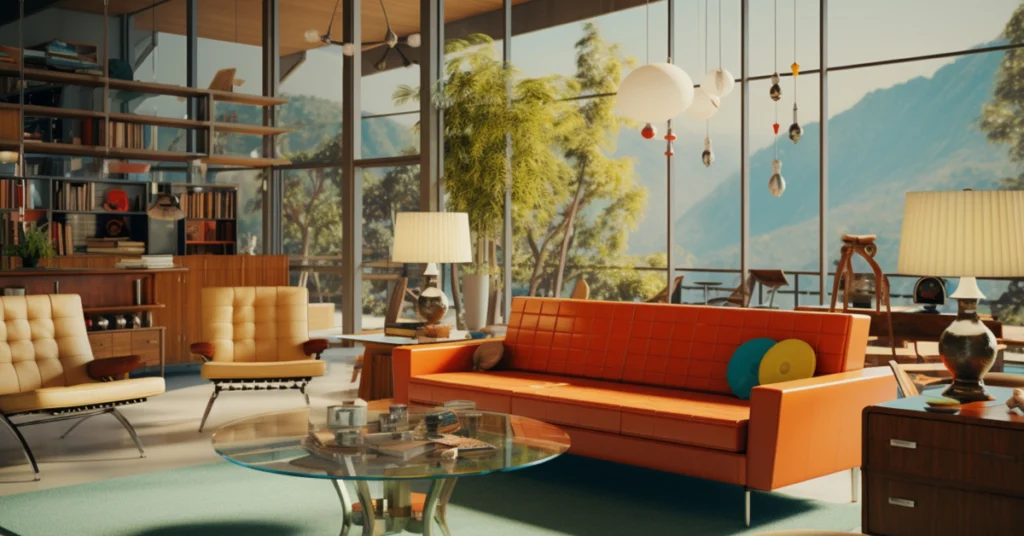
Mid-Century Modern style focuses on clarity, balance, and functionality, blending clean lines with subtle curves and practical layouts. Known for its iconic furniture, tapered legs, and open, airy rooms, Mid-Century Modern brings a sense of order without feeling cold. Natural wood tones, simple geometric forms, and minimal ornamentation define its aesthetic. This style works beautifully in contemporary homes, offering both visual simplicity and everyday comfort. It is ideal for those who appreciate thoughtful design, understated elegance, and timeless pieces that never go out of style.
Simplicity, Functionality, Organic Shapes
Rooted in calm, modern elegance, this style highlights organic shapes to create a soft, natural flow throughout the interior. Gentle curves, rounded edges, and nature-inspired silhouettes bring warmth and harmony to a space. Functionality remains key; every element serves a purpose while maintaining simplicity and visual balance. Natural materials like wood, linen, and stone contribute to an inviting atmosphere. This approach is perfect for people who value serene spaces, minimal visual clutter, and a design language that feels effortless, relaxed, and beautifully human.
Industrial Contemporary
source: vecteezy.com
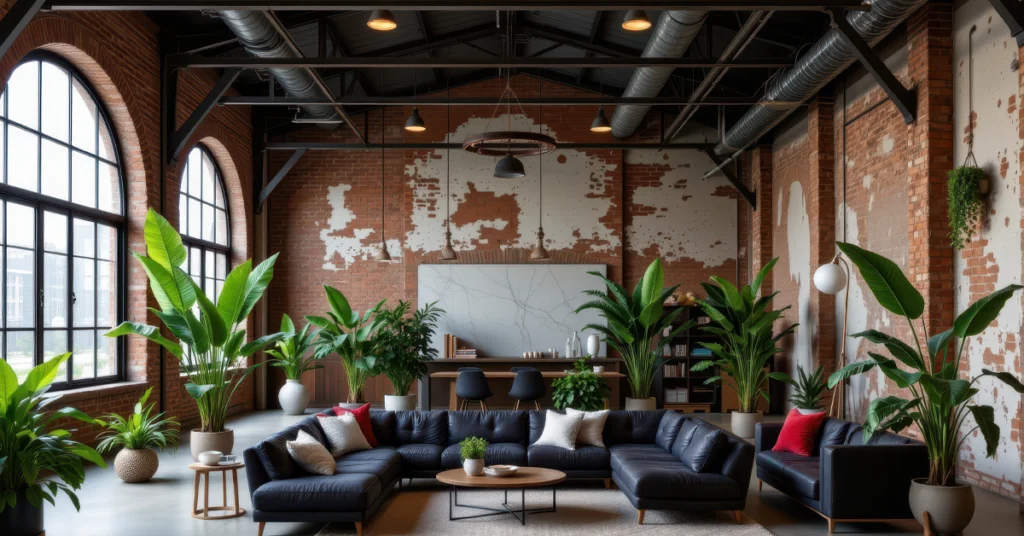
Industrial Contemporary blends urban boldness with modern refinement, using types of interior architecture that highlight raw materials and functional simplicity. Exposed beams, concrete surfaces, and metal accents create a confident, grounded atmosphere. Neutral palettes allow structural lines to shine, while layered lighting softens the overall look. This style bridges classic vs. modern styles, offering both character and sophistication. It is ideal for open-plan lofts, repurposed spaces, or anyone who wants interiors that feel expressive, architectural, and effortlessly stylish.
Mixed Textures, Exposed Finishes
This design approach celebrates the richness of modern interior architecture through bold contrasts and tactile materials. Pairing reclaimed wood with brushed metal, polished concrete with soft textiles, or exposed brick with clean geometry adds intentional depth. By highlighting structural honesty, these architectural interior elements create visually dynamic spaces with personality. Every texture tells a story, making the room feel authentic, layered, and contemporary. It is a perfect choice for those who appreciate raw beauty blended with thoughtful design harmony.
Japandi Minimalism
source: vecteezy.com
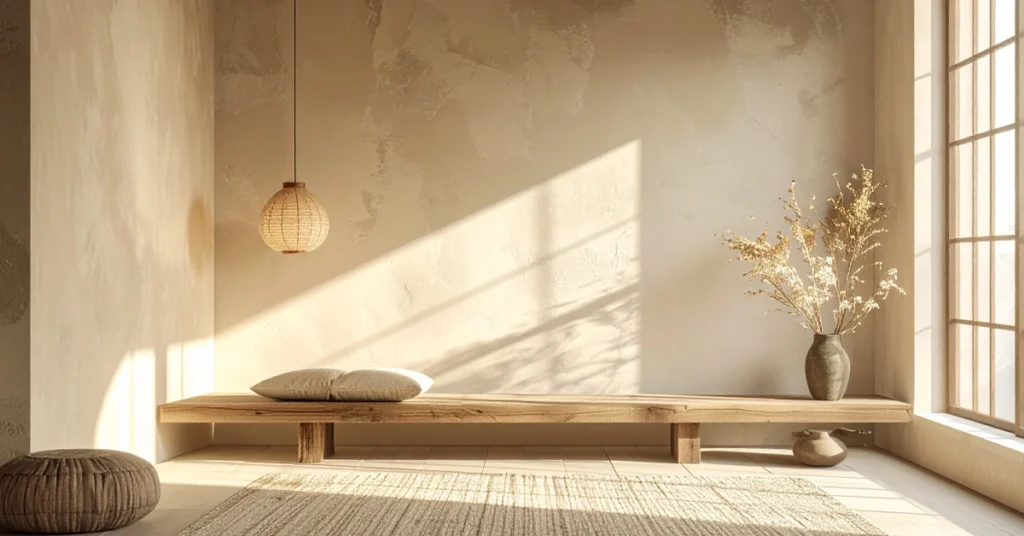
Japandi Minimalism blends Japanese serenity with Scandinavian warmth, a style increasingly embraced in San Diego interior architecture for its clean, calming presence. Minimal decoration, natural woods, organic forms, and softened neutral palettes define its gentle aesthetic. This approach focuses on functionality without sacrificing comfort, making it ideal for small homes or open, airy layouts. The result is a balanced environment that promotes clarity and mindful living; perfect for anyone seeking a peaceful, modern retreat.
Calmness + natural materials
Centered around tranquility, this style emphasizes calmness through light tones, soft textures, and natural materials like bamboo, linen, cotton, and warm oak. Sunlight becomes a design tool, creating subtle shadows and a soothing atmosphere. Each piece serves a purpose, avoiding clutter while enhancing harmony. Its balanced blend of subtle elegance and comfort aligns beautifully with evolving classic vs modern styles. Ideal for those seeking a restful, grounded home, this approach transforms everyday spaces into serene, intentional sanctuaries.
Transitional Architecture
source: vecteezy.com
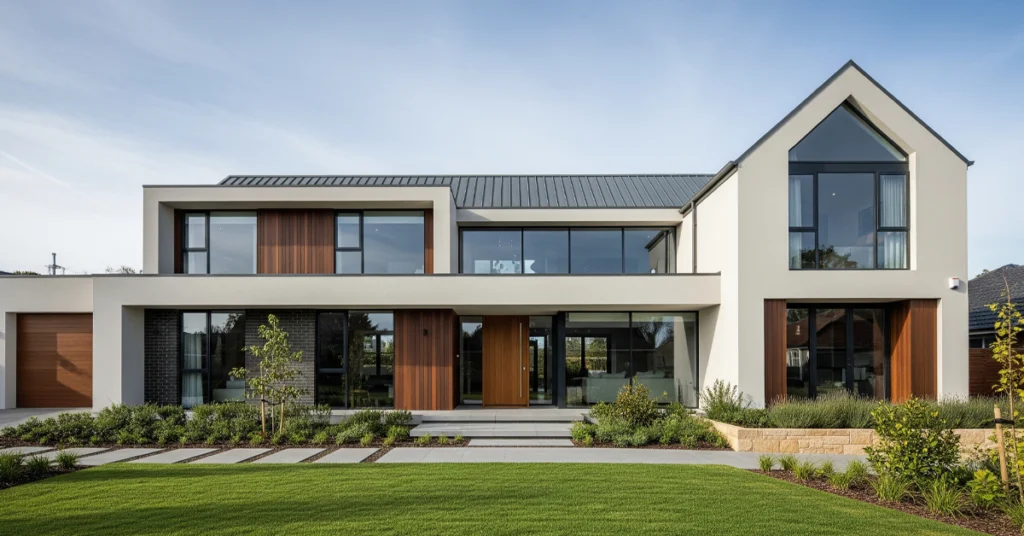
Transitional Architecture offers a balanced approach that merges traditional character with contemporary simplicity. By blending classic craftsmanship with modern lines, it creates spaces that feel both timeless and fresh. This style uses neutral palettes, elegant detailing, and curated textures to bridge the gap between past and present. As one of the most adaptable interior architecture styles, it suits a wide range of homes, from historic properties to new builds. Transitional design is ideal for anyone seeking harmony, sophistication, and a seamless mix of comfort and refinement.
Blending Old and New
Blending old and new is at the heart of transitional design, where vintage elements meet modern functionality. This approach highlights the charm of traditional architecture while introducing cleaner lines and updated materials. Pairing classic moldings with contemporary furniture or mixing warm wood with sleek metal creates visual balance and depth. The result is a space that feels layered yet cohesive. This thoughtful fusion makes transitional architecture one of the most versatile interior architecture styles, offering character without sacrificing modern comfort.
How to Choose the Right Style for Your Space

source: vecteezy.com
Choosing the right architectural direction begins with understanding your lifestyle, your home’s natural proportions, and the emotional atmosphere you want to create. Explore different interior architecture styles to see which ones align with your needs, whether you prefer minimalist calm, bold industrial edges, warm Mediterranean textures, or balanced transitional charm. Consider lighting, materials, and how you use each room. The best style is one that feels authentic, enhances functionality, and brings long-term comfort. When selected carefully, your space becomes both beautiful and deeply personal.
Architecture of San Diego Homes
San Diego homes often incorporate a mix of coastal influences, modern simplicity, and warm Mediterranean character. Many properties blend open layouts, natural light, and earthy materials to create relaxed yet sophisticated environments. Understanding these regional traits helps homeowners choose interior architecture styles that complement the climate and lifestyle, whether it is coastal contemporary, Spanish Revival, or modern minimalist. The city’s architecture encourages breezy, connected spaces that blur the line between indoors and outdoors, making design choices both functional and visually harmonious.
How Navilize Elevates Architecture Through Custom Design
Navilize enhances each project through thoughtful analysis, tailored concepts, and meticulous attention to detail. By exploring a wide range of interior architecture styles, the team crafts design solutions that reflect both the client’s vision and the home’s architectural character. From material selection to spatial flow and lighting strategies, every element is intentionally curated. Navilize prioritizes functionality, beauty, and long-term value, delivering spaces that feel cohesive and uniquely personalized. Through custom design, they transform ordinary interiors into elevated, meaningful environments.