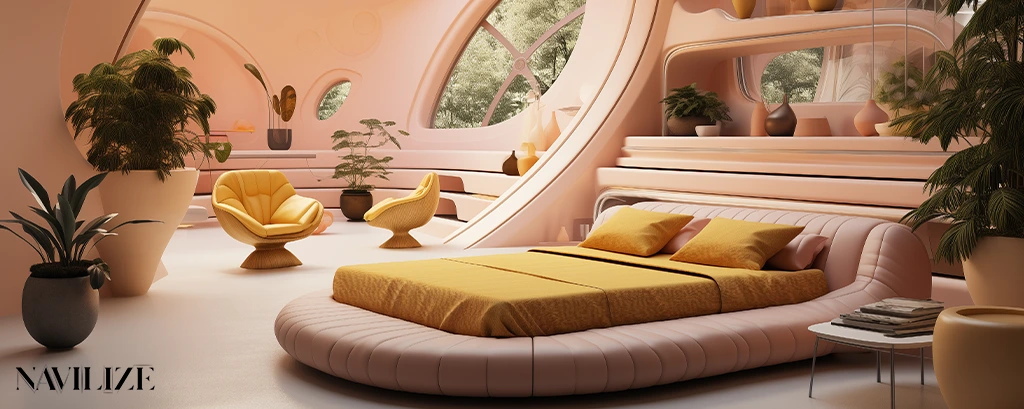
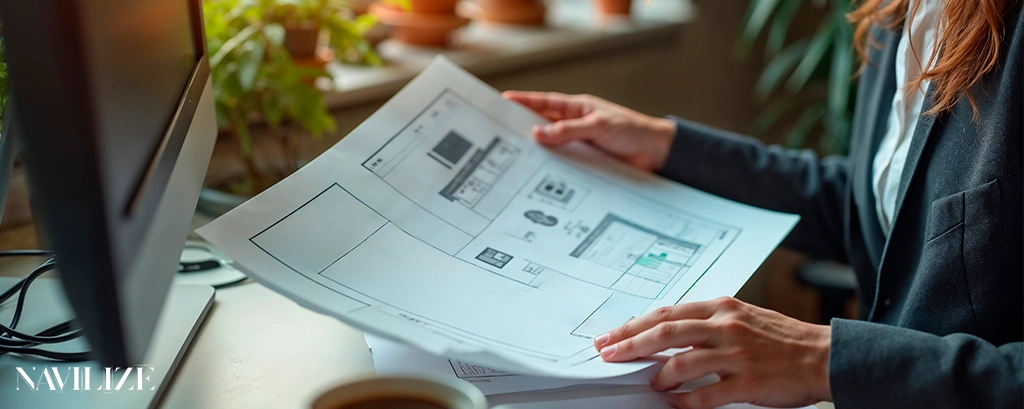
Instagram-perfect homes often look stunning in photos but fail to deliver a comfortable real-life experience. Many focus on bold colors, trendy furniture, and dramatic lighting that photographs well but lacks practicality. Poor seating comfort, insufficient storage, and awkward layouts quickly frustrate guests. This is why why Instagram homes fail real life has become a common discussion in short-term rentals. Design choices made only for visuals can ignore durability and daily use. When aesthetics outweigh function, guest satisfaction drops, reviews suffer, and bookings decline. Real success comes from balancing beauty with usability, not chasing likes alone.
The Illusion of Instagram Interiors
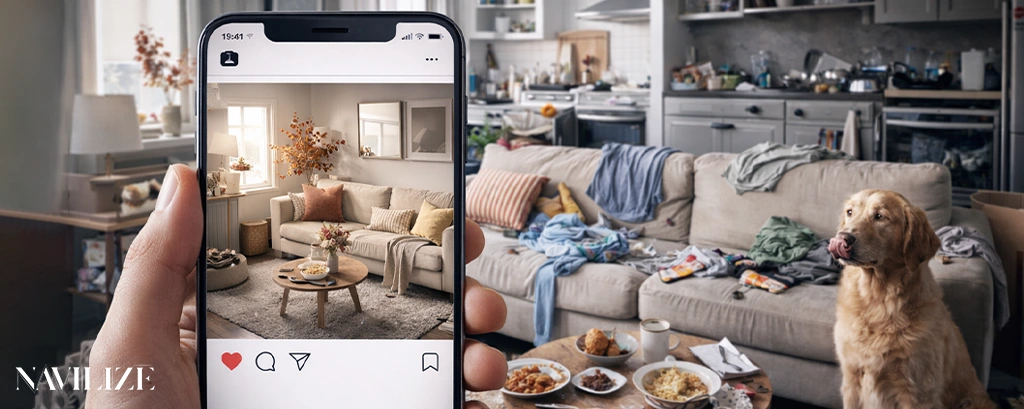
Instagram interiors often create a powerful first impression, but that impression can be misleading. Spaces designed only for photos may prioritize dramatic angles, bold decor, and artificial lighting over comfort and usability. In real life, these choices can feel overwhelming or impractical for everyday living. This is where the problem of Instagram interior fail becomes clear. Guests quickly notice uncomfortable furniture, poor lighting at night, and lack of functional storage. While these interiors may attract clicks, they often fail to support a pleasant stay. Sustainable design focuses on balance, not visual illusion alone.
Staged vs Lived-In Spaces
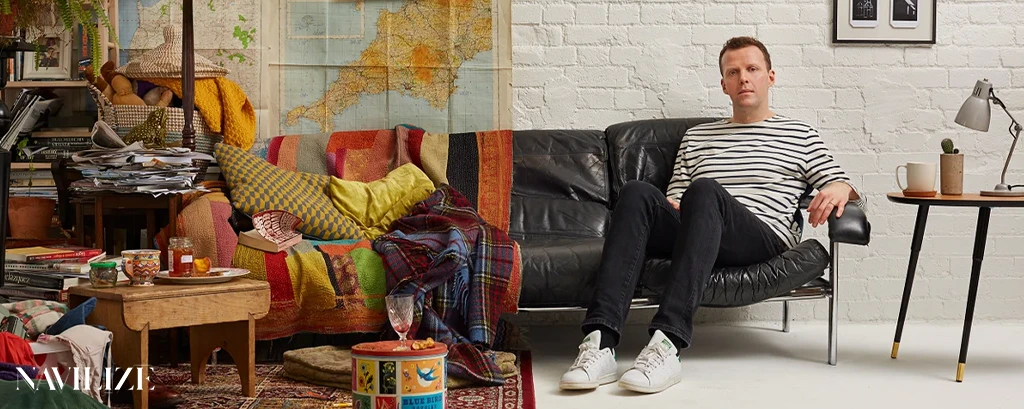
Staged spaces are designed to impress at first glance, while lived-in spaces are designed to support real daily use. Staging often relies on minimal props, perfect symmetry, and temporary setups that photograph well but do not translate into comfort. In contrast, lived-in design considers movement, storage, durability, and ease of use. Many hosts fall into interior design by copying staged interiors without adapting them for actual guests. The result is frustration, clutter, and poor reviews.
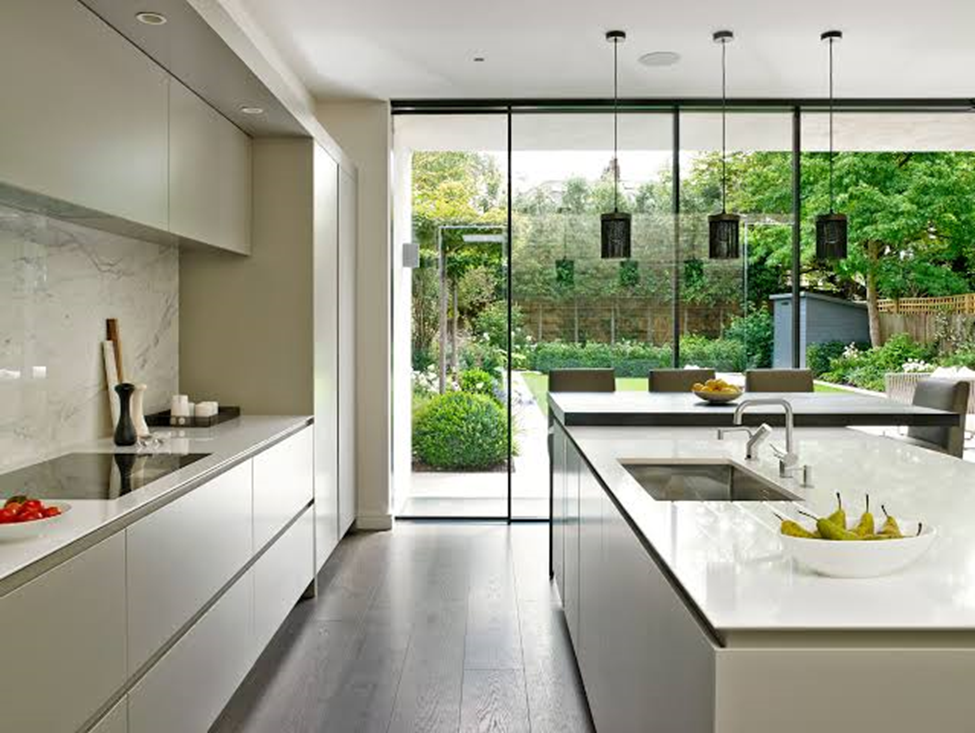
Photo Tricks & Reality
Photo tricks play a major role in shaping first impressions, but they often create unrealistic expectations. Wide-angle lenses exaggerate space, artificial lighting hides flaws, and curated angles remove everyday clutter. These techniques may boost clicks, yet they are a key reason why Instagram homes fail real life. Once guests arrive, the illusion fades and reality sets in. This gap between appearance and experience is a classic Instagram interior fail, where design serves the camera instead of people. True success comes from designing for people, not photos. Learn more about practical design thinking on Navilize.
Common Design Pitfalls
Many design mistakes stem from prioritizing visual impact over daily usability. Instagram-driven interiors often ignore how people move, sit, store items, or relax in a space. This creates tension between design vs instagram, where aesthetics overpower logic. These real life design pitfalls are not immediately visible in photos but become obvious during use. The obsession with visual perfection explains why Instagram homes fail real life, as guests expect comfort, not staged beauty. Recognizing these pitfalls early allows designers and hosts to shift toward function-first thinking and prevent costly mistakes that affect reviews and long-term performance.
Lack of Functionality
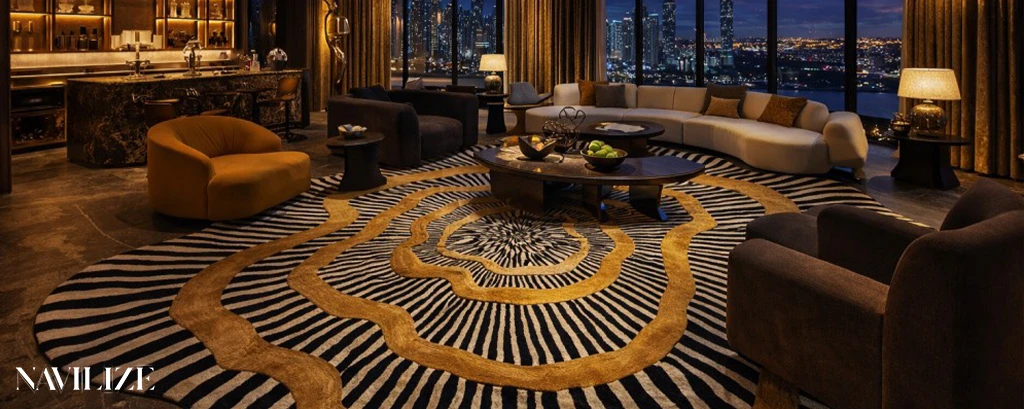
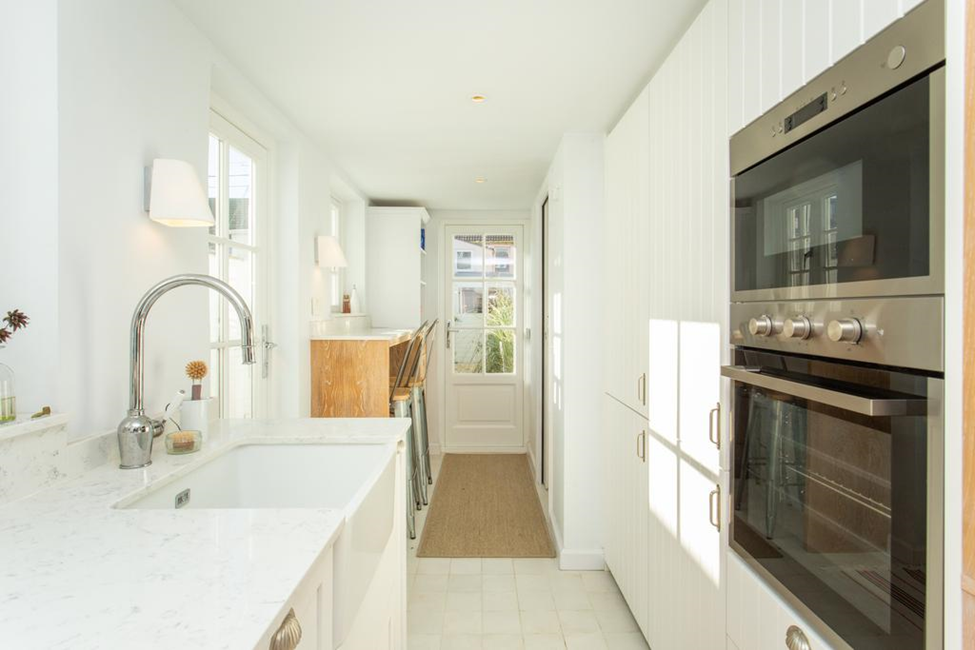
A lack of functionality is one of the most damaging mistakes in Instagram-inspired interiors. Furniture may look stylish but feel uncomfortable, lighting may be decorative but impractical, and storage is often sacrificed for minimalism. These choices quickly frustrate guests and lead to negative feedback. This is a common Instagram interior fail, where visual appeal masks poor usability. Such real life design pitfalls highlight the danger of focusing solely on appearance. This imbalance clearly shows why Instagram homes fail real life, as guests value ease and comfort far more than photogenic details during an actual stay.
Poor Day-to-Day Flow
Poor spatial flow is another hidden issue in staged interiors. Tight walkways, awkward furniture placement, and blocked access points may look fine in photos but disrupt everyday movement. These layouts ignore natural behavior and daily routines. This creates a strong design vs instagram conflict, where the space performs poorly despite looking attractive. Guests quickly notice these real life design pitfalls, leading to discomfort and dissatisfaction. This breakdown in usability is a major reason why Instagram homes fail real life. Good design should guide movement effortlessly, not force people to adapt to a staged setup.
Real Life First Principles
Real-life-first design starts with understanding how spaces are actually used. Instead of designing for likes and shares, it focuses on comfort, movement, and durability. This approach directly addresses why Instagram homes fail real life, shifting priorities away from illusion. By rejecting design vs instagram thinking, designers can eliminate many real life design pitfalls before they occur. Real-life principles ensure that aesthetics support function, not replace it. When design decisions are based on human behavior rather than visual trends, interiors perform better, feel more natural, and deliver long-term satisfaction for both guests and hosts.
Comfort Over Aesthetics
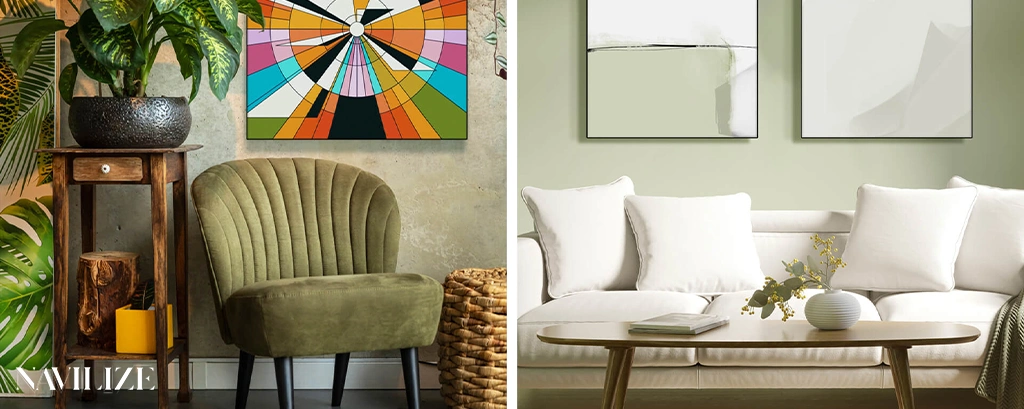
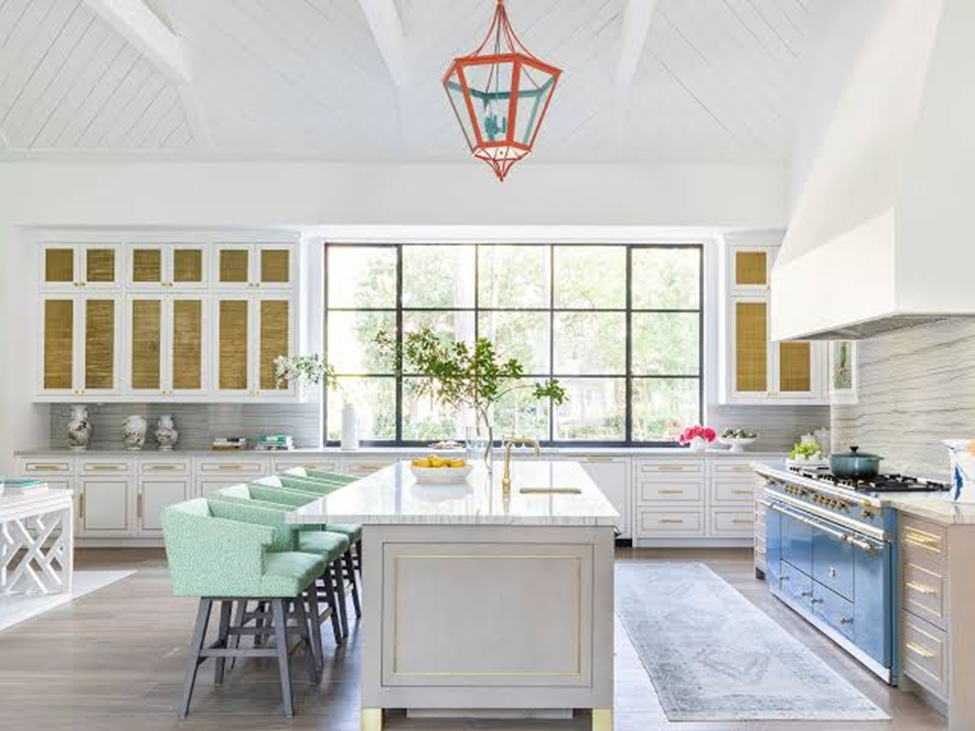
Comfort is the foundation of successful interior design, especially in real living environments. While bold visuals may attract attention online, guests remember how a space feels. Uncomfortable seating, harsh lighting, or poorly designed layouts turn beauty into frustration. This imbalance often leads to an Instagram interior fail, where style dominates experience. Prioritizing comfort helps avoid real life design pitfalls and explains why Instagram homes fail real life when they ignore basic human needs. True design success comes from creating spaces that support rest, ease, and well-being, not just visual impact.
Durability Matters
Durability is often overlooked because it does not photograph well, yet it is essential for real-world performance. Fragile furniture, delicate finishes, and trend-driven materials may look impressive online but fail quickly under daily use. These choices increase maintenance issues and guest complaints. This is another example of design vs instagram, where appearance outweighs practicality. Over time, these real life design pitfalls reveal why Instagram homes fail real life. Durable materials, easy-to-clean surfaces, and long-lasting furniture ensure that design remains functional and attractive beyond the camera lens.
How to Avoid Instagram Design Traps
Avoiding Instagram design traps requires a mindset shift from visual performance to real-life functionality. Designers should test spaces as users, considering movement, comfort, and daily routines. This approach prevents Instagram interior fail scenarios and reduces real life design pitfalls. Balancing aesthetics with usability resolves the design vs instagram conflict. When spaces are designed for people first, visuals naturally improve as a result. This strategy directly addresses why Instagram homes fail real life, replacing illusion with authenticity and creating interiors that succeed both online and offline.
Conclusion
Instagram-focused design often promises perfection but delivers disappointment. The repeated pattern of Instagram interior fail shows that visual appeal alone is not enough. By understanding real life design pitfalls and rejecting design vs instagram thinking, designers can create spaces that truly perform. The core lesson behind why Instagram homes fail real life is simple: homes are lived in, not photographed. Successful interiors balance beauty with comfort, flow, and durability, ensuring long-term satisfaction instead of short-lived visual attention.