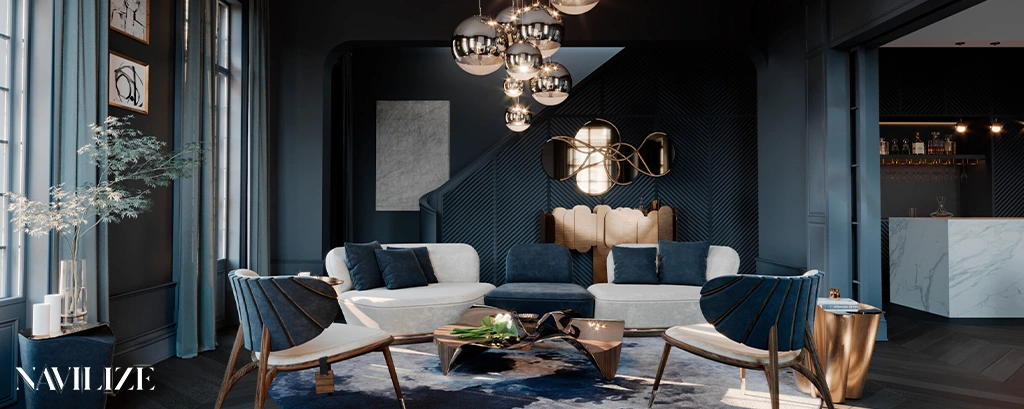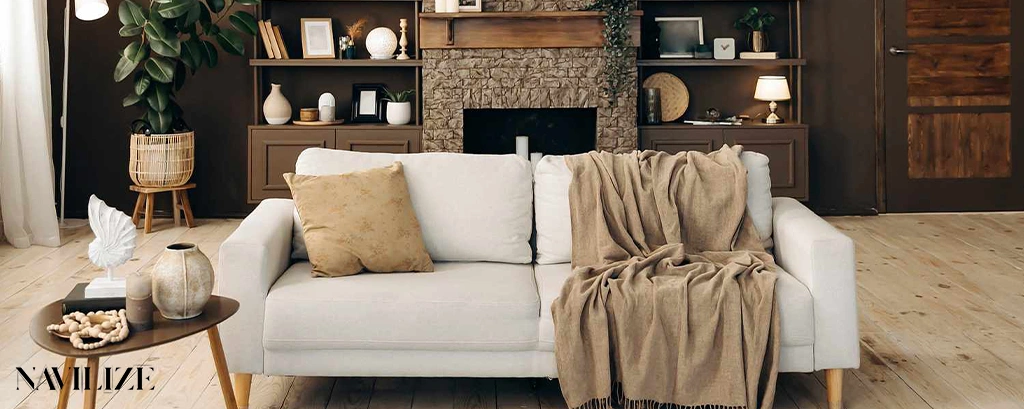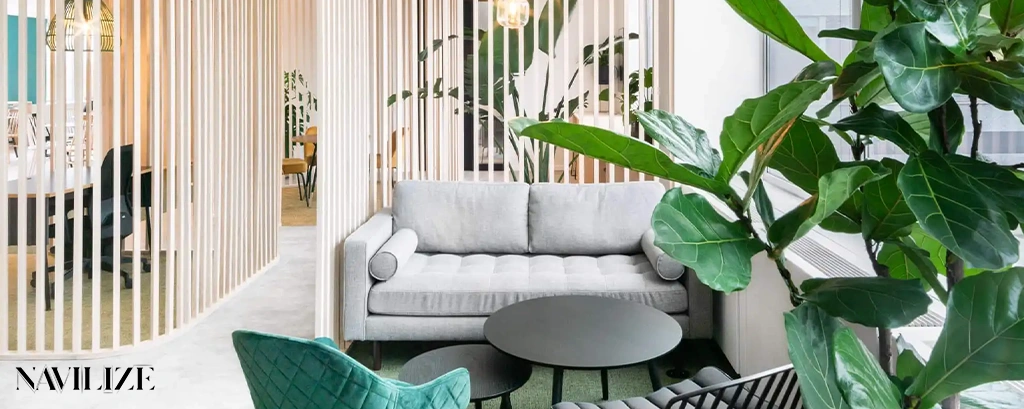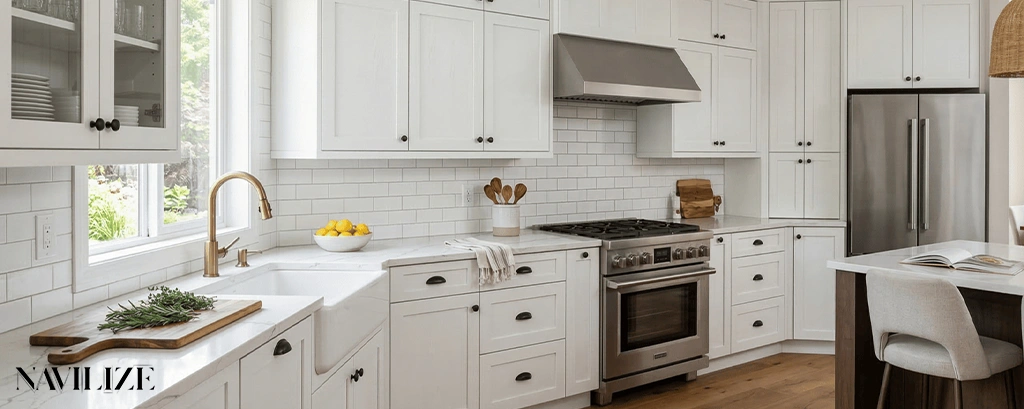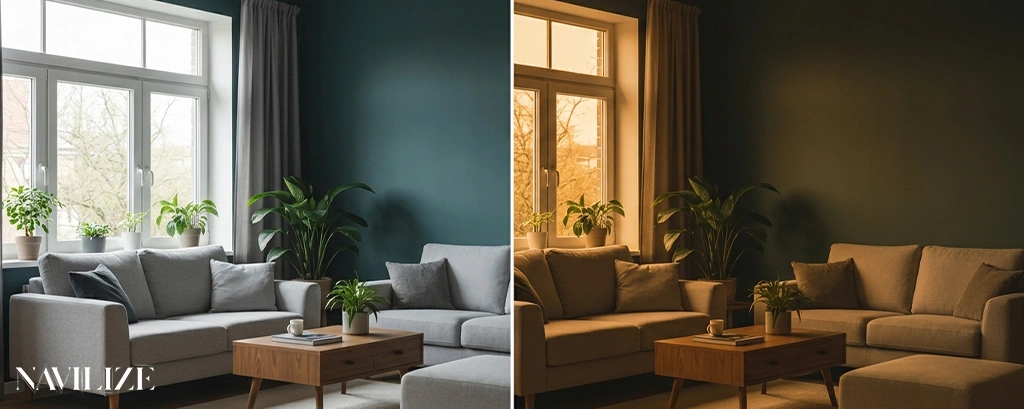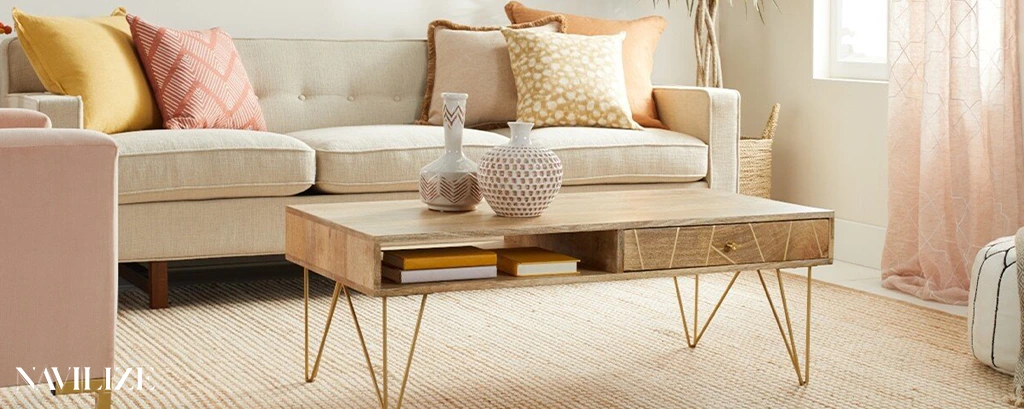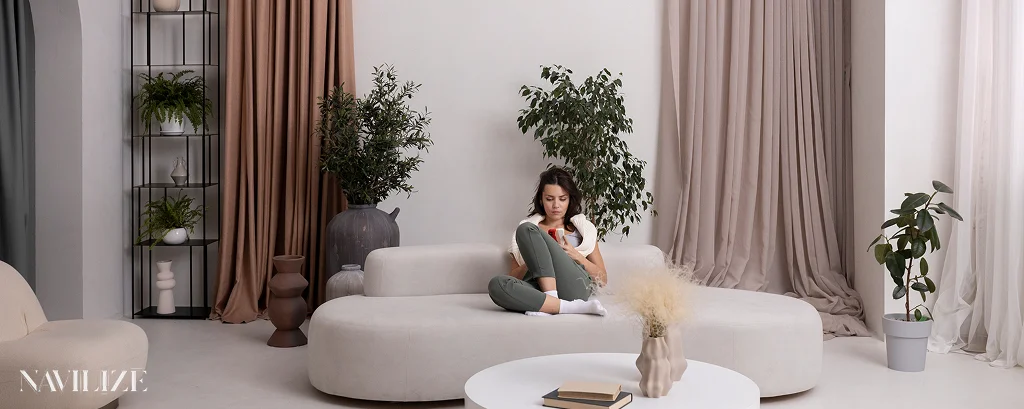
The idea of quiet luxury interiors 2026 revolves around elegance expressed through simplicity, natural materials, and subtle refinement rather than bold visual statements. Instead of flashy décor, this trend prioritizes craftsmanship, timeless forms, and calming palettes built around warm neutrals and soft earth tones. High-quality finishes, refined textures, and carefully selected pieces create homes that feel elevated yet effortless. Lighting becomes a core element, offering comfort and atmosphere without overpowering the room. In this approach, the home turns into a serene retreat where every detail feels intentional, understated, and refined. This is the true essence of luxury in 2026 calm, authentic, and deeply inviting.
What “Quiet Luxury” Really Means in 2026
source: vecteezy.com
In 2026, quiet luxury is defined by refined simplicity rather than showiness. It focuses on choosing pieces that age beautifully, prioritizing personal comfort, and designing spaces that feel calm, grounded, and natural. Soft neutrals, natural textures, and layered lighting replace loud décor trends. Every element serves a purpose, and nothing feels excessive. The home becomes a peaceful sanctuary where elegance is subtle, not attention seeking. For examples of how this approach looks in real spaces, explore our interior design philosophy.
What’s Actually Changing in Quiet Luxury for 2026?
While the core philosophy of quiet luxury remains rooted in timeless elegance, its expression is evolving. In 2024, the focus centered on neutral color palettes and minimalist aesthetics. During 2025, craftsmanship and artisanal furniture became defining characteristics. By 2026, quiet luxury extends beyond appearance, embracing wellness, sustainability, and sensory comfort as essential parts of luxury living.
Rather than simply creating visually beautiful interiors, designers are prioritizing spaces that support everyday well-being. Carefully layered lighting, natural materials, improved acoustics, healthier indoor air quality, and tactile surfaces are becoming just as important as aesthetics. This evolution reflects a broader lifestyle shift where luxury is measured by how a home feels, not only by how it looks.
The shift from showy design to subtle sophistication
The era of loud, attention-grabbing décor continues to fade as quiet luxury interiors 2026 embrace restrained elegance. Instead of bold shapes or vivid patterns, the focus shifts to meaningful materials and refined details. This reflects a growing desire for thoughtful living, where every object has intention. The luxury minimalism trend highlights sophistication through quality, balance, and emotional comfort. Homeowners no longer chase short-lived fads. They seek timeless beauty, layers of texture, and visual harmony. The result is a home that feels rich but never overwhelming, making subtle sophistication the modern expression of taste.
Why homeowners want calmer, richer spaces
Today’s homeowners want serenity, warmth, and emotional grounding. This is why quiet luxury home design has become increasingly desirable. People are choosing environments that help them recharge rather than overstimulate them. Instead of clutter or saturated colors, they prefer soft textures, layered neutrals, and thoughtfully placed lighting. Richness comes from depth, not excess, which is a core principle of elevated minimalism interiors. These interiors offer relaxation while maintaining a distinctly luxurious look. They reflect maturity and a desire for meaningful comfort rather than quick visual impact, making calm richness one of the most valued qualities in contemporary homes.
The Color Palette of 2026 Quiet Luxury

source: vecteezy.com
In 2026 interior design trends, color palettes become soft, warm, and soothing. Warm neutrals, muted taupe, mineral greens, and earthy tones create a grounded foundation that aligns perfectly with quiet luxury interiors 2026. These shades feel timeless and elegant, offering depth without visual noise. The warm neutral palette design pairs beautifully with layered materials such as linen, silk, textured stone, and brushed wood. Mineral tones add natural calmness, while soft earth shades bring gentle contrast. Together, these colors create an inviting, balanced atmosphere suitable for living rooms, bedrooms, and formal spaces where quiet luxury thrives.
Warm neutrals, mineral tones, and soft earth hues
Warm neutrals, mineral tones, and soft earth hues will shape the look of quiet luxury interiors in 2026. These calming, grounded colors such as warm beige, clay browns, mineral greys, and muted taupes create a sophisticated base that feels effortless and elevated. Paired with natural textures and premium materials, this palette enhances the luxury minimalism trend while keeping spaces serene, refined, and timeless.
Sandstone beige, mushroom gray, mineral green, oyster white
This curated palette defines modern luxury. Sandstone beige adds warmth, mushroom gray introduces sophisticated depth, mineral green brings an organic touch, and oyster white keeps spaces bright yet serene. These hues fit perfectly within quiet luxury home design because they provide richness without overwhelming the room. In the context of 2026 interior design trends, they pair beautifully with textured fabrics and natural materials. Their understated elegance makes them ideal for bedrooms, lounges, and dining areas where timeless style is essential.
Lighting Becomes the New Luxury Statement
Lighting has become one of the most influential elements of quiet luxury interiors in 2026. Instead of relying on decorative fixtures alone, designers focus on creating layered lighting schemes that enhance mood and comfort throughout the day.
Ambient lighting establishes a soft foundation, task lighting improves functionality, and accent lighting highlights architectural features or carefully selected décor. Hidden LED strips, wall washing, recessed lighting, and warm 2700K light temperatures create a calming atmosphere while reducing visual fatigue.
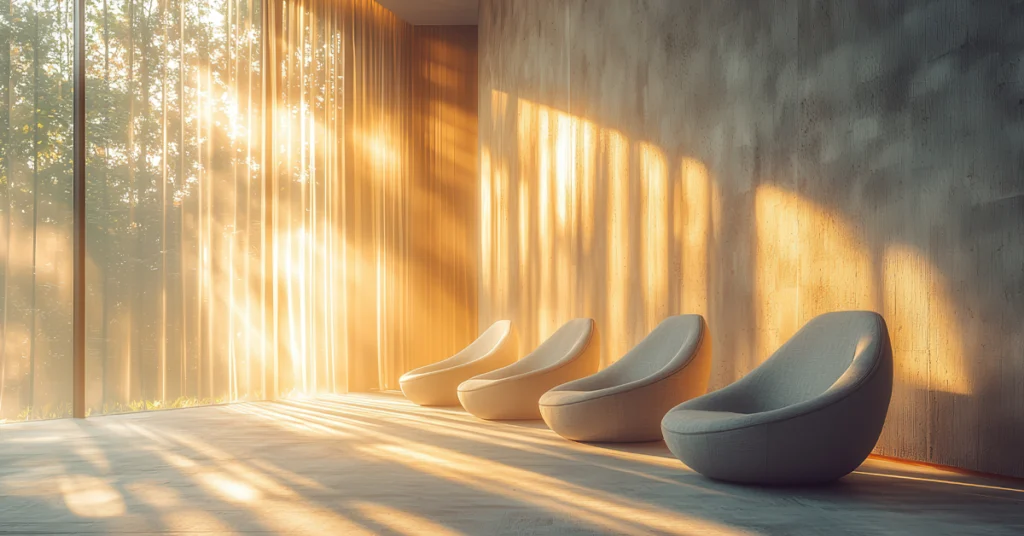
Natural daylight is equally important. Large windows, sheer curtains, and reflective natural materials maximize daylight without introducing glare. Rather than making lighting noticeable, quiet luxury uses it to shape emotion and create a peaceful living experience.
Materials That Define Quiet Luxury in 2026
source: vecteezy.com
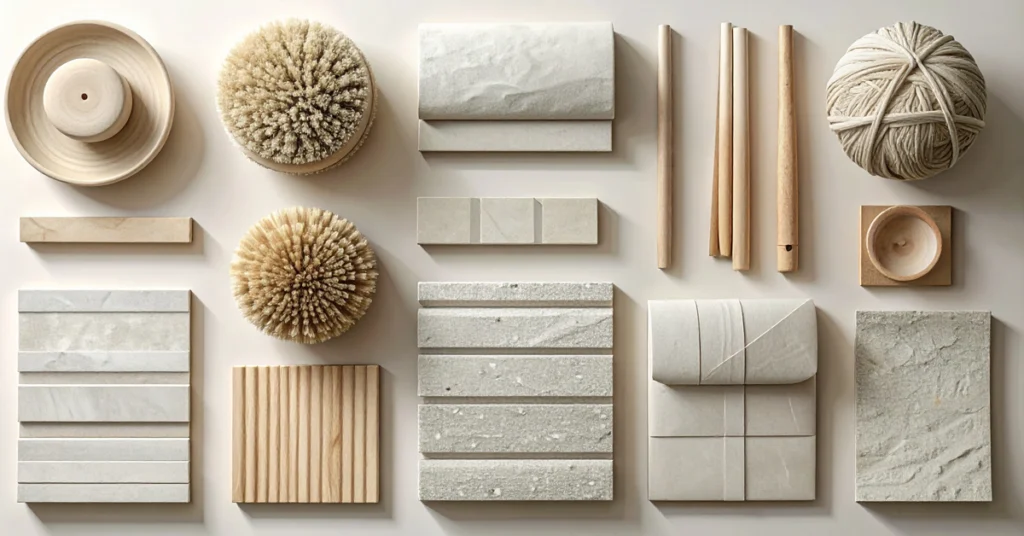
The foundation of luxury materials interior design lies in natural finishes that mature gracefully. Soft-veined marble, light travertine, and honed limestone are signature elements of quiet luxury interiors 2026. These stones add texture without visual clutter and bring a sense of permanence and calm. Their organic patterns introduce depth while maintaining the refined simplicity that characterizes the luxury minimalism trend. When combined with warm woods, brushed metals, and soft textiles, natural stone enhances comfort and sophistication. This balance supports elevated minimalism interiors, creating a luxurious yet grounded atmosphere throughout the home.
Natural stone with soft veining
Natural stone with soft veining is a cornerstone of quiet luxury interiors 2026. Materials like marble, travertine, and honed limestone bring subtle texture and depth without overwhelming a space. The gentle veins add visual interest while maintaining a calm, elevated aesthetic, perfectly complementing warm neutrals and soft earth hues. Combined with luxury materials interior design and elevated minimalism interiors, soft-veined stone creates a timeless, serene, and refined atmosphere that defines quiet luxury home design.
Matte finishes instead of glossy surfaces
Matte finishes are becoming a defining feature of quiet luxury interiors 2026. Unlike glossy surfaces that reflect light sharply and feel flashy, matte textures offer softness, depth, and understated elegance. They allow materials to express themselves quietly, supporting the aesthetic of the luxury minimalism trend. Matte metal hardware, brushed stone, and gently textured woods feel refined and calm. These finishes also reduce visual noise, helping a space feel balanced and high-end without unnecessary shine. Designers favor matte surfaces for their longevity and effortless elegance.
Linen, boucle, and textured natural fabrics
Rich, tactile textiles are essential for elevated minimalism interiors because they add comfort without introducing clutter. Linen, boucle, wool blends, and other natural fabrics create warmth and a grounded atmosphere in quiet luxury home design. These materials provide depth through texture rather than pattern. They pair beautifully with neutral palettes, sculptural furniture, and natural stone surfaces. In 2026, interiors focus more on sensory experience how materials feel, not only how they look. These fabrics also enhance acoustics and warmth, creating rooms that feel layered, serene, and highly inviting.
Emerging Materials Designers Are Using in 2026
Beyond marble and travertine, designers are increasingly incorporating materials that feel authentic and naturally imperfect. Limewash walls introduce soft movement through subtle tonal variation, while clay plaster creates breathable surfaces with rich tactile depth.
Smoked oak and natural white oak remain among the most desirable wood finishes because they age gracefully and complement warm neutral palettes. Fluted wood panels add architectural texture without excessive ornamentation, while brushed brass and naturally aged bronze introduce warmth without appearing overly polished. These materials reinforce the understated sophistication that defines quiet luxury interiors.
Sustainable Materials Shape Modern Luxury
Sustainability is no longer considered a separate design trend. In 2026, it has become a defining characteristic of premium interiors. Quiet luxury emphasizes fewer but higher-quality materials that are designed to last for decades instead of following rapidly changing trends.
Designers increasingly specify FSC-certified wood, recycled natural stone, low-VOC finishes, natural clay plaster, limewash walls, handmade ceramics, and responsibly sourced fabrics. These materials not only reduce environmental impact but also develop a richer appearance over time, reinforcing the timeless nature of quiet luxury.
Choosing durable craftsmanship over disposable décor allows homeowners to create interiors that remain elegant while supporting a more sustainable lifestyle.
Furniture & Styling in the Quiet Luxury Movement
source: vecteezy.com
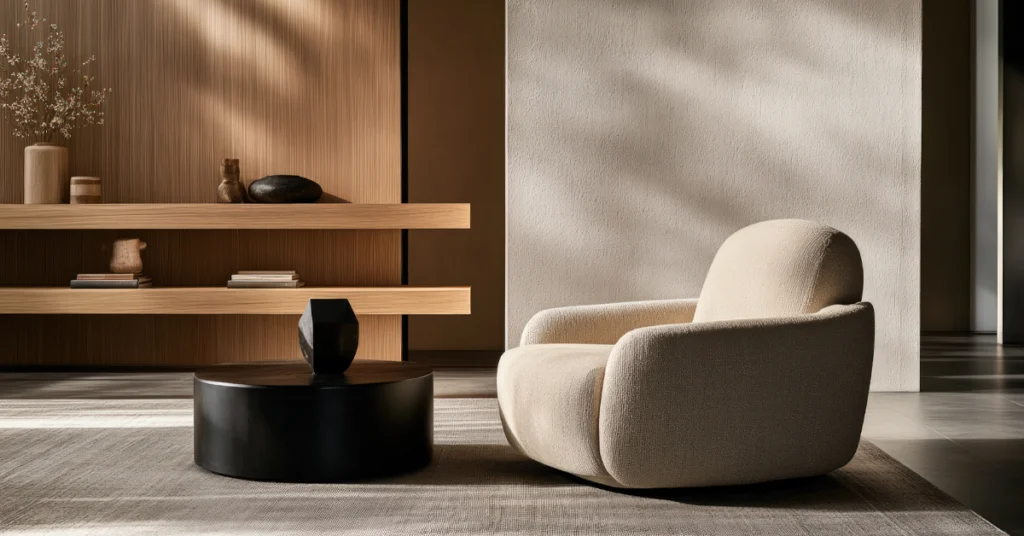
Furniture and styling in the quiet luxury movement focus on comfort, subtle sophistication, and timeless appeal. Curved sofas, deep seating, and sculptural silhouettes create visual interest without clutter, aligning with elevated minimalism interiors. Warm neutral palettes, soft textiles, and natural materials enhance the serene and refined atmosphere. Thoughtful styling emphasizes quality over quantity, ensuring each piece contributes to a calm, luxurious, and intentionally curated space that defines quiet luxury home design in 2026.
Curves, deep seats, and sculptural silhouettes
Furniture in quiet luxury interiors 2026 embraces comfort and sculptural form. Curved sofas, deep lounge chairs, and organically shaped seating soften the strict lines of minimalism while adding visual interest. These shapes pair naturally with the warm neutral palette design, offering elegance without visual noise. Sculptural silhouettes act as focal points without adding clutter, giving rooms a relaxed yet refined character. Comfort remains central furnishings encourage lounging, conversation, and slow living. This approach results in interiors that feel curated, timeless, and quietly opulent.
Layering textures for richness without clutter
Quiet luxury achieves richness through thoughtful layering rather than excess. Designers combine soft textiles, natural stone, fine woods, and matte metals to build depth without overwhelming the room. This method reflects elevated minimalism interiors where quality replaces quantity. Layering allows visual and emotional warmth while keeping sightlines calm and organized. A linen sofa with a wool throw, a sculptural table, and warm lighting can create atmosphere with only a few pieces. Instead of filling spaces, the goal is to curate them. This approach is central to quiet luxury home design, producing interiors that feel timeless and deeply inviting.
Wellness-Centered Interior Design
One of the biggest shifts in quiet luxury interiors for 2026 is the growing emphasis on wellness. Luxury is increasingly defined by how a home supports physical comfort, emotional well-being, and everyday routines rather than by decorative excess.
Natural ventilation, abundant daylight, acoustic comfort, biophilic design, and healthier indoor materials all contribute to creating restorative environments. Organic textures, calming color palettes, and clutter-free layouts help reduce visual stress while encouraging relaxation.
This wellness-first philosophy transforms quiet luxury from a purely aesthetic style into a holistic approach to modern living.
How to Bring Quiet Luxury into Your Home in 2026
source: vecteezy.com
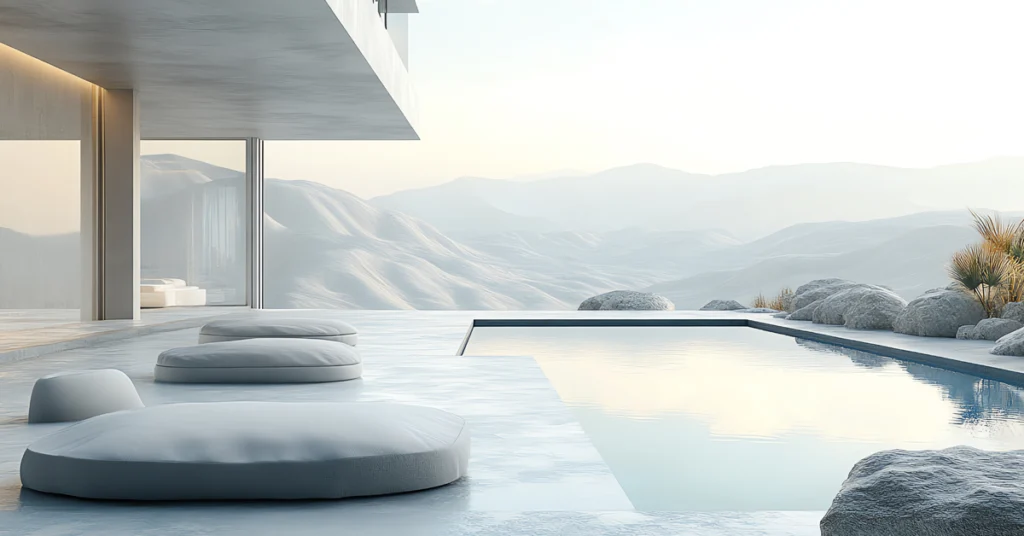
Bringing quiet luxury into your home in 2026 starts with choosing quality over quantity and focusing on subtle, intentional design. Incorporate warm neutrals, mineral tones, and soft earth hues as a calming foundation. Select natural materials with soft textures, such as stone, wood, and linen, to add depth and sophistication. Embrace elevated minimalism interiors by editing clutter, layering textures thoughtfully, and curating furniture and décor that feel timeless and refined. By prioritizing comfort, craftsmanship, and understated elegance, you can create a serene and luxurious space that truly reflects the quiet luxury home design trend.
Common Mistakes That Ruin Quiet Luxury Interiors
Quiet luxury is often misunderstood as simply decorating with beige colors or removing decorative objects. In reality, the style depends on balance, proportion, and material quality rather than minimal decoration alone.
Some of the most common mistakes include using inexpensive materials that imitate premium finishes, relying on excessive monochromatic palettes without texture, overusing decorative accessories, and neglecting layered lighting.
Successful quiet luxury interiors achieve richness through craftsmanship, thoughtful composition, and carefully curated details instead of visual excess.
Investment pieces vs trend pieces
The most effective way to express quiet luxury interiors 2026 is to prioritize investment pieces. These include timeless sofas, artisan lighting, crafted woodwork, or durable stone surfaces. Trend accessories should remain minimal and replaceable. This approach balances beauty with practicality and enhances the luxury minimalism trend. When a space includes a few exceptional foundational pieces, it naturally feels elevated even with a minimalist layout. Investment items also age gracefully, making them sustainable long-term choices. The result is a curated home that feels luxurious without constant updates.
Editing, simplifying, and refining spaces
Quiet luxury is defined as much by what is removed as by what is added. Editing a room removing unnecessary objects reveals what truly matters. This matches the philosophy of elevated minimalism interiors, which prioritizes intention over volume. Refining a space means improving texture, lighting, and quality rather than adding more décor. Decluttering enhances the impact of the warm neutral palette design and helps the home feel serene and intentional. With fewer distractions, comfort and elegance become more noticeable. Simplification transforms a home into a sanctuary that supports emotional well-being as well as style.
Is Quiet Luxury a Long-Term Style or Another Trend?
source: vecteezy.com
Quiet luxury is widely seen as a long-term style rather than a passing trend. Its focus on timeless materials, subtle elegance, and elevated minimalism interiors ensures that spaces remain sophisticated and relevant for years. By prioritizing quality, natural textures, and intentional design over flashy décor, quiet luxury home design adapts to changing tastes without losing its serene, refined character. In 2026 and beyond, this approach continues to resonate because it meets deeper emotional needs for comfort, calm, and authenticity, making it a lasting philosophy in interior design.
Quiet Luxury vs Minimalism
| Quiet Luxury | Traditional Minimalism |
|---|---|
| Warm neutral palette | Often cool neutrals |
| Rich layered textures | Limited texture |
| Comfort-focused | Function-focused |
| Natural materials | Industrial materials |
| Emotional atmosphere | Visual simplicity |
| Timeless craftsmanship | Reduction of decoration |
Although the two styles share an appreciation for simplicity, quiet luxury introduces greater warmth, texture, and emotional depth. Instead of removing elements simply to create minimal spaces, quiet luxury carefully curates materials, craftsmanship, and comfort to create interiors that feel both sophisticated and welcoming.
How We Apply Quiet Luxury at Navilize
At Navilize, we see quiet luxury as more than a visual style. Our design approach focuses on creating spaces that balance timeless aesthetics with everyday functionality. Rather than relying on short-lived trends, we prioritize natural materials, layered lighting, and carefully considered layouts that continue to feel comfortable and relevant over time.
Through our residential design projects, we’ve found that clients increasingly value calm, tactile environments that support modern living while maintaining a refined, understated character. This practical experience reinforces our belief that true luxury lies in thoughtful design decisions that enhance how people live every day.
Conclusion
Quiet luxury has evolved far beyond a design trend. In 2026, it represents a lifestyle built around intentional living, timeless craftsmanship, and everyday well-being. Instead of pursuing visual excess, homeowners are investing in natural materials, thoughtful lighting, refined textures, and carefully curated spaces that improve daily life.
As sustainability, wellness, and sensory comfort continue to shape modern interior design, quiet luxury remains one of the most enduring design philosophies. By prioritizing authenticity over decoration and quality over quantity, it creates homes that feel calm, elegant, and effortlessly sophisticated for years to come.
Frequently Asked Questions
Is quiet luxury still in style in 2026?
Absolutely. Rather than fading, quiet luxury continues to evolve by integrating wellness, sustainability, and timeless craftsmanship into residential design.
What colors define quiet luxury interiors?
Warm beige, mushroom gray, oyster white, mineral green, soft taupe, clay brown, and muted earth tones remain the defining palette of quiet luxury.
Is quiet luxury expensive?
Not necessarily. The philosophy encourages buying fewer high-quality pieces instead of constantly replacing inexpensive furniture and décor.
Can quiet luxury work in small apartments?
Yes. Neutral palettes, layered lighting, natural materials, and carefully selected furniture help even compact spaces feel elegant and spacious.
Which materials best represent quiet luxury?
Natural stone, linen, boucle, solid oak, limewash walls, clay plaster, brushed brass, handmade ceramics, and textured wool fabrics.